Polyclonal Antibodies
FSP1/S100A4 Rabbit pAb - P26447
Item Number : CM0019867
Price varies based on specs and customizations
- Application
- WB, IF/ICC, IHC-P, ELISA
- Cross Reactivity
- Human, Mouse
- Protein Weight
- 12 kDa

Shipping:
Contact us to get shipping details Enjoy On-time Dispatch Guarantee.
Why Choose Us
Easy ordering process, quality products, and dedicated support for your business success.
Core Product Specifications and Parameters
| Parameter | Value |
|---|---|
| Product Name | FSP1/S100A4 Rabbit pAb |
| Remarks/Alias | 42A; 18A2; CAPL; FSP1; MTS1; P9KA; PEL98; FSP1/S100A4 |
| Species | Human |
| Gene ID (Human) | 6275 |
| Gene ID | 6275 |
| Immunogen | Recombinant protein|Recombinant fusion protein containing a sequence corresponding to amino acids 1-101 of human FSP1/S100A4 (NP_002952.1). |
| Source | Rabbit |
| Category | Polyclonal Antibodies |
| Application | WB, IF/ICC, IHC-P, ELISA |
| Cross Reactivity | Human, Mouse |
| SWISS | P26447 |
| Protein Weight | 12 kDa |
| Shipping | Ice bag |
Biological Background: FSP1/S100A4 Function and Localization
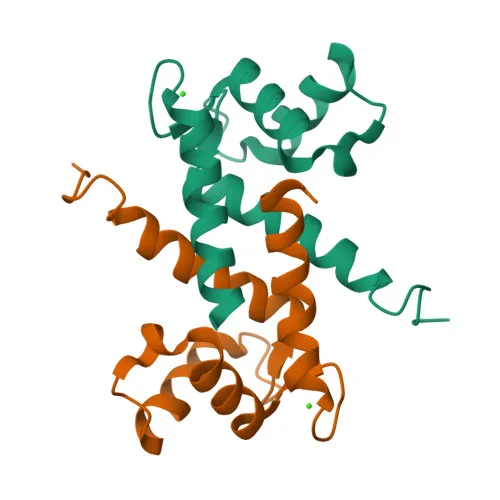
- Protein S100-A4 (FSP1, calvasculin, metastasin) is a calcium-binding protein of the S100 family that regulates cell motility, angiogenesis, differentiation, apoptosis, and autophagy. Related references: PMID:16707441 PMID:23752197 PMID:30713770
- It binds non-muscle myosin heavy chain IIA (MYH9), promoting filament depolymerization and increasing soluble myosin-IIA to facilitate stable protrusion formation during chemotaxis. Related references: PMID:16707441
- In the nucleus, S100A4 interacts with the C‑terminal transactivation domain of TP53, reducing TP53 protein levels and modulating its pro‑apoptotic function. Related references: PMID:23752197
- Extracellular S100A4 stimulates cytokine production from T‑lymphocytes (by similarity) and acts as a chemoattractant complex with PGLYRP1 to promote lymphocyte migration via CCR5 and CXCR3 receptors. Related references: PMID:26654597 PMID:30713770
- The protein is ubiquitously expressed across human tissues, consistent with its diverse roles in cell physiology and pathology.
- Subcellularly, S100A4 localizes to the cytoplasm, nucleus, and is secreted, reflecting its intracellular signaling and extracellular cytokine‑like activities.
- Post‑translational modifications include acetylation; it contains EF‑hand motifs that bind calcium and other metal ions, characteristic of the S100 family.
- The calculated molecular weight is 11.7 kDa (UniProt), but it often migrates at ~12 kDa in SDS‑PAGE due to modifications or electrophoresis conditions.
Experimental Guidance and Technical Tips
- The immunogen covers the full‑length protein (amino acids 1–101), so this polyclonal antibody recognizes multiple epitopes, providing robust detection in denaturing and native conditions.
- For western blotting, use a high‑percentage gel (e.g., 15% SDS‑PAGE) to resolve the ~12 kDa band; validate transfer conditions for small proteins.
- This antibody is application‑tested for WB, IF/ICC, IHC‑P, and ELISA; optimize dilutions for each assay using relevant positive and negative controls.
- Cross‑reactivity is confirmed with human and mouse samples; when using other species, include appropriate controls and verify experimentally.
- In immunofluorescence and immunohistochemistry, anticipate cytoplasmic, nuclear, or secreted staining patterns depending on cell type and activation state.
CamelBio: Your One-Stop Sourcing Bridge
CamelBio partners with diagnostic manufacturers, research labs, and clinical teams to provide a seamless supply of IVD raw materials from concept to clinic. This anti‑FSP1/S100A4 antibody is part of our extensive cancer research portfolio, and we offer bulk ordering, custom development, and technical support to accelerate your assay development. Whether you need validated antibody pairs, ancillary reagents, or access to rare‑target raw materials, CamelBio is your trusted sourcing bridge.
REQUEST A QUOTE
Our professional team will reply to you within one business day. Please feel free to contact us!