Polyclonal Antibodies
FIP200 Rabbit pAb - Q8TDY2
Item Number : CM0015282
Price varies based on specs and customizations
- Application
- WB, IHC-P, ELISA
- Cross Reactivity
- Human, Mouse, Rat
- Protein Weight
- 183kDa

Shipping:
Contact us to get shipping details Enjoy On-time Dispatch Guarantee.
Why Choose Us
Easy ordering process, quality products, and dedicated support for your business success.
Core Product Specifications and Parameters
| Parameter | Value |
|---|---|
| Product Name | FIP200 Rabbit pAb |
| Remarks/Alias | CC1; ATG17; FIP200; PPP1R131 |
| Species | Human |
| GeneID (Human) | 9821 |
| GeneID | 9821 |
| Immunogen | Recombinant fusion protein containing a sequence corresponding to amino acids 1280-1400 of human FIP200 (NP_055596.3). |
| Source | Rabbit |
| Category | Polyclonal Antibodies |
| Application | WB, IHC-P, ELISA |
| Cross Reactivity | Human, Mouse, Rat |
| SWISS | Q8TDY2 |
| Protein Weight | 183kDa |
| Shipping | Ice bag |
Biological Background: RB1-inducible coiled-coil protein 1 Function and Localization
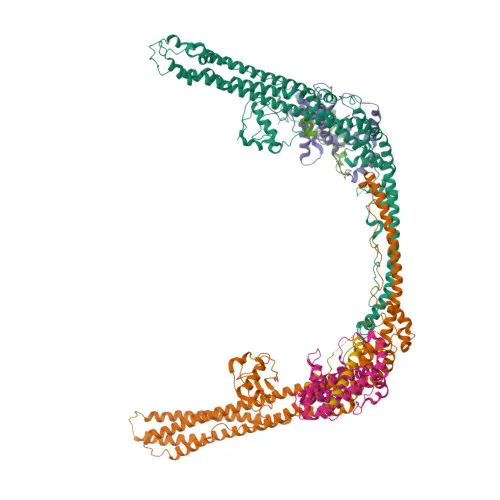
- RB1-inducible coiled-coil protein 1 (RB1CC1), also known as FIP200, is a 183 kDa scaffold protein characterized by coiled-coil domains.
- It serves as a key autophagy regulator, orchestrating autophagosome biogenesis through direct interaction with ATG16L1. Related references: PMID:21775823 PMID:23392225
- In innate immunity, FIP200 participates in xenophagy by targeting intracellular bacteria such as Salmonella.
- It suppresses FAK and PYK2 kinase activities, affecting cell migration and survival signals. Related references: PMID:10769033 PMID:12221124
- Acts as a transcription factor that upregulates RB1 expression, linking it to cell cycle control and tumor suppression. Related references: PMID:12095676 PMID:14533007
- It is required for myoblast differentiation and contributes to hematopoietic and neuronal development. Related references: PMID:12163359
- The protein shuttles between the nucleus and cytoplasm, localizes to preautophagosomal membranes and lysosomes, and is subject to alternative splicing and phosphorylation.
Experimental Guidance and Technical Tips
- The immunogen spans amino acids 1280–1400, a region predicted to be exposed; consider this when designing blocking peptides or confirming epitope specificity.
- For Western blot, a primary antibody dilution of 1:500–1:2000 may serve as a starting point, but optimal working concentration should be experimentally determined.
- For IHC-P, antigen retrieval using citrate buffer (pH 6.0) is often effective for large coiled-coil proteins; validate in appropriate control tissues.
- Verify cross-reactivity with mouse and rat samples, as sequence homology in the immunogen region may influence detection sensitivity.
- As a polyclonal antibody, it may recognize multiple isoforms or post-translationally modified forms; confirm specificity via siRNA knockdown or knockout cell lines.
CamelBio: Your One-Stop Sourcing Bridge
CamelBio supports diagnostic manufacturers and researchers with a comprehensive portfolio of IVD raw materials, including validated antibodies for autophagy and cell cycle targets like RB1CC1/FIP200. We offer bulk supply, custom antibody development, and technical consulting to accelerate your assay development from concept to clinic. Let CamelBio be your single partner for high-quality reagents and end-to-end sourcing solutions.
REQUEST A QUOTE
Our professional team will reply to you within one business day. Please feel free to contact us!