Polyclonal Antibodies
FHL1 Rabbit pAb for WB and ELISA - Q13642
Item Number : CM0024864
Price varies based on specs and customizations
- Application
- WB, ELISA
- Cross Reactivity
- Human, Mouse
- Protein Weight
- 36kDa

Shipping:
Contact us to get shipping details Enjoy On-time Dispatch Guarantee.
Why Choose Us
Easy ordering process, quality products, and dedicated support for your business success.
Core Product Specifications and Parameters
| Parameter | Value |
|---|---|
| Product Name | FHL1 Rabbit pAb |
| Remarks/Alias | KYOT; SLIM; FCMSU; FHL-1; FHL1A; FHL1B; FLH1A; SLIM1; XMPMA; RBMX1A; RBMX1B; SLIM-1; SLIMMER; FHL1 |
| Species | Human |
| GeneID | 2273 |
| Immunogen | Recombinant fusion protein containing a sequence corresponding to amino acids 27-296 of human FHL1 (NP_001153171.1) |
| Source | Rabbit |
| Category | Polyclonal Antibodies |
| Application | WB, ELISA |
| Cross Reactivity | Human, Mouse |
| SWISS | Q13642 |
| Protein Weight | 36kDa |
| Shipping | Ice bag |
Biological Background: FHL1 Function and Localization
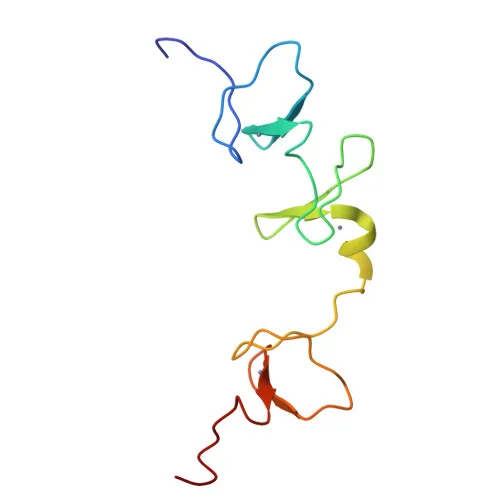
- FHL1 (Four and a half LIM domains protein 1), also known as SLIM or SLIMMER, is a member of the FHL family characterized by an N-terminal half LIM domain followed by four complete LIM domains.
- FHL1 is implicated in muscle development and hypertrophy, playing a regulatory role in skeletal muscle growth and differentiation.
- It localizes to the cytoplasm, nucleus, and cytosol, suggesting dynamic shuttling that may link cytoskeletal signaling to transcriptional regulation.
- Isoform 1 is predominantly expressed in skeletal muscle, with lower levels in heart, placenta, and other tissues; isoforms 2 and 3 show more restricted patterns including brain and testis.
- The LIM domains coordinate zinc ions, enabling protein-protein interactions critical for sarcomere assembly and signal transduction.
- Post-translational modifications include acetylation and ubiquitination, which may modulate protein stability and function.
- Mutations in FHL1 are associated with Emery-Dreifuss muscular dystrophy and other myopathies, highlighting its essential role in muscle integrity.
- Alternative splicing produces multiple isoforms, each with distinct tissue expression and presumably specialized functions.
Experimental Guidance and Technical Tips
- The immunogen corresponds to amino acids 27-296 of human FHL1, covering most of the protein; due to the polyclonal nature, the antibody may recognize multiple epitopes and isoforms.
- For Western blot, expect a band around 36 kDa; validate specificity using appropriate positive and negative controls, such as skeletal muscle lysate.
- Cross-reactivity with mouse is confirmed; researchers should verify antibody performance in their specific mouse tissue or cell line.
- ELISA applications should be optimized with the relevant antigen; the polyclonal antibody can serve as a capture or detection reagent after pairing validation.
- Not tested for IHC or ICC; use in these applications would require additional validation.
- Shipping on ice bag ensures stability; aliquot and store at -20°C upon arrival.
CamelBio: Your One-Stop Sourcing Bridge
CamelBio offers a comprehensive portfolio of IVD raw materials, including validated polyclonal and monoclonal antibodies like this anti-FHL1 antibody, supporting muscle disease research and diagnostic development. As a one-stop sourcing partner, we provide optimized antibody pairs, bulk ancillary reagents, and rare target raw-material procurement to accelerate your project from concept to clinic. Contact us to streamline your supply chain and ensure reliable, high-quality materials.
REQUEST A QUOTE
Our professional team will reply to you within one business day. Please feel free to contact us!