Polyclonal Antibodies
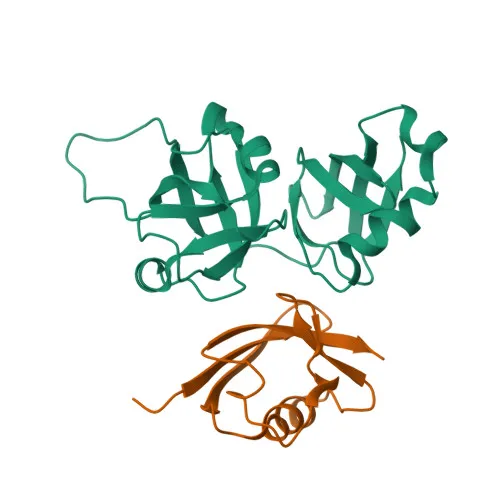
FAF1 Rabbit Polyclonal Antibody (WB/ELISA) - Q9UNN5
Item Number : CM0027020
Price varies based on specs and customizations
- Application
- WB, ELISA
- Cross Reactivity
- Human, Mouse, Rat
- Protein Weight
- 74kDa

Shipping:
Contact us to get shipping details Enjoy On-time Dispatch Guarantee.
Why Choose Us
Easy ordering process, quality products, and dedicated support for your business success.
Core Product Specifications and Parameters
| Parameter | Value |
|---|---|
| Product Name | FAF1 Rabbit pAb |
| Remarks/Alias | hFAF1; CGI-03; HFAF1s; UBXD12; UBXN3A; FAF1 |
| Species | Human |
| GeneID (Human) | 11124 |
| GeneID | 11124 |
| Immunogen | Recombinant protein|Recombinant fusion protein containing a sequence corresponding to amino acids 1-280 of human FAF1 (NP_008982.1). |
| Source | Rabbit |
| Category | Polyclonal Antibodies |
| Application | WB, ELISA |
| Cross Reactivity | Human, Mouse, Rat |
| SWISS | Q9UNN5 |
| Protein Weight | 74kDa |
| Shipping | Ice bag |
Biological Background: FAS-associated factor 1 Function and Localization
- FAF1 (FAS-associated factor 1) is a ubiquitin-binding protein that interacts with polyubiquitinated substrates through its UBX domain. Related references: PMID:19722279
- Plays a critical role in DNA replication by targeting the replication licensing factor CDT1 for ubiquitin-dependent degradation, ensuring proper replication fork progression. Related references: PMID:26842564
- Potentiates FAS-induced apoptosis, although it cannot initiate the apoptotic signal on its own.
- The gene undergoes alternative splicing, giving rise to multiple protein isoforms.
- Localizes predominantly to the nucleus, consistent with its role in DNA replication and apoptosis regulation.
- Is a phosphoprotein, indicating that its activity may be modulated by phosphorylation.
- Tissue expression is highest in testis, followed by skeletal muscle and heart, with lower levels in prostate, thymus, ovary, small intestine, and colon; it is not detected in peripheral blood leukocytes.
Experimental Guidance and Technical Tips
- The immunogen spans the N-terminal region (aa 1-280). For Western blot, consider running a positive control lysate (e.g., HeLa or testis tissue) and validate the observed band near 74 kDa.
- For ELISA, the polyclonal nature of the antibody may provide robust signal but should be titrated against the specific coating antigen.
- Cross-reactivity with mouse and rat has been indicated; validate detection in the relevant sample systems to confirm species-specific performance.
- Since FAF1 undergoes alternative splicing, multiple bands may appear; verify isoform specificity with appropriate controls.
CamelBio: Your One-Stop Sourcing Bridge
CamelBio offers comprehensive access to IVD raw materials, supporting diagnostic manufacturers and research labs with validated antibody pairs, bulk ancillary reagents, and custom monoclonal/polyclonal antibody development. For projects focused on apoptosis, DNA replication, or ubiquitin-pathway targets like FAF1, our platform streamlines procurement from concept to clinic, ensuring timely supply of rare-target raw materials.
REQUEST A QUOTE
Our professional team will reply to you within one business day. Please feel free to contact us!