Polyclonal Antibodies
EGFR Rabbit pAb for WB, IHC-P, IF/ICC, IP, ELISA - P00533
Item Number : CM0016303
Price varies based on specs and customizations
- Application
- WB, IHC-P, IF/ICC, IP, ELISA
- Cross Reactivity
- Human, Mouse, Rat
- Protein Weight
- 134kDa

Shipping:
Contact us to get shipping details Enjoy On-time Dispatch Guarantee.
Why Choose Us
Easy ordering process, quality products, and dedicated support for your business success.
Core Product Specifications and Parameters
| Parameter | Value |
|---|---|
| Product Name | EGFR Rabbit pAb |
| Remarks/Alias | ERBB; ERRP; HER1; mENA; ERBB1; PIG61; NISBD2; EGFR |
| Species | Human |
| GeneID (Human) | 1956 |
| GeneID | 1956 |
| Immunogen | Recombinant fusion protein containing a sequence corresponding to amino acids 1021-1210 of human EGFR (NP_005219.2). |
| Source | Rabbit |
| Category | Polyclonal Antibodies |
| Application | WB, IHC-P, IF/ICC, IP, ELISA |
| Cross Reactivity | Human, Mouse, Rat |
| SWISS | P00533 |
| Protein Weight | 134kDa |
| Shipping | Ice bag |
Biological Background: EGFR Function and Localization
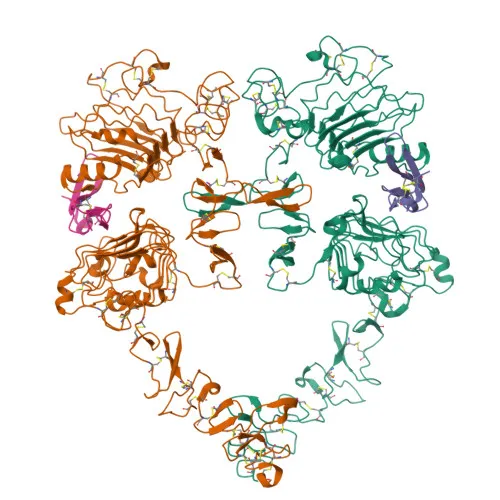
- EGFR is a receptor tyrosine kinase that binds EGF family ligands (e.g., EGF, TGFA, AREG, BTC, epiregulin, HBEGF) to regulate cell proliferation, survival, and differentiation. Related references: PMID:10805725, PMID:27153536, PMID:2790960
- Ligand binding induces receptor dimerization and autophosphorylation, activating downstream cascades including RAS-RAF-MEK-ERK, PI3K/AKT, PLCγ/PKC, STATs, and NF-κB pathways. Related references: PMID:27153536, PMID:11116146
- EGFR also phosphorylates non-receptor substrates such as RGS16 (modulating G-protein signaling) and MUC1 (enhancing SRC/β-catenin interactions). Related references: PMID:11602604, PMID:11483589
- The receptor localizes predominantly to the cell membrane but undergoes trafficking to endosomes, the Golgi apparatus, endoplasmic reticulum, and nucleus, enabling spatially regulated signaling.
- Multiple post-translational modifications (phosphorylation, ubiquitination, hydroxylation, methylation, palmitoylation) fine-tune EGFR activity, stability, and subcellular distribution.
- Ubiquitously expressed in normal tissues; alternatively spliced isoform 2 is notably detected in ovarian cancers and may function as an EGF antagonist.
- In addition to endogenous ligands, EGFR serves as a host receptor for hepatitis C virus (HCV) entry, facilitating viral internalization.
- Recognized as a proto-oncogene, EGFR dysregulation (overexpression or activating mutations) drives numerous cancers, positioning it as a central therapeutic target.
Experimental Guidance and Technical Tips
- The immunogen (aa 1021–1210) lies within the cytoplasmic domain, which is preserved across common denaturing conditions; consider using standard RIPA lysis and reducing SDS-PAGE for Western blotting with appropriate positive (e.g., A431, HeLa) and negative cell lines.
- For IHC-P, antigen retrieval protocols (e.g., citrate buffer pH 6.0 or Tris-EDTA pH 9.0) may require optimization, as EGFR is a transmembrane glycoprotein often heavily N-glycosylated.
- Although cross-reactivity is reported for human, mouse, and rat, we recommend verifying species-specific reactivity and signal specificity in your experimental system, particularly when using genetically modified models.
- Due to the large molecular weight (~134 kDa), use 8% or gradient SDS-PAGE gels and optimize transfer conditions (e.g., overnight wet transfer or semi-dry with low methanol) for Western blotting.
- In immunoprecipitation (IP) experiments, pre-clearing lysates and using a rabbit IgG isotype control can help reduce non-specific binding.
- When developing an ELISA, pairing this polyclonal antibody with a monoclonal capture antibody may improve assay sensitivity; perform checkerboard titrations to determine optimal concentrations.
CamelBio: Your One-Stop Sourcing Bridge
CamelBio serves as a comprehensive one-stop sourcing partner for diagnostic manufacturers and research laboratories, providing reliable IVD raw materials spanning antibodies, antigens, and ancillary reagents. This EGFR Rabbit pAb supports oncology and signal transduction research, and we complement it with validated antibody pairs, optimized monoclonal/polyclonal antibodies, bulk reagents, and custom sourcing for rare and difficult targets. From concept to clinic, CamelBio streamlines your procurement workflow to accelerate diagnostic development.
REQUEST A QUOTE
Our professional team will reply to you within one business day. Please feel free to contact us!