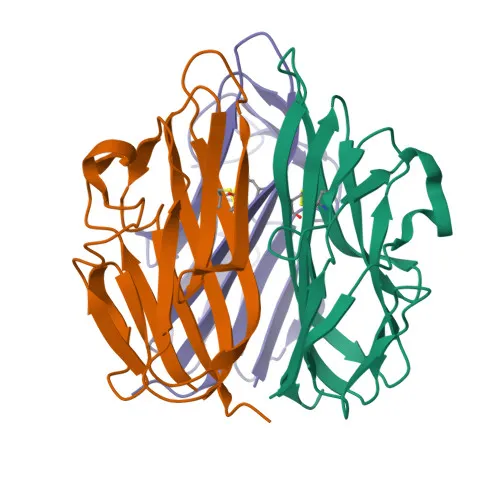
Polyclonal Antibodies
EDA Rabbit pAb for WB, IHC-P, IF/ICC, ELISA - Q92838
Item Number : CM0026848
Price varies based on specs and customizations
- Application
- WB, IHC-P, IF/ICC, ELISA
- Cross Reactivity
- Human, Mouse, Rat
- Protein Weight
- 41kDa

Shipping:
Contact us to get shipping details Enjoy On-time Dispatch Guarantee.
Why Choose Us
Easy ordering process, quality products, and dedicated support for your business success.
Core Product Specifications and Parameters
| Parameter | Description |
|---|---|
| Product Name | EDA Rabbit pAb |
| Remarks/Alias | ED1; HED; EDA1; EDA2; HED1; ODT1; XHED; ECTD1; XLHED; ED1-A1; ED1-A2; EDA-A1; EDA-A2; TNLG7C; STHAGX1; EDA |
| Species | Human |
| Gene ID (Human) | 1896 |
| Immunogen | Synthetic peptide corresponding to a sequence within amino acids 62-182 of human EDA (NP_001390.1) |
| Source | Rabbit |
| Category | Polyclonal Antibodies |
| Application | WB, IHC-P, IF/ICC, ELISA |
| Cross Reactivity | Human, Mouse, Rat |
| SWISS | Q92838 |
| Protein Weight | 41kDa |
| Shipping | Ice bag |
Biological Background: Ectodysplasin-A (EDA) Function and Localization
- EDA encodes the transmembrane protein ectodysplasin-A, a type II membrane protein that belongs to the tumor necrosis factor (TNF) family. It can be proteolytically cleaved to release a soluble ectodomain.
- EDA functions as a ligand for the death domain-containing receptors EDAR and EDA2R, triggering signaling pathways essential for epithelial-mesenchymal interactions during ectodermal organ morphogenesis (PubMed:11039935, PubMed:27144394, PubMed:34582123). Related references: PMID:11039935 PMID:27144394 PMID:34582123
- Alternative splicing generates multiple isoforms with distinct receptor specificities: isoform 1 binds exclusively to EDAR, while isoform 3 binds exclusively to EDA2R.
- Subcellularly, EDA is anchored to the cell membrane via an N-terminal transmembrane domain but is also secreted following cleavage at a pair of basic residues.
- EDA is expressed at low abundance, predominantly in cells of ectodermal origin such as keratinocytes, hair follicles, and sweat glands, and is also found in adult heart, liver, muscle, pancreas, prostate, and fetal tissues.
- Mutations in EDA are linked to X-linked hypohidrotic ectodermal dysplasia (XLHED), a condition marked by defective development of teeth, hair, and sweat glands.
- Post-translational modifications include glycosylation and disulfide bond formation, which are critical for proper folding and trimerization via its collagen-like domain.
- EDA may also participate in cell adhesion, as suggested by sequence similarities and in vitro studies.
Experimental Guidance and Technical Tips
- The immunogen corresponds to a segment of the EDA ectodomain (amino acids 62–182), which is likely exposed in the soluble form and may yield antibodies recognizing both membrane-bound and secreted EDA isoforms.
- For Western blot (WB), expect a band around 41 kDa for the full-length protein; cleaved or alternative isoforms may produce additional bands. Include appropriate positive control lysates from human, mouse, or rat tissues known to express EDA (e.g., keratinocytes, skin).
- For immunohistochemistry (IHC-P) and immunofluorescence (IF/ICC), optimize antigen retrieval and antibody dilution due to typically low EDA expression. Validate using tissues rich in ectodermal structures, such as skin or hair follicles.
- As a polyclonal rabbit antibody, batch-to-batch variability is possible; include a standard control sample in each assay to monitor consistency.
- Cross-reactivity with mouse and rat suggests conserved epitopes; validate the antibody in the relevant species and tissue context before extensive use.
- For ELISA applications, this antibody can serve as a capture or detection reagent, but pairing with a monoclonal antibody or another validated pair is recommended for sandwich assays.
CamelBio: Your One-Stop Sourcing Bridge
CamelBio serves as a comprehensive sourcing partner for IVD raw materials, offering a wide range of validated antibodies, antigens, and ancillary reagents to support diagnostic manufacturers and research laboratories. For ectodysplasin-A and related developmental biology targets, we provide optimized monoclonal and polyclonal antibodies, bulk formats, and custom sourcing options to streamline your assay development. Whether you need antibody pairs for ELISA, primary antibodies for IHC, or rare target reagents, CamelBio is your bridge from concept to clinic.
REQUEST A QUOTE
Our professional team will reply to you within one business day. Please feel free to contact us!