Polyclonal Antibodies
ECE1 Rabbit pAb - P42892
Item Number : CM0019453
Price varies based on specs and customizations
- Application
- WB, IHC-P, IF/ICC, ELISA
- Cross Reactivity
- Human, Mouse, Rat
- Protein Weight
- 87kDa

Shipping:
Contact us to get shipping details Enjoy On-time Dispatch Guarantee.
Why Choose Us
Easy ordering process, quality products, and dedicated support for your business success.
Core Product Specifications and Parameters
| Parameter | Value |
|---|---|
| Product Name | ECE1 Rabbit pAb |
| Remarks/Alias | ECE; ECE1 |
| Species | Human |
| GeneID (Human) | 1889 |
| GeneID | 1889 |
| Immunogen | Recombinant fusion protein containing a sequence corresponding to amino acids 670-770 of human ECE1 (NP_001388.1) |
| Source | Rabbit |
| Category | Polyclonal Antibodies |
| Application | WB, IHC-P, IF/ICC, ELISA |
| Cross Reactivity | Human, Mouse, Rat |
| SWISS | P42892 |
| Protein Weight | 87kDa |
| Shipping | Ice bag |
Biological Background: ECE1 Function and Localization
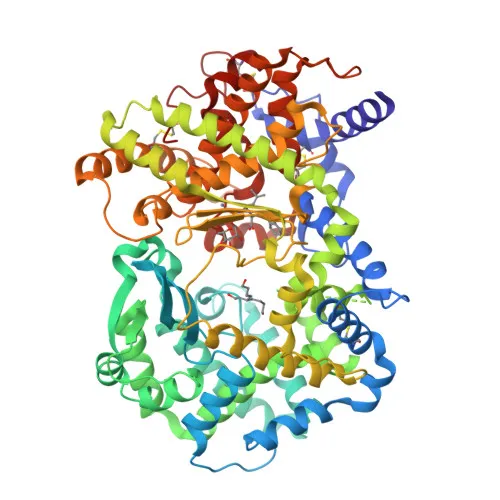
- ECE1 is a membrane-bound zinc metalloprotease that catalyzes the conversion of big endothelin-1 to the potent vasoconstrictor peptide endothelin-1.
- It belongs to the M13 family of metalloproteases and contains structural features including a disulfide bond, glycosylation sites, and multiple phosphorylation sites.
- Alternative splicing generates several isoforms (A, B, C, D) that share the catalytic domain but differ in their N-terminal sequences and tissue distribution.
- The protein localizes to the cell membrane via a single signal-anchor transmembrane helix, with the catalytic domain facing the extracellular/luminal space.
- ECE1 is widely expressed; high levels are detected in endothelial cells, placenta, lung, heart, and adrenal gland, with isoform-specific distributions in liver, kidney, testis, and smooth muscle cells.
- Mutations in ECE1 are linked to Hirschsprung disease, a developmental disorder of the enteric nervous system, underscoring its role beyond vasoregulation.
Experimental Guidance and Technical Tips
- The immunogen corresponds to the C-terminal region (aa 670-770) of human ECE1, which includes part of the catalytic domain and may recognize multiple isoforms.
- For Western blotting, expect a band at approximately 87 kDa under reducing conditions; consider using fresh protease inhibitors and avoiding boiling to preserve epitopes.
- In IHC-P and IF/ICC, optimize fixation and permeabilization protocols to account for the membrane localization of ECE1; enzymatic antigen retrieval may enhance detection.
- For ELISA assays, coating with the recombinant immunogen or a related peptide can serve as a positive control; pre-absorption tests are recommended to confirm specificity.
- The antibody shows cross-reactivity with mouse and rat ECE1, but performance should be validated in the relevant tissue or cell line before quantitative studies.
CamelBio: Your One-Stop Sourcing Bridge
CamelBio bridges the gap between research and clinical application by offering a comprehensive suite of IVD raw materials, including validated antibodies, recombinant proteins, and ancillary reagents. This anti-ECE1 polyclonal antibody supports cardiovascular and endothelin biology research, and can be paired with CamelBio’s sourcing services for bulk quantities, custom formulations, or matched detection systems. Reach out to explore one-stop procurement solutions tailored to your diagnostic or laboratory workflow.
REQUEST A QUOTE
Our professional team will reply to you within one business day. Please feel free to contact us!