Polyclonal Antibodies
DTL Rabbit Polyclonal Antibody for WB and ELISA - Q9NZJ0
Item Number : CM0017440
Price varies based on specs and customizations
- Application
- WB, ELISA
- Cross Reactivity
- Mouse, Rat
- Protein Weight
- 79kDa

Shipping:
Contact us to get shipping details Enjoy On-time Dispatch Guarantee.
Why Choose Us
Easy ordering process, quality products, and dedicated support for your business success.
Core Product Specifications and Parameters
| Parameter | Value |
|---|---|
| Product Name | DTL Rabbit pAb |
| Remarks/Alias | CDT2; RAMP; DCAF2; L2DTL; DTL |
| Species | Human |
| Gene ID (Human) | 51514 |
| Gene ID | 51514 |
| Immunogen | Recombinant fusion protein containing a sequence corresponding to amino acids 541-730 of human DTL (NP_057532.3). |
| Source | Rabbit |
| Category | Polyclonal Antibodies |
| Application | WB, ELISA |
| Cross Reactivity | Mouse, Rat |
| SWISS | Q9NZJ0 |
| Protein Weight | 79kDa |
| Shipping | Ice bag |
Biological Background: DTL Function and Localization
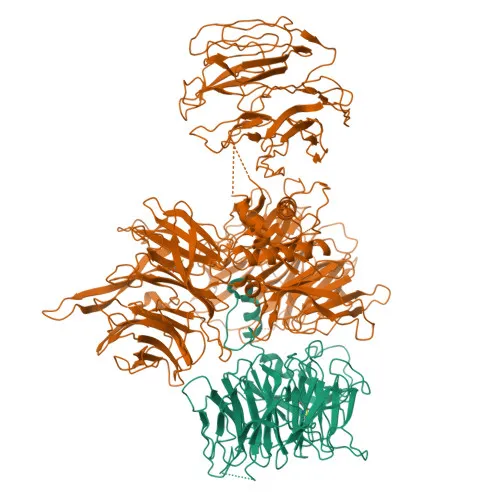
- DTL (denticleless protein homolog), also known as CDT2, RAMP, DCAF2, and L2DTL, is a substrate-specific adapter of the DCX (DDB1-CUL4-X-box) E3 ubiquitin-protein ligase complex.
- It mediates polyubiquitination and subsequent degradation of CDT1, a key regulator of DNA replication licensing, particularly in response to DNA damage. Related references: PMID:16861906 PMID:16949367 PMID:16964240 PMID:17085480
- DTL also targets CDKN1A/p21(CIP1) for degradation during S phase and after UV irradiation, which is essential for proper replication licensing. Related references: PMID:18794348 PMID:19332548
- The complex degrades KMT5A, influencing TGF-beta signaling, cell cycle progression, DNA repair, and cell migration. Related references: PMID:23478445
- DTL promotes PCNA monoubiquitination at Lys-164, facilitating PCNA-dependent translesion DNA synthesis. Related references: PMID:20129063 PMID:23478441 PMID:23478445
- It also regulates circadian rhythm by mediating ubiquitination and degradation of CRY1. Related references: PMID:26431207
- Subcellular localization includes the nucleus, nuclear membrane, cytoplasm, centrosome, and chromosomes.
- DTL is highly expressed in placenta, testis, thymus, and bone marrow, with lower expression in spleen, lymph node, and peripheral leukocytes; its expression is downregulated by retinoic acid in NT2 cells.
- The protein contains WD repeats and undergoes post-translational modifications such as acetylation and phosphorylation.
Experimental Guidance and Technical Tips
- The immunogen covers amino acids 541–730 near the C-terminus, which may detect full-length DTL and possible isoforms. For western blotting, expect a band around 79 kDa.
- Given the tissue expression pattern, consider using placenta, testis, or hematopoietic cell lines as positive controls for WB.
- For ELISA applications, coat with recombinant protein or use cell lysates; validate with a known standard curve.
- Cross-reactivity with mouse and rat has been reported; verify performance in your specific sample systems.
CamelBio: Your One-Stop Sourcing Bridge
CamelBio offers a one-stop sourcing solution for IVD raw materials, including validated antibodies, recombinant proteins, and ancillary reagents. Our DTL polyclonal antibody supports research in cell cycle regulation, DNA damage response, and ubiquitin-mediated proteolysis. Contact us for bulk orders or assistance in sourcing rare-target antibodies and diagnostic-grade components.
REQUEST A QUOTE
Our professional team will reply to you within one business day. Please feel free to contact us!