Polyclonal Antibodies
CSTA Rabbit pAb - P01040
Item Number : CM0030195
Price varies based on specs and customizations
- Application
- WB, IHC-P, IF/ICC, ELISA
- Cross Reactivity
- Human, Rat
- Protein Weight
- 11kDa

Shipping:
Contact us to get shipping details Enjoy On-time Dispatch Guarantee.
Why Choose Us
Easy ordering process, quality products, and dedicated support for your business success.
Core Product Specifications and Parameters
| Parameter | Value |
|---|---|
| Product Name | CSTA Rabbit pAb |
| Remarks/Alias | AREI; PSS4; STF1; STFA; CSTA |
| Species | Human |
| GeneID (human) | 1475 |
| GeneID | 1475 |
| Immunogen | Recombinant fusion protein containing a sequence corresponding to amino acids 1-98 of human CSTA (NP_005204.1). |
| Source | Rabbit |
| Category | Polyclonal Antibodies |
| Application | WB, IHC-P, IF/ICC, ELISA |
| Cross Reactivity | Human, Rat |
| SWISS | P01040 |
| Protein Weight | 11kDa |
| Shipping | Ice bag |
Biological Background: Cystatin-A Function and Localization
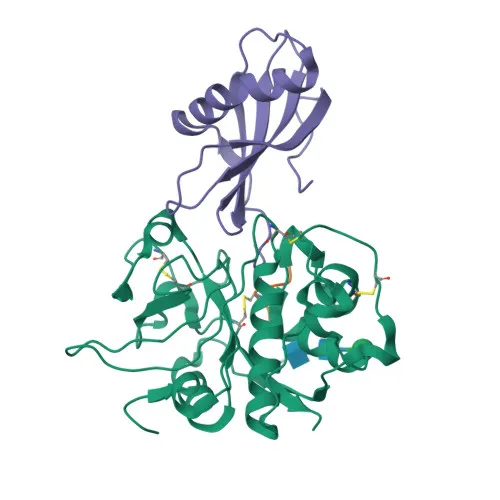
- Cystatin-A (also known as Stefin-A or Cystatin-AS) is encoded by the CSTA gene in humans, producing a small 98-amino-acid protein.
- It functions as an intracellular thiol proteinase inhibitor, providing critical regulation of cysteine protease activity within cells.
- Beyond its protease-inhibitory role, Cystatin-A contributes to desmosome-mediated cell-cell adhesion, especially in the lower levels of the epidermis, reflecting a dual functionality.
- Subcellularly, Cystatin-A is predominantly localized to the cytoplasm, consistent with its intracellular inhibitory functions.
- Tissue expression is highly specific, with abundant presence throughout all layers of the epidermis, highlighting its importance in skin biology.
- Key structural features include a determined 3D structure and acetylation; it is classified as a thiol protease inhibitor and has been linked to the skin disorder ichthyosis when its function is impaired.
Experimental Guidance and Technical Tips
- The full-length immunogen (residues 1–98) suggests broad reactivity against native and recombinant Cystatin-A; include a positive control such as human keratinocyte lysate for WB.
- For IHC-P, antigen retrieval using citrate buffer (pH 6.0) is recommended, with validation in human skin sections to confirm cytoplasmic staining.
- Reported cross-reactivity with rat requires empirical optimization; titrate antibody dilutions appropriately for rat samples in each application.
- The low molecular weight (~11 kDa) of Cystatin-A demands careful SDS-PAGE conditions; consider using a 15% gel and a 0.2 µm PVDF membrane to retain the protein during transfer.
CamelBio: Your One-Stop Sourcing Bridge
As a one-stop IVD raw-material sourcing partner, CamelBio helps diagnostic developers and researchers access high-quality antibodies like this CSTA Rabbit pAb, targeting key protease inhibitors. Complement your workflows with validated antibody pairs, bulk ancillary reagents, and customized sourcing for rare targets. Trust CamelBio to streamline your supply chain from concept to clinic.
REQUEST A QUOTE
Our professional team will reply to you within one business day. Please feel free to contact us!