Polyclonal Antibodies
CLIC3 Rabbit pAb - O95833
Item Number : CM0017459
Price varies based on specs and customizations
- Application
- WB, ELISA
- Cross Reactivity
- Human, Mouse, Rat
- Protein Weight
- 27kDa

Shipping:
Contact us to get shipping details Enjoy On-time Dispatch Guarantee.
Why Choose Us
Easy ordering process, quality products, and dedicated support for your business success.
Core Product Specifications and Parameters
| Parameter | Value |
|---|---|
| Product Name | CLIC3 Rabbit pAb |
| Remarks/Alias | CLIC3 |
| Species | Human |
| GeneID (human) | 9022 |
| GeneID | 9022 |
| Immunogen | Recombinant fusion protein containing a sequence corresponding to amino acids 87-236 of human CLIC3 (NP_004660.2). |
| Source | Rabbit |
| Category | Polyclonal Antibodies |
| Application | WB, ELISA |
| Cross Reactivity | Human, Mouse, Rat |
| SWISS | O95833 |
| Protein Weight | 27kDa |
| Shipping | Ice bag |
Biological Background: CLIC3 Function and Localization
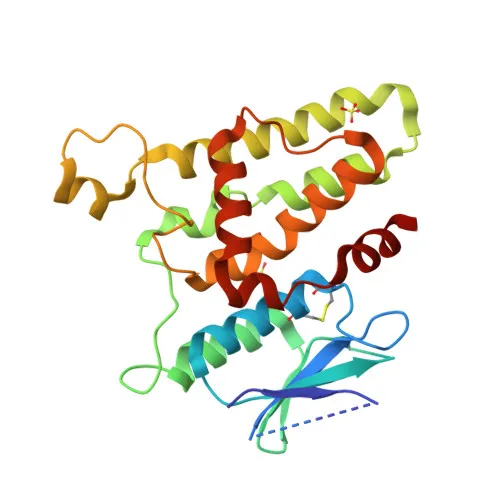
- Chloride intracellular channel protein 3 (CLIC3), also known as glutaredoxin-like oxidoreductase CLIC3, is encoded by the CLIC3 gene (GeneID: 9022).
- In its soluble state, CLIC3 catalyzes glutaredoxin-like thiol disulfide exchange reactions with reduced glutathione as electron donor. Related references: PMID:28198360, PMID:37759794
- Upon reduction, CLIC3 is secreted into the extracellular matrix, where it activates transglutaminase 2 (TGM2) by reducing specific cysteines and regulates cofactor binding; this process promotes blood vessel growth during tissue remodeling and tumorigenesis. Related references: PMID:28198360
- CLIC3 can insert into membranes and form outwardly rectifying chloride ion channels and may participate in cellular growth control.
- The protein localizes to multiple compartments: nucleus, membrane, cell membrane, cytoplasm, and is secreted into the extracellular space and extracellular matrix.
- Detected at protein level in placenta, CLIC3 is widely expressed with highest levels in placenta, lung, and heart, and lower expression in skeletal muscle, kidney, and pancreas.
- Annotated as a phosphoprotein with disulfide bonds, CLIC3 belongs to the voltage-gated ion channel and oxidoreductase families.
Experimental Guidance and Technical Tips
- The immunogen corresponds to amino acids 87–236 of human CLIC3. This region may include part of the glutaredoxin-like domain; consider its suitability for detecting both soluble and membrane-inserted CLIC3 in WB and ELISA.
- The antibody is reported to cross-react with human, mouse, and rat. Validate reactivity in your relevant sample system, as sequence identity within the immunogen region should be confirmed.
- As a polyclonal antibody raised in rabbit, lot-to-lot variability can occur. Optimize dilution factors and include positive/negative controls in your assays.
- For ELISA applications, consider pairing with a specific CLIC3 capture or detection reagent after confirming performance in sandwich formats.
CamelBio: Your One-Stop Sourcing Bridge
CamelBio supports diagnostic manufacturers, laboratories, and research institutes with comprehensive access to IVD raw materials, including validated antibody pairs, optimized monoclonal and polyclonal antibodies, and bulk ancillary reagents. For targets like CLIC3, involved in ion channel biology and oxidoreductase pathways, we offer rare-target raw-material sourcing and supply chain solutions to accelerate your development from concept to clinic.
REQUEST A QUOTE
Our professional team will reply to you within one business day. Please feel free to contact us!