Monoclonal Antibodies
Cleaved Gasdermin D (Gly276) Rabbit mAb for WB, ELISA - P57764
Item Number : CM0009338
Price varies based on specs and customizations
- Application
- WB, ELISA
- Cross Reactivity
- Human
- Protein Weight
- 53kDa

Shipping:
Contact us to get shipping details Enjoy On-time Dispatch Guarantee.
Why Choose Us
Easy ordering process, quality products, and dedicated support for your business success.
Core Product Specifications and Parameters
| Parameter | Value |
|---|---|
| Product Name | Cleaved Gasdermin D(Gly276) Rabbit mAb |
| Remarks/Alias | DF5L; DFNA5L; FKSG10; GSDMDC1 |
| Species | Human |
| Gene ID (Human) | 79792 |
| Immunogen | Synthetic peptide|A synthetic peptide corresponding to residues surrounding Asp276 of human Gasdermin D(NP_079012.3). |
| Source | Rabbit |
| Category | Monoclonal Antibodies |
| Application | WB, ELISA |
| Cross Reactivity | Human |
| SWISS | P57764 |
| Protein Weight | 53kDa |
| Shipping | Ice bag |
Biological Background: Gasdermin D Function and Localization
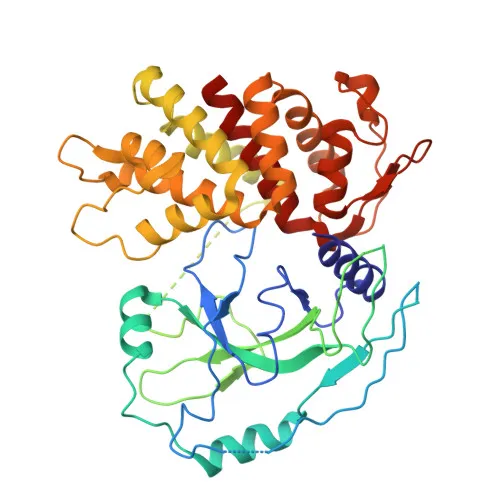
- Gasdermin-D is a precursor of a pore-forming protein that plays a key role in host defense against pathogen infection and danger signals. Upon cleavage by inflammatory caspases, it releases an N-terminal fragment that forms pores in membranes, triggering pyroptosis. Related references: PMID:26375003, PMID:26375259, PMID:27281216
- The N-terminal Gasdermin-D fragment binds to inner leaflet phosphoinositides and cardiolipin, and homooligomerizes to form pores of 10-15 nm inner diameter, allowing release of mature IL-1β, IL-18, and caspase-7. Related references: PMID:27281216, PMID:27418190, PMID:29898893
- Gasdermin-D pores mediate release of mitochondrial DNA, and the N-terminal fragment can directly kill both Gram-negative and Gram-positive bacteria extracellularly. Related references: PMID:27281216
- In the small intestine, cleavage by caspase-3/caspase-7 produces a transcription coactivator that enhances MHC class II expression to maintain food tolerance.
- The protein is expressed in differentiating cells of the esophagus and stomach. Subcellularly, it localizes to the cytoplasm, inflammasome, cell membrane, mitochondrion membrane, and nucleus under different conditions.
- Post-translational modifications include palmitoylation, ubiquitination, and glycosylation; it is a glycoprotein and lipoprotein.
- Cleavage by the papain allergen releases the N-terminal fragment, which forms pores specifically releasing IL-33 to promote type 2 inflammation. Related references: PMID:35794369
Experimental Guidance and Technical Tips
- This antibody is raised against a peptide corresponding to residues surrounding Asp276 and is designated as cleaved Gasdermin D (Gly276), suggesting specificity for the N-terminal cleavage product. Validate specificity in the relevant cell system, such as inflammasome-activated macrophages.
- For Western blot, include untreated and treated (e.g., LPS+ATP) cell lysates to confirm detection of the ~31 kDa cleaved fragment versus the full-length 53 kDa protein.
- In ELISA, consider pairing with a capture antibody targeting a different epitope to ensure detection of the cleaved form.
- Refer to the UniProt record (P57764) and recent literature for updated biological contexts.
CamelBio: Your One-Stop Sourcing Bridge
CamelBio streamlines IVD raw-material procurement with one-stop access to antibodies, antigen pairs, and ancillary reagents for pyroptosis and inflammasome research. We support diagnostic developers and research laboratories with validated monoclonal antibodies, bulk reagent supply, and sourcing for rare targets. Partner with CamelBio to accelerate your assay development from concept to clinic.
REQUEST A QUOTE
Our professional team will reply to you within one business day. Please feel free to contact us!