Polyclonal Antibodies
CD66a/CEACAM1 Rabbit pAb for WB IHC-P ELISA - P13688
Item Number : CM0022723
Price varies based on specs and customizations
- Application
- WB, IHC-P, ELISA
- Cross Reactivity
- Human, Mouse, Rat
- Protein Weight
- 58kDa

Shipping:
Contact us to get shipping details Enjoy On-time Dispatch Guarantee.
Why Choose Us
Easy ordering process, quality products, and dedicated support for your business success.
Core Product Specifications and Parameters
| Parameter | Specification |
|---|---|
| Product Name | CD66a/CEACAM1 Rabbit pAb |
| Remarks/Alias | BGP; BGP1; BGPI; CEACAM1 |
| Species | Human |
| GeneID (Human) | 634 |
| Immunogen | Recombinant fusion protein containing a sequence corresponding to amino acids 300-430 of human CEACAM1 (NP_001703.2). |
| Source | Rabbit |
| Category | Polyclonal Antibodies |
| Application | WB, IHC-P, ELISA |
| Cross Reactivity | Human, Mouse, Rat |
| SWISS | P13688 |
| Protein Weight | 58kDa |
| Shipping | Ice bag |
Biological Background: CEACAM1 Function and Localization
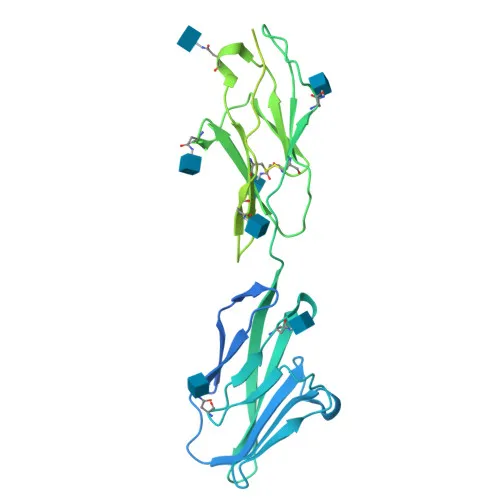
- CEACAM1 (CD66a), also known as BGP-1, is a member of the carcinoembryonic antigen family, characterized by immunoglobulin-like domains, transmembrane region, and multiple isoforms generated by alternative splicing.
- It mediates calcium-independent homophilic cell adhesion, playing critical roles in immune modulation, insulin clearance, angiogenesis, and bile acid transport.
- Acts as a coinhibitory receptor in T cells, suppressing TCR-mediated cytotoxicity and proliferation, in NK cells inhibiting KLRK1-mediated cytolysis, and in neutrophils downregulating IL1B production via PTPN6 recruitment. Related references: PMID:18424730, PMID:23696226, PMID:25363763
- Negatively regulates cell migration and scattering through interaction with FLNA, interfering with FLNA-RALA complex formation. Related references: PMID:16291724
- Subcellular localization includes lateral, apical, and basal cell membranes, adherens junctions, microvilli, and secretory vesicles; a secreted form also exists.
- Post-translational modifications include phosphorylation at cytoplasmic tyrosine residues, glycosylation, disulfide bond formation, and pyrrolidone carboxylic acid at the N-terminus.
- Predominantly expressed in colon epithelial cells (protein level), with long cytoplasmic tail isoforms enriched in T cells; also detected in granulocytes and lymphocytes.
Experimental Guidance and Technical Tips
- The immunogen covers amino acids 300–430, likely targeting the membrane-proximal extracellular region; this design may recognize multiple isoforms and be suitable for detecting both membrane-bound and soluble forms.
- For WB, a band near 58 kDa is expected, but isoform diversity and glycosylation may lead to additional or shifted bands; validation in the intended sample matrix is recommended.
- In IHC-P, consider standard antigen retrieval methods and appropriate positive/negative tissue controls, such as colon or tonsil sections.
- Cross-reactivity with mouse and rat broadens utility, but signal intensity and specificity should be verified in each species context.
- As a polyclonal antibody, lot-to-lot consistency should be confirmed for critical applications; pairing with appropriate detection reagents is advised.
CamelBio: Your One-Stop Sourcing Bridge
CamelBio supports diagnostic manufacturers and research institutes with a comprehensive portfolio of IVD raw materials, including validated antibody pairs, monoclonal and polyclonal antibodies, and recombinant proteins. For projects centered on immune checkpoint biology or cancer cell adhesion, we offer targeted sourcing of CEACAM1 reagents and ancillary supplies—backed by technical consultation to streamline your development pipeline from early-stage research to clinical applications.
REQUEST A QUOTE
Our professional team will reply to you within one business day. Please feel free to contact us!