Polyclonal Antibodies
CD4 Rabbit Polyclonal Antibody for WB, IF-P, ELISA - P01730
Item Number : CM0015716
Price varies based on specs and customizations
- Application
- WB, IF-P, ELISA
- Cross Reactivity
- Human
- Protein Weight
- 51 kDa

Shipping:
Contact us to get shipping details Enjoy On-time Dispatch Guarantee.
Why Choose Us
Easy ordering process, quality products, and dedicated support for your business success.
Core Product Specifications and Parameters
| Parameter | Value |
|---|---|
| Product Name | CD4 Rabbit pAb |
| Remarks/Alias | T4; IMD79; Leu-3; OKT4D; CD4mut; CD4 |
| Species | Human |
| GeneID (human) | 920 |
| GeneID | 920 |
| Immunogen | Recombinant fusion protein containing a sequence corresponding to amino acids 26-207 of CD4 (NP_000607.1) |
| Source | Rabbit |
| Category | Polyclonal Antibodies |
| Application | WB, IF-P, ELISA |
| Cross Reactivity | Human |
| SWISS | P01730 |
| Protein Weight | 51 kDa |
| Shipping | Ice bag |
Biological Background: CD4 Function and Localization
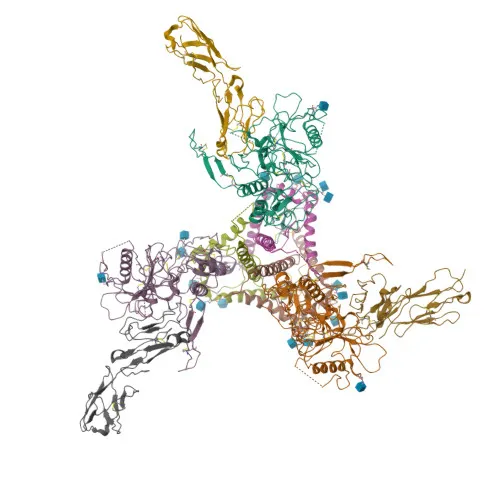
- CD4 (T-cell surface glycoprotein CD4, also known as T4/Leu-3) is an integral membrane glycoprotein that serves as a coreceptor for MHC class II molecules on antigen-presenting cells. This interaction is essential for T-cell receptor (TCR) signaling and T-helper cell activation.
- Upon TCR engagement, CD4 recruits the Src kinase LCK, initiating intracellular signaling cascades that drive lymphokine production, T-cell motility, adhesion, and differentiation.
- CD4 is also critical for thymic T-helper cell development and promotes the differentiation of monocytes into functional mature macrophages.
- Subcellularly, CD4 localizes to the cell membrane, consistent with its role as a surface receptor.
- The protein undergoes several post-translational modifications, including glycosylation, disulfide bond formation, palmitoylation, and phosphorylation, which regulate its stability and interactions.
- In addition to its immunological functions, CD4 is the primary receptor for HIV-1, facilitating viral entry into host cells (PubMed:12089508, PubMed:16331979, PubMed:2214026). It is also a receptor for Human Herpesvirus 7 (HHV-7) (PubMed:7909607). Related references: PMID:12089508 PMID:16331979 PMID:2214026 PMID:7909607
- CD4 is highly expressed in T-helper cells but is also present in other immune cells, including macrophages, dendritic cells, and NK cells.
Experimental Guidance and Technical Tips
- The immunogen corresponds to the extracellular domain (amino acids 26–207) of human CD4; thus, the antibody is expected to recognize the native surface protein as well as denatured forms in Western blotting under reducing conditions.
- For Western blot (WB), consider using a reduced sample preparation to ensure complete denaturation of disulfide-bonded domains; a band near 51 kDa is expected.
- For immunofluorescence on paraffin-embedded sections (IF-P), antigen retrieval may be required; however, for live-cell staining, the antibody may recognize extracellular epitopes without permeabilization.
- In ELISA applications, this polyclonal antibody can be used as a capture or detection reagent; optimal dilutions and paired antibody combinations should be determined empirically.
CamelBio: Your One-Stop Sourcing Bridge
CamelBio is your one-stop partner for sourcing high-quality IVD raw materials, including validated CD4 antibodies and related immunological reagents. Whether you need optimized monoclonal/polyclonal antibodies, bulk ancillary reagents, or rare target antibody development, our global supply network ensures seamless integration from concept to clinic. Contact us to explore how our CD4 antibody solutions can accelerate your diagnostic assay development.
REQUEST A QUOTE
Our professional team will reply to you within one business day. Please feel free to contact us!