Polyclonal Antibodies
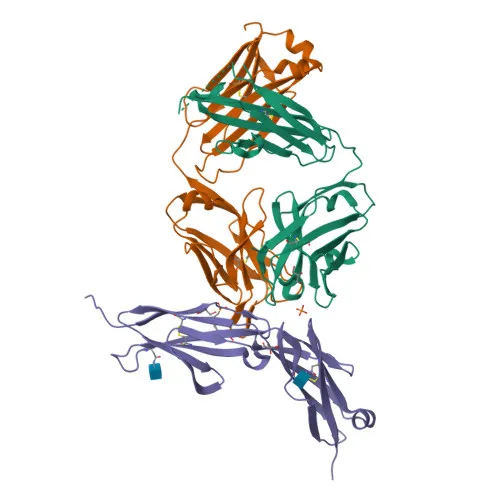
CD146/MCAM Rabbit Polyclonal Antibody for WB & ELISA - P43121
Item Number : CM0021970
Price varies based on specs and customizations
- Application
- WB, ELISA
- Cross Reactivity
- Human, Rat
- Protein Weight
- 72kDa

Shipping:
Contact us to get shipping details Enjoy On-time Dispatch Guarantee.
Why Choose Us
Easy ordering process, quality products, and dedicated support for your business success.
Core Product Specifications and Parameters
| Parameter | Value |
|---|---|
| Product Name | CD146/MCAM Rabbit pAb |
| Remarks/Alias | CD146, MUC18, HEMCAM, METCAM, MelCAM |
| Species | Human |
| GeneID | 4162 |
| Immunogen | Recombinant fusion protein containing a sequence corresponding to amino acids 447-646 of human CD146/MCAM (NP_006491.2) |
| Source | Rabbit |
| Category | Polyclonal Antibodies |
| Application | WB, ELISA |
| Cross Reactivity | Human, Rat |
| SWISS | P43121 |
| Protein Weight | 72kDa |
| Shipping | Ice bag |
Biological Background: CD146/MCAM Function and Localization
- CD146, also known as MCAM, MUC18, and MelCAM, is a cell surface glycoprotein encoded by the MCAM gene in humans.
- It functions as an adhesion molecule involved in endothelial monolayer cohesion at intercellular junctions, playing a critical role in vascular tissue integrity.
- CD146 expression on melanoma cells facilitates interaction with vascular elements, promoting hematogenous tumor spread and metastasis.
- During embryonic development, CD146 may act as an adhesion molecule in neural crest cells, supporting their migration.
- As a receptor, CD146 triggers tyrosine phosphorylation of FYN and FAK1 kinases and induces a transient increase in intracellular calcium concentration.
- The protein is localized to the membrane and is detected predominantly in endothelial cells and vascular smooth muscle in normal adult tissues, with upregulated expression associated with malignant melanoma progression.
- CD146 contains extracellular immunoglobulin-like domains, a transmembrane helix, and cytoplasmic tail, and undergoes post-translational modifications including glycosylation, phosphorylation, and disulfide bond formation.
Experimental Guidance and Technical Tips
- The immunogen corresponds to amino acids 447-646, which lies within the extracellular region of CD146; this region is conserved in human and rat, supporting the observed cross-reactivity.
- For Western blotting, a band at approximately 72 kDa is expected (predicted molecular weight ~71.6 kDa), though glycosylation may cause slight shifts; validate the band with appropriate positive controls such as endothelial or melanoma cell lysates.
- In ELISA applications, direct coating of recombinant CD146 or cell lysates may be used; titrate the antibody and include appropriate secondary detection reagents.
- As a polyclonal antibody, lot-to-lot variability is possible; consider including a known positive control or standard curve in each experiment to ensure reproducibility.
CamelBio: Your One-Stop Sourcing Bridge
CamelBio provides diagnostic manufacturers, R&D laboratories, and research institutes with a streamlined, single-source solution for IVD raw materials. For studies focused on cell adhesion, cancer metastasis, and vascular biology, we offer validated antibody pairs, optimized monoclonal and polyclonal antibodies, bulk ancillary reagents, and specialized rare-target sourcing. Partner with CamelBio to accelerate your development from concept to clinic with reliable, high-quality immunoreagents.
REQUEST A QUOTE
Our professional team will reply to you within one business day. Please feel free to contact us!