Polyclonal Antibodies
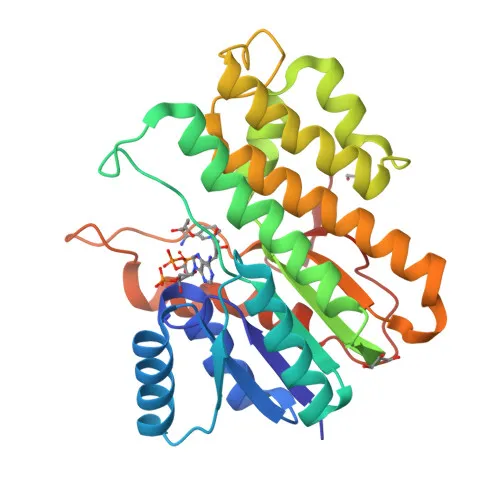
CBR3 (SDR21C2) Rabbit Polyclonal Antibody for WB, ELISA - O75828
Item Number : CM0024769
Price varies based on specs and customizations
- Application
- WB, ELISA
- Cross Reactivity
- Human, Mouse, Rat
- Protein Weight
- 31kDa

Shipping:
Contact us to get shipping details Enjoy On-time Dispatch Guarantee.
Why Choose Us
Easy ordering process, quality products, and dedicated support for your business success.
Core Product Specifications and Parameters
| Parameter | Value |
|---|---|
| Product Name | CBR3 Rabbit pAb |
| Remarks/Alias | hCBR3; SDR21C2; HEL-S-25; CBR3 |
| Species | Human |
| Gene ID (Human) | 874 |
| Gene ID | 874 |
| Immunogen | Recombinant fusion protein containing a sequence corresponding to amino acids 118-277 of human CBR3 (NP_001227.1). |
| Source | Rabbit |
| Category | Polyclonal Antibodies |
| Application | WB, ELISA |
| Cross Reactivity | Human, Mouse, Rat |
| SWISS | O75828 |
| Protein Weight | 31kDa |
| Shipping | Ice bag |
Biological Background: CBR3 Function and Localization
- CBR3 (Carbonyl reductase [NADPH] 3), also known as hCBR3, SDR21C2, or HEL-S-25, is a member of the short-chain dehydrogenase/reductase (SDR) family and functions as an NADPH-dependent oxidoreductase.
- It catalyzes the reduction of various carbonyl compounds, including ortho-quinones such as 1,2-naphthoquinone, the anticancer drug oracin, and isatin, playing a potential role in cellular protection against quinone cytotoxicity. Related references: PMID:15537833 PMID:18493841 PMID:19841672
- CBR3 exhibits a preference for ortho-quinones over para-quinones, and endogenous substrate identification has been limited to isatin, suggesting a specialized detoxification role. Related references: PMID:19841672
- The protein localizes predominantly to the cytoplasm, consistent with its role in phase I metabolism of xenobiotics.
- CBR3 is broadly expressed across tissues, including ovary, pancreas, intestine, kidney, brain, lung, heart, liver, and leukocytes, indicating widespread protective functions.
- Post-translational modifications such as acetylation and phosphorylation have been reported, potentially regulating its activity or interactions.
- The enzyme utilizes NADP as a cofactor and has been implicated in the metabolism of anticancer agents, highlighting its relevance in drug resistance and toxicology.
Experimental Guidance and Technical Tips
- The immunogen corresponds to amino acids 118–277 of human CBR3, a conserved region that may recognize full-length protein and potential cross-reactive species (mouse, rat).
- For Western blot, the predicted molecular weight is ~31 kDa; consider validating band specificity using lysates from recommended tissues (e.g., liver, kidney).
- In ELISA applications, optimize coating antigen and detection conditions to account for polyclonal characteristics.
- Due to cross-reactivity with mouse and rat, this antibody may be suitable for translational studies in preclinical models; always confirm selectivity in the relevant sample system.
CamelBio: Your One-Stop Sourcing Bridge
CamelBio provides diagnostic manufacturers, labs, and research institutes with one-stop access to IVD raw materials, technical services, and consulting—covering every stage from concept to clinic. For carbonyl reductase research and drug metabolism studies, we offer validated antibodies like this CBR3 polyclonal antibody, along with optimized antibody pairs, recombinant proteins, and bulk ancillary reagents to accelerate your assay development. Contact us for customized sourcing of rare targets and comprehensive raw-material solutions tailored to your IVD pipeline.
REQUEST A QUOTE
Our professional team will reply to you within one business day. Please feel free to contact us!