Polyclonal Antibodies
CBFB Rabbit pAb for WB, IHC-P, IF/ICC, ELISA - Q13951
Item Number : CM0028808
Price varies based on specs and customizations
- Application
- WB, IHC-P, IF/ICC, ELISA
- Cross Reactivity
- Human, Mouse, Rat
- Protein Weight
- 22kDa

Shipping:
Contact us to get shipping details Enjoy On-time Dispatch Guarantee.
Why Choose Us
Easy ordering process, quality products, and dedicated support for your business success.
Core Product Specifications and Parameters
| Parameter | Value |
|---|---|
| Product Name | CBFB Rabbit pAb |
| Remarks/Alias | CLCD2; PEBP2B; CBFB |
| Species | Human |
| GeneID (Human) | 865 |
| GeneID | 865 |
| Immunogen | Recombinant protein|Recombinant fusion protein containing a sequence corresponding to amino acids 1-182 of human CBFB (NP_001746.1). |
| Source | Rabbit |
| Category | Polyclonal Antibodies |
| Application | WB, IHC-P, IF/ICC, ELISA |
| Cross Reactivity | Human, Mouse, Rat |
| SWISS | Q13951 |
| Protein Weight | 22kDa |
| Shipping | Ice bag |
Biological Background: CBFB Function and Localization
- CBFB is the non-DNA-binding beta subunit of the core-binding factor (CBF) heterodimeric transcription factor complex. It allosterically enhances the DNA-binding affinity of RUNX family proteins (RUNX1, RUNX2, RUNX3).
- The CBF complex recognizes the core consensus sequence 5'-TGTGGT-3' (rarely 5'-TGCGGT-3') in regulatory regions of target genes.
- CBFB/RUNX heterodimers regulate expression of critical genes involved in hematopoiesis and immune function, including T-cell receptor enhancers, LCK, IL3, and GM-CSF.
- During CD8+ T cell development, CBF complexes repress ZBTB7B transcription factor expression by binding to RUNX-binding sites within the ZBTB7B locus, acting as a transcriptional silencer to permit cytotoxic T cell differentiation.
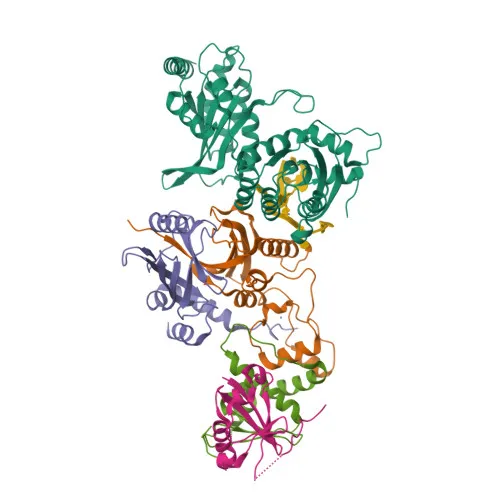
- Following HIV-1 infection, the viral protein Vif hijacks CBFB to assemble a cullin-5-RING E3 ubiquitin ligase complex (ECS), which targets APOBEC3F, APOBEC3G, and to a lesser extent APOBEC3H for ubiquitination and proteasomal degradation, thus counteracting host antiviral defenses. Related references: PMID:22190037 PMID:31792451 PMID:36598981 PMID:37640699
- CBFB localizes predominantly to the nucleus, consistent with its role as a transcriptional coregulator.
- The CBFB gene undergoes alternative splicing and is implicated in chromosomal rearrangements, particularly in acute myeloid leukemia (AML), and is classified as a proto-oncogene.
Experimental Guidance and Technical Tips
- The immunogen corresponds to amino acids 1-182 of human CBFB, covering the conserved heterodimerization domain; therefore the antibody is expected to recognize all major CBFB isoforms.
- For Western blotting, the detected band should appear at approximately 22 kDa; consider using nuclear-enriched lysates and validating with a known positive control.
- For IHC-P and IF/ICC, pilot experiments should optimize antigen retrieval and fixation methods; CBFB nuclear localization may require permeabilization protocols.
- For ELISA, this polyclonal antibody may serve as a capture or detection reagent; pairing with monoclonal antibodies should be evaluated.
CamelBio: Your One-Stop Sourcing Bridge
CamelBio provides a one-stop sourcing solution for IVD raw materials, including validated antibody pairs, monoclonal and polyclonal antibodies, and bulk ancillary reagents for diagnostic assay development. For CBFB-related research on hematological malignancies and immune regulation, we offer optimized detection tools and support rare target raw-material sourcing to accelerate your projects from concept to clinic.
REQUEST A QUOTE
Our professional team will reply to you within one business day. Please feel free to contact us!