Monoclonal Antibodies
CAPG Rabbit Monoclonal Antibody for WB, ELISA - P40121
Item Number : CM0009574
Price varies based on specs and customizations
- Application
- WB, ELISA
- Cross Reactivity
- Human, Mouse, Rat
- Protein Weight
- 38kDa

Shipping:
Contact us to get shipping details Enjoy On-time Dispatch Guarantee.
Why Choose Us
Easy ordering process, quality products, and dedicated support for your business success.
Core Product Specifications and Parameters
| Parameter | Value |
|---|---|
| Product Name | CAPG Rabbit mAb |
| Remarks/Alias | MCP; AFCP; HEL-S-66; CAPG |
| Species | Human |
| GeneID (Human) | 822 |
| GeneID | 822 |
| Immunogen | Recombinant fusion protein containing a sequence corresponding to amino acids 1-188 of human CAPG (P40121). |
| Source | Rabbit |
| Category | Monoclonal Antibodies |
| Application | WB, ELISA |
| Cross Reactivity | Human, Mouse, Rat |
| SWISS | P40121 |
| Protein Weight | 38kDa |
| Shipping | Ice bag |
Biological Background: CAPG Function and Localization
- CAPG (Macrophage-capping protein, also known as Actin regulatory protein CAP-G, MCP, AFCP, HEL-S-66) is a calcium-sensitive actin-binding protein that reversibly caps the barbed ends of actin filaments without severing them, thereby regulating actin polymerization dynamics.
- It plays an important role in macrophage function and may also regulate cytoplasmic and nuclear structures through potential interactions with actin and DNA.
- CAPG is predominantly expressed in macrophages and macrophage-like cells, highlighting its specific role in immune cell cytoskeletal rearrangements.
- The protein localizes to multiple subcellular compartments including the nucleus, cytoplasm, melanosomes, lamellipodia, and ruffles, consistent with its involvement in cell motility and structural organization.
- Post-translational modifications include acetylation and phosphorylation, which may modulate its activity in cellular signaling pathways.
- Alternative splicing yields multiple isoforms, and the protein contains repeat sequences characteristic of the gelsolin/villin family of actin regulatory proteins.
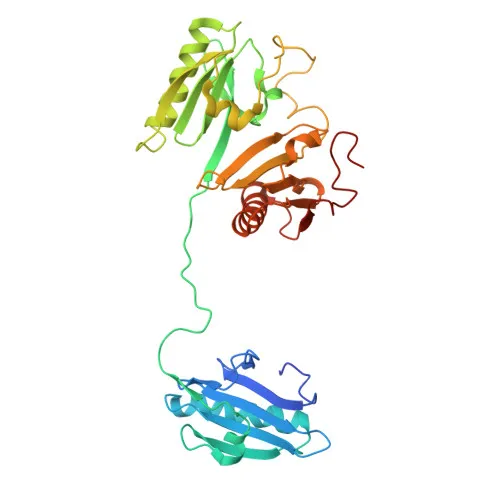
- Structural studies have resolved its 3D architecture, providing insights into its calcium-dependent actin-capping mechanism.
Experimental Guidance and Technical Tips
- The immunogen covers the N-terminal region (aa 1–188) containing actin-binding domains; therefore, the antibody may recognize both full-length and truncated CAPG forms if present.
- For Western blot, the predicted molecular weight is approximately 38 kDa; validate band specificity using positive controls such as macrophage lysates and, if available, knockout or knockdown samples.
- The antibody reacts with human, mouse, and rat CAPG; for other species, check target sequence homology before experimental use.
- In ELISA, consider using recombinant CAPG or cell lysates from macrophage lines to optimize coating and detection conditions.
- Given CAPG shuttling between nucleus and cytoplasm and its localization to membrane ruffles, subcellular fractionation or immunofluorescence may be explored with appropriate fixation and permeabilization protocols if adapting for ICC.
CamelBio: Your One-Stop Sourcing Bridge
CamelBio provides diagnostic manufacturers, labs, and research institutes with streamlined access to validated IVD raw materials, including high-quality monoclonal antibodies like this CAPG antibody for actin cytoskeleton research. Beyond individual antibodies, we offer matched antibody pairs, bulk ancillary reagents, and customized sourcing for rare targets, supporting your workflow from concept to clinic. Leverage our expertise to accelerate your immunoassay development and biomarker discovery projects.
REQUEST A QUOTE
Our professional team will reply to you within one business day. Please feel free to contact us!