Polyclonal Antibodies
BTK Rabbit Polyclonal Antibody for WB, ELISA - Q06187
Item Number : CM0013347
Price varies based on specs and customizations
- Application
- WB, ELISA
- Cross Reactivity
- Mouse, Rat
- Protein Weight
- 76kDa

Shipping:
Contact us to get shipping details Enjoy On-time Dispatch Guarantee.
Why Choose Us
Easy ordering process, quality products, and dedicated support for your business success.
Core Product Specifications and Parameters
| Parameter | Value |
|---|---|
| Product Name | BTK Rabbit pAb |
| Remarks/Alias | AT; ATK; BPK; XLA; IMD1; AGMX1; IGHD3; PSCTK1; BTK |
| Species | Human |
| GeneID (human) | 695 |
| GeneID | 695 |
| Immunogen | Recombinant protein|Recombinant fusion protein containing a sequence corresponding to amino acids 173-272 of human BTK (NP_000052.1). |
| Source | Rabbit |
| Category | Polyclonal Antibodies |
| Application | WB, ELISA |
| Cross Reactivity | Mouse, Rat |
| SWISS | Q06187 |
| Protein Weight | 76kDa |
| Shipping | Ice bag |
Biological Background: BTK Function and Localization
-
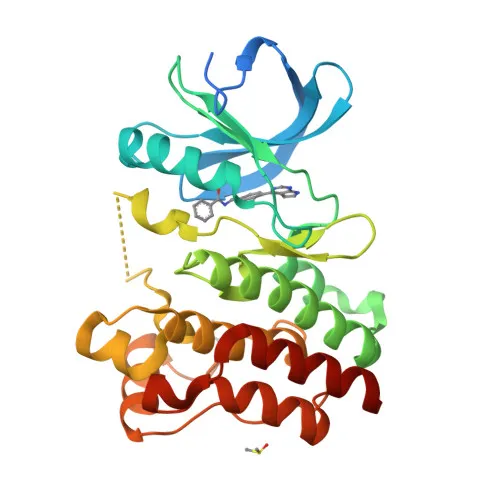
Tyrosine-protein kinase BTK is a non-receptor tyrosine kinase essential for B lymphocyte development, differentiation, and signaling, acting downstream of the B-cell antigen receptor (BCR).
Related references: PMID:19290921 -
Upon BCR engagement, BTK phosphorylates PLCG2 in cooperation with BLNK, leading to calcium mobilization and activation of protein kinase C (PKC) family members.
Related references: PMID:11606584 -
BTK functions in innate immunity by mediating Toll-like receptor (TLR) signaling, particularly TLR9 activation in splenic B-cells, and induces TIRAP degradation.
Related references: PMID:16517732, PMID:17932028, PMID:16415872 -
BTK is involved in transcriptional regulation, inducing NF-kappa-B activity and phosphorylating GTF2I, which then translocates to the nucleus to modulate gene expression.
Related references: PMID:19290921, PMID:9012831 -
BTK activates the NLRP3 inflammasome by mediating NLRP3 phosphorylation, linking it to innate immune responses.
Related references: PMID:34554188 -
BTK plays a dual role in apoptosis regulation and is involved in STING1-mediated type I interferon induction via DDX41 phosphorylation.
Related references: PMID:9751072, PMID:25704810 -
Subcellular localization includes cytoplasm, cell membrane, nucleus, and membrane rafts, reflecting its signaling versatility.
-
Predominantly expressed in B-lymphocytes, with key roles in both adaptive and innate immunity.
Experimental Guidance and Technical Tips
- The immunogen corresponds to amino acids 173–272 of human BTK, a region that may include conserved epitopes, consistent with the reported cross-reactivity to mouse and rat.
- For Western blot, validate detection of a band near 76 kDa in appropriate B‑cell lysates, and consider that endogenous expression levels may vary between cell types.
- ELISA can be employed for BTK detection; however, assay conditions (e.g., coating, blocking, and detection) should be empirically optimized for the sample matrix of interest.
- As with any polyclonal antibody, lot‑to‑lot consistency should be verified in the intended application, and appropriate controls (e.g., knockdown lysates) are recommended for specificity confirmation.
CamelBio: Your One-Stop Sourcing Bridge
CamelBio connects diagnostic developers with premium IVD raw materials, and this BTK antibody exemplifies our commitment to supplying critical reagents for B‑cell signaling and immunodeficiency research. Beyond individual antibodies, we offer validated antibody pairs, bulk ancillary reagents, and specialized sourcing for rare‑target raw materials, streamlining your entire assay development workflow from early R&D to clinical application.
REQUEST A QUOTE
Our professional team will reply to you within one business day. Please feel free to contact us!