Polyclonal Antibodies
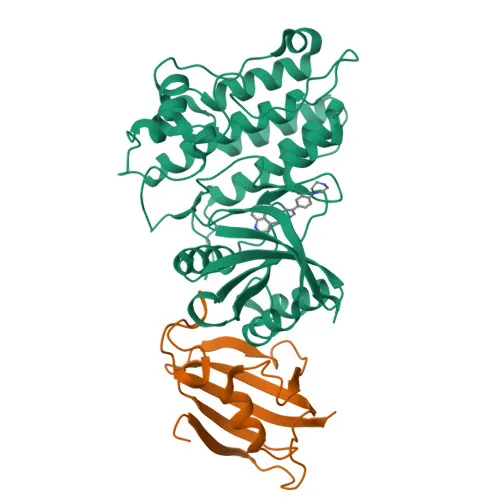
BMPR1B Rabbit pAb - O00238
Item Number : CM0019402
Price varies based on specs and customizations
- Application
- IF-P, IHC-P, ELISA
- Cross Reactivity
- Human, Mouse, Rat
- Protein Weight
- 57kDa

Shipping:
Contact us to get shipping details Enjoy On-time Dispatch Guarantee.
Why Choose Us
Easy ordering process, quality products, and dedicated support for your business success.
Core Product Specifications and Parameters
| Parameter | Value |
|---|---|
| Product Name | BMPR1B Rabbit pAb |
| Remarks/Alias | ALK6; AMD3; AMDD; BDA2; ALK-6; BDA1D; CDw293; BMPR1B |
| Species | Human |
| Gene ID (Human) | 658 |
| Immunogen | Synthetic peptide |
| Source | Rabbit |
| Category | Polyclonal Antibodies |
| Application | IF-P, IHC-P, ELISA |
| Cross Reactivity | Human, Mouse, Rat |
| SWISS | O00238 |
| Protein Weight | 57kDa |
| Shipping | Ice bag |
Biological Background: BMPR1B Function and Localization
- BMPR1B (bone morphogenetic protein receptor type-1B) is a transmembrane serine/threonine kinase that forms heteromeric complexes with type II receptors upon ligand binding.
- It serves as a high-affinity receptor for BMP7/OP-1 and GDF5, playing a critical role in positively regulating chondrocyte differentiation through GDF5 interaction.
- Upon ligand binding, the receptor complex activates the SMAD transcriptional regulatory pathway to mediate downstream signaling.
- The protein is localized at the cell membrane, featuring a signal peptide, a cysteine-rich extracellular domain, a single transmembrane helix, and an intracellular kinase domain.
- Alternative splicing generates multiple transcript variants, contributing to functional diversity.
- Key structural and functional features include ATP-binding, kinase activity, disulfide bond formation, and metal-ion binding (magnesium, manganese).
- Disease-associated mutations in BMPR1B are linked to dwarfism (BDA1D and BDA2), highlighting its role in skeletal development.
Experimental Guidance and Technical Tips
- The immunogen corresponds to the N-terminal region (amino acids 1–126), which may influence the antibody's ability to detect full-length versus processed or truncated forms of BMPR1B.
- As a polyclonal antibody, it may exhibit batch-to-batch variation; inclusion of appropriate positive and negative controls is recommended for each experiment.
- For IHC-P, consider testing antigen retrieval conditions (e.g., heat-induced epitope retrieval at pH 6 or 9) to optimize staining.
- In IF-P, permeabilization and fixation methods should be carefully selected to maintain epitope accessibility while preserving membrane localization.
- ELISA detection may require optimization of coating antigen and antibody concentration for maximum sensitivity.
- Validate specificity in the relevant sample system, especially when working with species- or isoform-specific variants.
CamelBio: Your One-Stop Sourcing Bridge
CamelBio empowers diagnostic manufacturers and research labs with a one-stop supply of IVD raw materials, including validated monoclonal and polyclonal antibodies for targets like BMPR1B. Our portfolio covers bone morphogenetic protein signaling and other developmental research areas, supported by technical and sourcing expertise to streamline your project from concept to clinic.
REQUEST A QUOTE
Our professional team will reply to you within one business day. Please feel free to contact us!