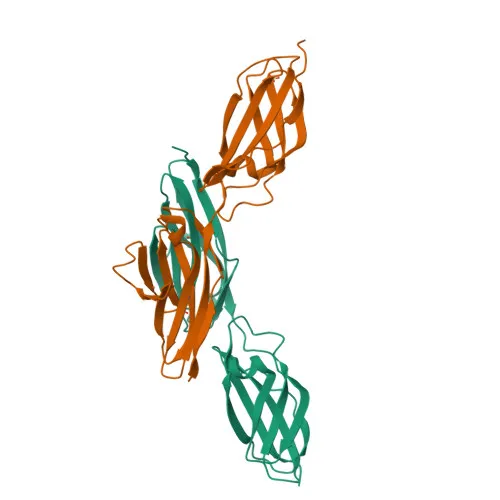
Monoclonal Antibodies
Biotin Rabbit anti-Human CD56/NCAM1 Monoclonal Antibody for FC - P13591
Item Number : CM0004667
Price varies based on specs and customizations
- Application
- FC
- Cross Reactivity
- Human
- Protein Weight
- 95 kDa

Shipping:
Contact us to get shipping details Enjoy On-time Dispatch Guarantee.
Why Choose Us
Easy ordering process, quality products, and dedicated support for your business success.
Core Product Specifications and Parameters
| Parameter | Value |
|---|---|
| Product Name | Biotin Rabbit anti-Human CD56/NCAM1 mAb |
| Remarks/Alias | CD56; NCAM; MSK39 |
| Species | Human |
| GeneID (Human) | 4684 |
| GeneID | 4684 |
| Immunogen | Recombinant fusion protein containing a sequence corresponding to amino acids 20-413 of human CD56/NCAM1 (NP_851996.2) |
| Source | Rabbit |
| Category | Monoclonal Antibodies |
| Application | FC |
| Cross Reactivity | Human |
| SWISS | P13591 |
| Protein Weight | 95 kDa |
| Shipping | Ice bag |
Biological Background: CD56/NCAM1 Function and Localization
- Neural cell adhesion molecule 1 (NCAM1, also known as CD56) is a cell surface glycoprotein that mediates homophilic and heterophilic cell–cell adhesion, critical for neuron–neuron adhesion, neurite fasciculation, and axonal outgrowth.
- Multiple isoforms are generated by alternative splicing, including transmembrane forms and GPI-anchored variants, as well as a secreted form; the protein contains immunoglobulin-like domains that facilitate adhesive interactions.
- NCAM1 is predominantly expressed on the surface of neurons and natural killer cells, where it plays a key role in neural development and immune surveillance, respectively.
- In addition to its canonical adhesion role, NCAM1 functions as a host cell receptor for several neurotropic viruses, including rabies virus and Zika virus, facilitating viral entry.
- The protein is extensively post-translationally modified, featuring N-linked glycosylation, disulfide bonds, and phosphorylation sites that modulate its adhesive properties and signaling.
- NCAM1 localizes primarily to the cell membrane, but can also be found as a secreted soluble form, influencing extracellular matrix interactions and paracrine signaling.
Experimental Guidance and Technical Tips
- The immunogen spans amino acids 20–413 of human NCAM1, encompassing the extracellular immunoglobulin domains; this region is exposed on the cell surface and should be accessible in live-cell flow cytometry applications.
- For flow cytometry, consider titrating the antibody to determine an optimal working concentration; include appropriate isotype controls and ensure the biotin label does not interfere with secondary detection reagents.
- Validate the antibody in the relevant sample system (e.g., human PBMCs or cultured neuronal cells) to confirm reactivity and specificity before scaling up experiments.
CamelBio: Your One-Stop Sourcing Bridge
CamelBio offers a comprehensive portfolio of IVD raw materials, including validated biotinylated monoclonal antibodies like this anti-CD56/NCAM1 clone, to accelerate diagnostic and life science research. We support developers with one-stop access to optimized antibody pairs, bulk ancillary reagents, and rare target sourcing, customizing procurement solutions from concept to clinic. Explore our NCAM1-related raw materials for flow cytometry and beyond, and let us bridge your supply needs with expert technical consultation.
Product Datasheet
Biotin Rabbit anti-Human CD56/NCAM1 Monoclonal Antibody for FC - P13591
REQUEST A QUOTE
Our professional team will reply to you within one business day. Please feel free to contact us!