Monoclonal Antibodies
APC Rabbit anti-Mouse H-2Kd/H-2Dd Monoclonal Antibody for FC - P01902/P01900
Item Number : CM0012167
Price varies based on specs and customizations
- Application
- FC
- Cross Reactivity
- Mouse
- Protein Weight
- 41kDa

Shipping:
Contact us to get shipping details Enjoy On-time Dispatch Guarantee.
Why Choose Us
Easy ordering process, quality products, and dedicated support for your business success.
Core Product Specifications and Parameters
| Parameter | Value |
|---|---|
| Product Name | APC Rabbit anti-Mouse H-2Kd/H-2Dd mAb |
| Remarks/Alias | H2-D1, H-2D; H2-K1, H-2K, H2-K |
| Species | Mouse |
| Gene ID (Mouse) | 14972/14964 |
| Immunogen | Recombinant fusion protein containing a sequence corresponding to amino acids 26-301 of mouse H-2Kd/H-2Dd (NP_612564.1) |
| Source | Rabbit |
| Category | Monoclonal Antibodies |
| Application | FC |
| Cross Reactivity | Mouse |
| SWISS | P01902/P01900 |
| Protein Weight | 41kDa |
| Shipping | Ice bag |
Biological Background: H-2Kd/H-2Dd Function and Localization
- H-2K1 encodes the H-2Kd heavy chain, a classical MHC class I molecule that presents endogenous peptide antigens to CD8+ T cells, initiating adaptive immune responses.
- The H-2Dd antigen (encoded by H2-D1) is another classical MHC class I molecule with similar structure and function, together pivotal in immune surveillance and graft rejection.
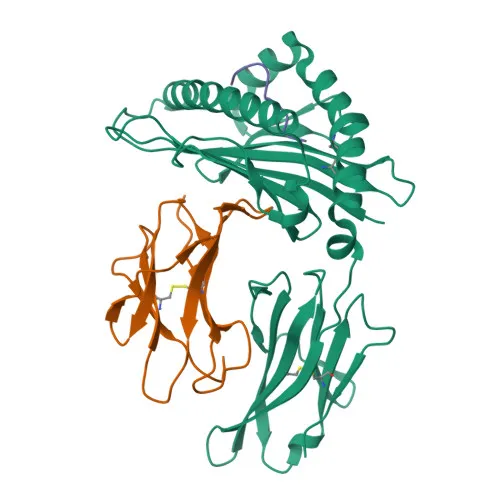
- These membrane-bound glycoproteins consist of a signal peptide, three extracellular domains (α1–α3), a transmembrane helix, and a short cytoplasmic tail; they form heterodimers with beta-2-microglobulin.
- Peptide-loaded MHC class I complexes are transported to the cell surface for inspection by T-cell receptors, enabling detection of intracellular pathogens or tumor antigens.
- Post-translational modifications include N-linked glycosylation, disulfide bond formation, and phosphorylation, which are critical for proper folding, stability, and immune recognition.
- Constitutively expressed on all nucleated cells, with high levels in lymphoid tissues; expression is upregulated by inflammatory cytokines such as interferons.
- The protein molecular weight of the unprocessed precursor is approximately 41.5 kDa (UniProt: 41490 Da), with the mature glycosylated form migrating around 41 kDa.
Experimental Guidance and Technical Tips
- The immunogen (aa 26–301) covers the extracellular region, suggesting the antibody recognizes the native, surface-expressed MHC I molecule without permeabilization.
- For flow cytometry, titrate the antibody on your cell type of interest to determine the optimal staining concentration; typical starting dilution ranges from 1:50 to 1:200.
- Include isotype controls, viability dyes, and Fc receptor blocking (e.g., anti-CD16/CD32) to minimize non-specific binding and accurately gate live cells.
- APC conjugation is bright and photostable; ensure proper compensation controls when designing multi-color panels to avoid spectral overlap.
- Verify reactivity with your mouse strain: the antibody reacts with H-2Kd/H-2Dd haplotypes (e.g., BALB/c, DBA/2); alleles from other haplotypes may show reduced or no binding.
CamelBio: Your One-Stop Sourcing Bridge
CamelBio connects diagnostic manufacturers and research laboratories with validated IVD raw materials, from monoclonal antibodies and recombinant proteins to ancillary reagents. This APC-conjugated anti-H-2Kd/H-2Dd antibody supports flow cytometry applications in immunology, vaccine development, and immuno-oncology. Leverage CamelBio's bulk procurement capabilities and rare-target sourcing expertise to accelerate your assay development from concept to clinic.
Product Datasheet
APC Rabbit anti-Mouse H-2Kd/H-2Dd Monoclonal Antibody for FC - P01902/P01900
REQUEST A QUOTE
Our professional team will reply to you within one business day. Please feel free to contact us!