Monoclonal Antibodies
APC Rabbit anti-Human CD161 Monoclonal Antibody for FC - Q12918
Item Number : CM0004561
Price varies based on specs and customizations
- Application
- FC
- Protein Weight
- 25kDa

Shipping:
Contact us to get shipping details Enjoy On-time Dispatch Guarantee.
Why Choose Us
Easy ordering process, quality products, and dedicated support for your business success.
Core Product Specifications and Parameters
| Parameter | Value |
|---|---|
| Product Name | APC Rabbit anti-Human CD161 mAb |
| Remarks/Alias | NKR; CD161; CLEC5B; NKR-P1; NKRP1A; NKR-P1A; hNKR-P1A |
| Species | Human |
| Gene ID (Human) | 3820 |
| Gene ID | 3820 |
| Immunogen | Recombinant protein; Recombinant fusion protein containing a sequence corresponding to amino acids 67-225 of human CD161 (NP_002249.1). |
| Source | Rabbit |
| Category | Monoclonal Antibodies |
| Application | FC |
| Cross Reactivity | Human |
| SWISS | Q12918 |
| Protein Weight | 25kDa |
| Shipping | Ice bag |
Biological Background: Killer cell lectin-like receptor subfamily B member 1 Function and Localization
- CD161, also known as NKRP1A or KLRB1, is a killer cell lectin-like receptor subfamily B member 1 that acts as an inhibitory receptor on natural killer (NK) cells.
- Activation of CD161 leads to stimulation of acid sphingomyelinase/SMPD1, resulting in elevated intracellular ceramide levels, and also triggers AKT1/PKB and RPS6KA1/RSK1 kinase signaling, enhancing T-cell proliferation induced by anti-CD3.
- CD161 functions as a lectin, binding to the terminal carbohydrate Gal-alpha(1,3)Gal epitope and the N-acetyllactosamine epitope, and interacts with CLEC2D/LLT1 as a ligand to inhibit NK cell-mediated cytotoxicity and interferon-gamma secretion in target cells.
- The receptor localizes to the cell membrane and is characterized as a single-pass type II membrane protein (signal-anchor) with a C-type lectin domain.
- Tissue expression is restricted to a subset of NK cells predominantly found in intestinal epithelium and liver, and it is also present on peripheral blood T-cells, especially those with a memory antigenic phenotype.
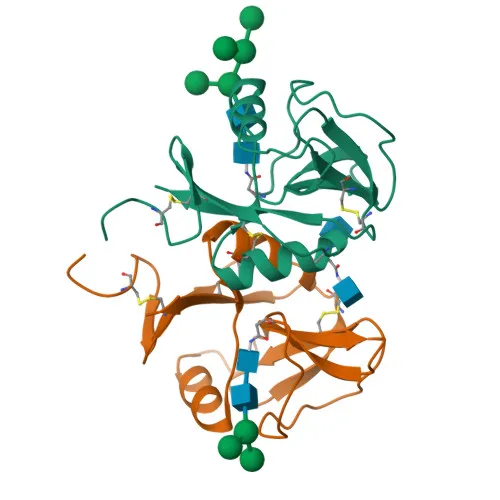
- Post-translational modifications include glycosylation, and the protein contains disulfide bonds essential for its structure; the molecular weight of the unmodified protein is approximately 25.4 kDa.
- Keywords from UniProt: 3D-structure, Disulfide bond, Glycoprotein, Lectin, Membrane, Receptor, Signal-anchor, Transmembrane helix.
Experimental Guidance and Technical Tips
- This APC-conjugated monoclonal antibody is recommended for flow cytometry (FC). Optimize the working concentration by titrating on relevant cell types, such as NK cells or memory T-cells, to achieve optimal signal-to-noise ratio.
- The immunogen corresponds to amino acids 67-225, which lies within the extracellular lectin-like domain. Ensure that the epitope is accessible on the cell surface in your experimental setup.
- Since CD161 is expressed on a subset of NK cells and memory T-cells, include appropriate cell lineage markers in multicolor flow cytometry panels to correctly gate the population of interest.
- Validate antibody performance under your specific conditions (e.g., cell activation states, fixation/permeabilization protocols) as these may affect epitope presentation.
CamelBio: Your One-Stop Sourcing Bridge
CamelBio partners with diagnostic manufacturers and research laboratories to provide a comprehensive portfolio of IVD raw materials, including validated antibody pairs, recombinant proteins, and ancillary reagents. This APC Rabbit anti-Human CD161 mAb is an example of our offering for immunophenotyping and NK cell research, supporting the development of flow cytometry-based diagnostics. Our one-stop sourcing model streamlines procurement—from rare-target antibodies to bulk reagent supply—helping you accelerate assay development from concept to clinic.
REQUEST A QUOTE
Our professional team will reply to you within one business day. Please feel free to contact us!