Monoclonal Antibodies
APC-conjugated Rabbit anti-Mouse Foxp3 Monoclonal Antibody for Flow Cytometry (Intracellular) - Q99JB6
Item Number : CM0012414
Price varies based on specs and customizations
- Application
- FC (intra)
- Cross Reactivity
- Mouse
- Protein Weight
- 47kDa

Shipping:
Contact us to get shipping details Enjoy On-time Dispatch Guarantee.
Why Choose Us
Easy ordering process, quality products, and dedicated support for your business success.
Core Product Specifications and Parameters
| Parameter | Value |
|---|---|
| Product Name | APC Rabbit anti-Mouse Foxp3 mAb |
| Remarks/Alias | sf; JM2; scurfin |
| Species | Mouse |
| GeneID (Human) | 50943 |
| GeneID (Mouse) | 20371 |
| Immunogen | A synthetic peptide corresponding to a sequence within amino acids 1-100 of mouse Foxp3 (NP_473380.1) |
| Source | Rabbit |
| Category | Monoclonal Antibodies |
| Application | FC (intra) |
| Cross Reactivity | Mouse |
| SWISS | Q99JB6 |
| Protein Weight | 47kDa |
| Shipping | Ice bag |
Biological Background: Foxp3 Function and Localization
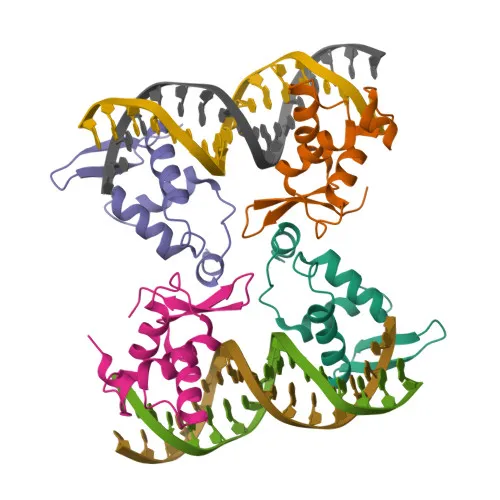
- Foxp3 (Forkhead box protein P3), also known as Scurfin, is a transcription factor of the forkhead/winged-helix family.
- It is a master regulator for the development and suppressive function of regulatory T-cells (Treg), essential for immune homeostasis. Related references: PMID:22813742
- Foxp3 can function as a transcriptional repressor or activator, interacting with histone acetylases/deacetylases and other transcription factors to modulate gene expression. Related references: PMID:15790681 PMID:17377532
- It represses cytokines like IL2 and IFNG, and activates genes such as CTLA4 and TNFRSF18, shaping Treg suppressive activity. Related references: PMID:17377532 PMID:19696312
- Subcellularly, Foxp3 is found in both the nucleus and cytoplasm, consistent with its roles in transcription regulation.
- It undergoes post-translational modifications including acetylation, phosphorylation, and ubiquitination, which regulate its activity and stability.
- High expression of Foxp3 is observed in thymus and spleen, tissues central to T-cell development and function.
- As a zinc-finger protein, Foxp3 binds DNA and metal ions, contributing to its structural and functional properties.
Experimental Guidance and Technical Tips
- The immunogen targets an N-terminal peptide (aa 1-100) of mouse Foxp3; consider verifying specificity for full-length protein variants in your relevant cell system.
- For intracellular flow cytometry, optimize fixation and permeabilization protocols to ensure robust detection of nuclear Foxp3.
- This monoclonal antibody is validated for mouse reactivity only; cross-reactivity with other species has not been tested; include appropriate species-specific controls.
- The APC conjugate allows direct detection; verify detector compatibility and perform compensation as needed.
- Foxp3 is a hallmark of Treg cells; use known markers (e.g., CD4+CD25+) as positive controls and validate in your experimental model.
CamelBio: Your One-Stop Sourcing Bridge
CamelBio provides diagnostic manufacturers and research teams with streamlined access to high-quality IVD raw materials, including this APC-conjugated anti-Foxp3 antibody for Treg-focused immunoassays. Our supply capabilities encompass validated antibody pairs, optimized monoclonal and polyclonal antibodies, bulk ancillary reagents, and sourcing of rare-target raw materials—all designed to support your workflow from concept to clinic. Contact our team for customized procurement solutions tailored to your development needs.
Product Datasheet
APC-conjugated Rabbit anti-Mouse Foxp3 Monoclonal Antibody for Flow Cytometry (Intracellular) - Q99JB6
REQUEST A QUOTE
Our professional team will reply to you within one business day. Please feel free to contact us!