Monoclonal Antibodies
APC Anti-LGR5 Monoclonal Antibody for Flow Cytometry - O75473
Item Number : CM0010757
Price varies based on specs and customizations
- Application
- FC
- Cross Reactivity
- Human
- Protein Weight
- 100kDa

Shipping:
Contact us to get shipping details Enjoy On-time Dispatch Guarantee.
Why Choose Us
Easy ordering process, quality products, and dedicated support for your business success.
Core Product Specifications and Parameters
| Parameter | Value |
|---|---|
| Product Name | APC Rabbit anti-Human LGR5 (GPR49) mAb |
| Remarks/Alias | FEX; HG38; GPR49; GPR67; GRP49 |
| Species | Human |
| Gene ID (Human) | 8549 |
| Gene ID | 8549 |
| Immunogen | Synthetic peptide corresponding to a sequence within amino acids 480-580 of human LGR5 (NP_003658.1) |
| Source | Rabbit |
| Category | Monoclonal Antibodies |
| Application | FC |
| Cross Reactivity | Human |
| SWISS | O75473 |
| Protein Weight | 100kDa |
| Shipping | Ice bag |
Biological Background: LGR5 Function and Localization
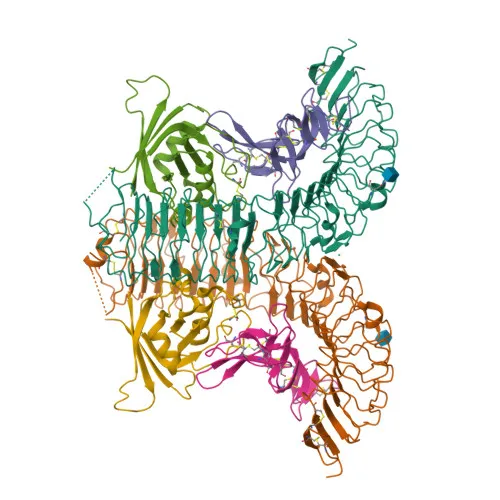
- LGR5 (also known as GPR49, GPR67, or HG38) is a leucine-rich repeat-containing G protein-coupled receptor that serves as a receptor for R-spondins (RSPO1–RSPO4).
- Upon binding to R-spondins, LGR5 potentiates the canonical Wnt signaling pathway by associating with phosphorylated LRP6 and frizzled receptors, thereby increasing expression of Wnt target genes.
- In contrast to classical G protein-coupled receptors, LGR5 does not activate heterotrimeric G proteins to transduce signals.
- LGR5 is a well-established stem cell marker of the intestinal epithelium and hair follicle, playing a critical role in the development and maintenance of adult intestinal stem cells during postembryonic development.
- The receptor is primarily localized at the cell membrane, and also detected in the Golgi apparatus and trans-Golgi network membrane.
- Expression is found in skeletal muscle, placenta, spinal cord, and various brain regions; within the intestine, it marks stem cells at the base of crypts in colonic and small mucosal epithelium, and overexpression is reported in ovarian, colon, and liver cancers.
- Post-translational modifications include N-linked glycosylation and disulfide bond formation. The protein exists in multiple isoforms due to alternative splicing.
Experimental Guidance and Technical Tips
- The immunogen spans amino acids 480–580 of human LGR5, an intracellular region. The APC conjugate allows direct detection by flow cytometry without a secondary antibody.
- For flow cytometry, consider testing both live-cell surface staining and intracellular staining protocols, as epitope accessibility may vary; permeabilization might be required if the antibody-targeted epitope is not exposed on the extracellular surface.
- LGR5 is expressed on stem cell populations; appropriate tissue dissociation into single-cell suspensions and gating on viable cells are recommended for accurate identification of LGR5+ cells.
- Validate the antibody in the relevant experimental system (e.g., human intestinal organoids, cancer cell lines, or primary tissue) using appropriate controls.
CamelBio: Your One-Stop Sourcing Bridge
CamelBio is a comprehensive sourcing partner for IVD raw materials, providing diagnostic manufacturers and research institutions with validated antibodies, bulk ancillary reagents, and rare target raw-material sourcing. For investigators focusing on stem cell biology and Wnt signaling, this anti-LGR5 antibody supports flow cytometry applications. Whether you need optimized monoclonal antibodies, antibody pairs, or technical consultation for custom projects, CamelBio facilitates efficient procurement from concept to clinical application.
REQUEST A QUOTE
Our professional team will reply to you within one business day. Please feel free to contact us!