Monoclonal Antibodies
Anti-ZO-1 Rabbit Monoclonal Antibody for WB, IF/ICC, IF-F, IHC-P, ELISA - P39447
Item Number : CM0005134
Price varies based on specs and customizations
- Application
- WB, IF/ICC, IF-F, IHC-P, ELISA
- Cross Reactivity
- Human, Mouse, Rat
- Protein Weight
- 195 kDa

Shipping:
Contact us to get shipping details Enjoy On-time Dispatch Guarantee.
Why Choose Us
Easy ordering process, quality products, and dedicated support for your business success.
Core Product Specifications and Parameters
| Parameter | Value |
|---|---|
| Product Name | ZO-1 Rabbit mAb |
| Remarks/Alias | ZO1 |
| Species | Mouse |
| GeneID (Human) | 7082 |
| GeneID (Mouse) | 21872 |
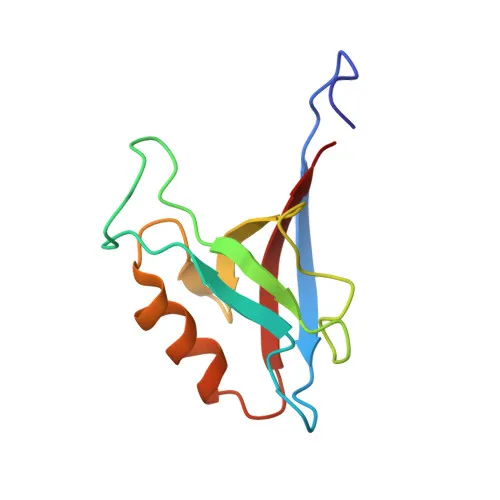
| Immunogen | Recombinant protein | Recombinant fusion protein containing a sequence corresponding to amino acids 1525-1621 of mouse ZO-1 (NP_033412.2). |
| Source | Rabbit |
| Category | Monoclonal Antibodies |
| Application | WB, IF/ICC, IF-F, IHC-P, ELISA |
| Cross Reactivity | Human, Mouse, Rat |
| SWISS | P39447 |
| Protein Weight | 195 kDa |
| Shipping | Ice bag |
Biological Background: ZO-1 Function and Localization
- Tight junction protein 1 (TJP1/ZO-1) is a scaffolding protein that links transmembrane tight junction proteins (claudins, junctional adhesion molecules, occludin) to the actin cytoskeleton, forming the structural basis of epithelial and endothelial barriers.
- Together with Tjp2 and Tjp3, ZO-1 participates in the formation of multistranded condensates that elongate to form the tight junction belt, anchoring at the apical membrane via PATJ and ensuring cell polarity and efficient barrier formation.
- It is essential for lumenogenesis and plays a key role in regulating cell migration by targeting Cdc42bpb to the leading edge, and contributes to podosome formation, cell adhesion, and matrix remodeling.
- ZO-1, along with Tjp2 and Tjp3, is involved in the junctional retention and stability of the transcription factor Dbpa, but not in its nuclear shuttling.
- May mediate cell morphology changes during ameloblast differentiation via its role in tight junctions, as indicated by expression between ameloblasts and in the stratum intermedium during tooth development (PubMed:27015268) Related references: PMID:27015268
- Subcellular localization includes the cell membrane, tight junctions, gap junctions, and cytoplasmic regions such as myofibril sarcomere I bands, reflecting its diverse roles in cell–cell adhesion.
- The protein contains multiple SH3 domains, a calmodulin-binding motif, and undergoes phosphorylation, which regulate its scaffolding functions.
Experimental Guidance and Technical Tips
- For Western blot, a band at approximately 195 kDa is expected; ensure adequate transfer conditions for high-molecular-weight proteins (e.g., low methanol, extended transfer time).
- In immunofluorescence (IF/ICC, IF-F) and immunohistochemistry (IHC-P), optimize fixation and permeabilization protocols for tight junction detection in epithelial or endothelial cell lines or tissue sections.
- The immunogen corresponds to amino acids 1525–1621 (C-terminal region) of mouse ZO-1; consider verifying cross-reactivity with desired species and isoforms if targeting different regions.
- For ELISA, titrate antibody concentration to achieve optimal signal-to-noise ratio, as with any recombinant monoclonal antibody.
CamelBio: Your One-Stop Sourcing Bridge
CamelBio offers diagnostic manufacturers, laboratories, and research institutes a streamlined procurement experience for IVD raw materials, including validated monoclonal antibodies like this anti-ZO-1 clone. With capabilities ranging from antibody pair development to bulk ancillary reagents, CamelBio supports tight junction and cell adhesion research from discovery to clinical application. Contact us to fulfill your specific sourcing needs.
Product Datasheet
Anti-ZO-1 Rabbit Monoclonal Antibody for WB, IF/ICC, IF-F, IHC-P, ELISA - P39447
REQUEST A QUOTE
Our professional team will reply to you within one business day. Please feel free to contact us!