Polyclonal Antibodies
Anti-ZBTB17 Rabbit Polyclonal Antibody for WB, IHC-P, ELISA - Q13105
Item Number : CM0026849
Price varies based on specs and customizations
- Application
- WB, IHC-P, ELISA
- Cross Reactivity
- Human, Mouse, Rat
- Protein Weight
- 88kDa

Shipping:
Contact us to get shipping details Enjoy On-time Dispatch Guarantee.
Why Choose Us
Easy ordering process, quality products, and dedicated support for your business success.
Core Product Specifications and Parameters
| Parameter | Value |
|---|---|
| Product Name | ZBTB17 Rabbit pAb |
| Remarks/Alias | MIZ-1; ZNF60; ZNF151; pHZ-67; ZBTB17 |
| Species | Human |
| GeneID (Human) | 7709 |
| GeneID | 7709 |
| Immunogen | Recombinant fusion protein containing a sequence corresponding to amino acids 121-360 of human ZBTB17 (NP_003434.2). |
| Source | Rabbit |
| Category | Polyclonal Antibodies |
| Application | WB, IHC-P, ELISA |
| Cross Reactivity | Human, Mouse, Rat |
| SWISS | Q13105 |
| Protein Weight | 88kDa |
| Shipping | Ice bag |
Biological Background: ZBTB17 Function and Localization
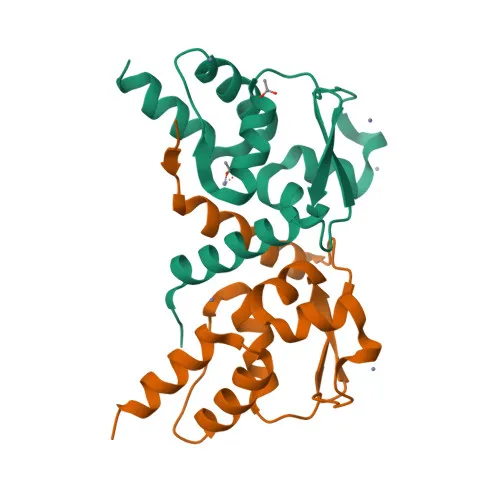
- Zinc finger and BTB domain-containing protein 17 (ZBTB17), also known as Myc-interacting zinc finger protein 1 (Miz-1), ZNF151, or ZNF60. It contains an N-terminal BTB/POZ domain and C-terminal C2H2-type zinc fingers.
- Functions as a transcription factor that can act as an activator or repressor depending on its binding partners. It targets negative regulators of cell cycle progression and has been shown to bind the promoters of adenovirus major late protein and cyclin D1 to activate transcription.
- Plays a critical role in early lymphocyte development by preventing apoptosis in lymphoid precursors, allowing them to survive in response to IL7 and undergo proper lineage commitment.
- Required for early embryonic development during gastrulation.
- Represses RB1 transcription; this repression can be blocked by interaction with ZBTB49 isoform 3.
Related references: PMID:25245946 - Localizes to the nucleus.
- Expressed in germinal center B-cells.
- Undergoes post-translational modifications, including phosphorylation, isopeptide bond formation, and ubiquitin conjugation. Alternative splicing generates multiple isoforms.
Experimental Guidance and Technical Tips
- The immunogen corresponds to amino acids 121–360 within the central region of human ZBTB17, away from the N-terminal BTB domain and C-terminal zinc fingers. This may help generate antibodies that recognize native and denatured forms of the protein.
- For western blotting (WB), the predicted molecular weight is approximately 88 kDa. Due to potential post-translational modifications or alternative splicing, additional bands or shifts may be observed; validate with appropriate controls.
- For immunohistochemistry (IHC-P), consider testing in lymphoid tissues (e.g., tonsil, lymph node) where ZBTB17 is expressed. Optimization of antigen retrieval and antibody dilution is recommended.
- For ELISA, the recombinant immunogen or cell lysates from ZBTB17-expressing cells can be used as positive controls. Cross-reactivity with mouse and rat orthologs has been reported, but sequence homology should be verified for consistent detection.
CamelBio: Your One-Stop Sourcing Bridge
CamelBio is your one-stop partner for IVD raw materials, offering a broad portfolio of antibodies, antigens, and ancillary reagents for transcription factor research and diagnostic development. This anti-ZBTB17 antibody, along with our validated antibody pairs and custom sourcing services, can help streamline your assay development from target discovery to clinical application. Whether you need bulk polyclonal antibodies or rare-target monoclonal development, CamelBio bridges the gap between concept and clinic.
REQUEST A QUOTE
Our professional team will reply to you within one business day. Please feel free to contact us!