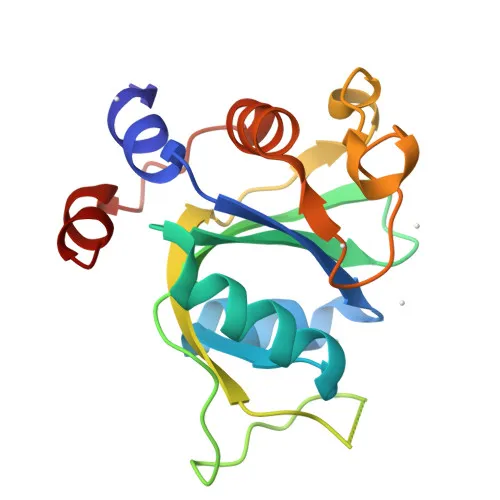
Polyclonal Antibodies
Anti-YTHDC1 Polyclonal Antibody for WB and ELISA - Q96MU7
Item Number : CM0029631
Price varies based on specs and customizations
- Application
- WB, ELISA
- Cross Reactivity
- Human, Mouse, Rat
- Protein Weight
- 85kDa

Shipping:
Contact us to get shipping details Enjoy On-time Dispatch Guarantee.
Why Choose Us
Easy ordering process, quality products, and dedicated support for your business success.
Core Product Specifications and Parameters
| Parameter | Value |
|---|---|
| Product Name | YTHDC1 Rabbit pAb |
| Remarks/Alias | YT521; YT521-B; YTHDC1 |
| Species | Human |
| Gene ID (Human) | 91746 |
| Gene ID | 91746 |
| Immunogen | Recombinant protein |
| Source | Rabbit |
| Category | Polyclonal Antibodies |
| Application | WB, ELISA |
| Cross Reactivity | Human, Mouse, Rat |
| SWISS | Q96MU7 |
| Protein Weight | 85kDa |
| Shipping | Ice bag |
Biological Background: YTHDC1 Function and Localization
- YTHDC1 (YT521-B) is a YTH domain-containing protein that functions as a reader of N6-methyladenosine (m6A) modifications on RNAs and single-stranded DNAs.
- It specifically binds m6A-containing mRNAs and regulates alternative splicing by recruiting splicing factors SRSF3 and SRSF10, thereby influencing exon inclusion or skipping.
Related references: PMID:25242552 PMID:26318451 PMID:26876937 - YTHDC1 also facilitates nuclear export of m6A-modified mRNAs through interactions with SRSF3 and NXF1.
Related references: PMID:28984244 - In the nucleus, YTHDC1 localizes to nuclear speckles, which are sites of pre‑mRNA processing.
- Beyond splicing, it is involved in S‑adenosyl‑L‑methionine homeostasis by regulating MAT2A expression and in Xist‑mediated X chromosome inactivation.
Related references: PMID:27602518 (for Xist) - YTHDC1 also binds m6A‑containing single‑stranded DNA, suggesting broader nucleic acid recognition roles.
Related references: PMID:32663306 - It is essential for germline development, required for spermatogonial development in males and oocyte growth in females, likely through its splicing functions.
- Post‑translational modifications include phosphorylation, isopeptide bond formation, and ubiquitination, as indicated by UniProt keywords.
- Independently of its m6A reader activity, YTHDC1 stabilizes PPARG by preventing its ubiquitin‑mediated degradation, contributing to brown adipose tissue development.
Experimental Guidance and Technical Tips
- The immunogen comprises amino acids 1–74 at the N‑terminus of human YTHDC1; this region may be conserved across species, supporting the observed cross‑reactivity with mouse and rat.
- For Western blot (WB), a band corresponding to approximately 85 kDa (predicted) should be detected. Consider using a 8–10% SDS‑PAGE gel for optimal resolution.
- Due to alternative splicing, multiple isoforms may be observed; validate specificity using appropriate controls or siRNA knockdown in the relevant cell line.
- For ELISA, direct or indirect coating of the recombinant immunogen or cell lysates from human, mouse, or rat origin can be used. Titration of both coating antigen and antibody is recommended.
- Use standard anti‑rabbit secondary antibodies and detection reagents optimized for your imaging or plate reader system.
CamelBio: Your One-Stop Sourcing Bridge
CamelBio provides diagnostic manufacturers and research laboratories with one‑stop access to high‑quality IVD raw materials like this YTHDC1 polyclonal antibody. Whether you need validated antibody pairs, optimized monoclonal/polyclonal antibodies, bulk ancillary reagents, or rare‑target sourcing for RNA modification and splicing research, our supply chain streamlines your path from concept to clinic.
REQUEST A QUOTE
Our professional team will reply to you within one business day. Please feel free to contact us!