Polyclonal Antibodies
Anti-XPNPEP1 Polyclonal Antibody for WB, ELISA - Q9NQW7
Item Number : CM0013806
Price varies based on specs and customizations
- Application
- WB, ELISA
- Cross Reactivity
- Human, Mouse
- Protein Weight
- 70kDa

Shipping:
Contact us to get shipping details Enjoy On-time Dispatch Guarantee.
Why Choose Us
Easy ordering process, quality products, and dedicated support for your business success.
Core Product Specifications and Parameters
| Parameter | Value |
|---|---|
| Product Name | XPNPEP1 Rabbit pAb |
| Remarks/Alias | APP1; SAMP; XPNPEP; XPNPEPL; XPNPEPL1; XPNPEP1 |
| Species | Human |
| Gene ID (Human) | 7511 |
| Gene ID | 7511 |
| Immunogen | Recombinant fusion protein containing a sequence corresponding to amino acids 44-240 of human XPNPEP1 (NP_065116.3). |
| Source | Rabbit |
| Category | Polyclonal Antibodies |
| Application | WB, ELISA |
| Cross Reactivity | Human, Mouse |
| SWISS | Q9NQW7 |
| Protein Weight | 70kDa |
| Shipping | Ice bag |
Biological Background: XPNPEP1 Function and Localization
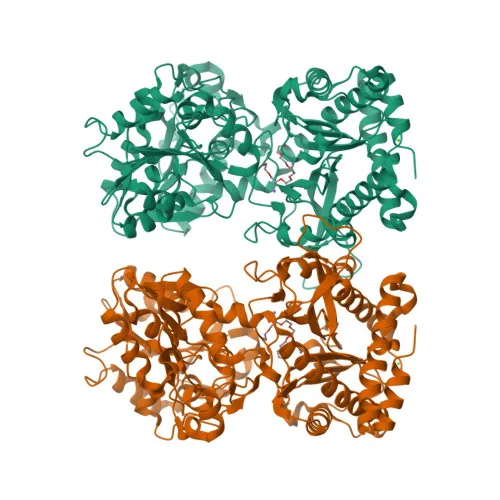
- XPNPEP1 (Xaa-Pro aminopeptidase 1) is a cytosolic metalloaminopeptidase, also referred to as soluble aminopeptidase P (sAmp), aminoacylproline aminopeptidase, or X-prolyl aminopeptidase 1, encoded by the XPNPEP1 gene (alternatively XPNPEPL/XPNPEPL1).
- It catalyzes the removal of a penultimate prolyl residue from the N-termini of peptides, such as Arg-Pro-Pro, playing a key role in peptide hormone processing. Related references: PMID:11106490 PMID:18515364 PMID:35165443
- The enzyme contributes to the degradation of bradykinin, a vasoactive peptide, thereby participating in the regulation of vascular tone and inflammation. Related references: PMID:11106490
- Subcellularly, XPNPEP1 localizes to the cytoplasm and cytosol.
- The protein is expressed ubiquitously across human tissues, with the highest levels detected in the pancreas.
- Post-translational modifications include acetylation, and the enzyme requires manganese ions for its catalytic activity. Alternative splicing yields multiple isoforms.
- Key UniProt keywords: Aminopeptidase, Hydrolase, Metalloprotease, Metal-binding, Manganese, Acetylation, Alternative splicing, Cytoplasm.
Experimental Guidance and Technical Tips
- The antibody was raised against a recombinant protein spanning amino acids 44–240 of human XPNPEP1, a region that likely includes the catalytic domain. For best results, consider using this immunogen sequence for peptide blocking experiments to confirm specificity.
- In western blot (WB) applications, a band around 70 kDa is expected for the full-length protein. Optimize loading controls and lysis buffers to account for the cytosolic localization of XPNPEP1.
- For ELISA, the antibody may be used as a capture or detection reagent. Titration and pairing experiments are recommended to determine optimal working concentrations for sandwich ELISA formats.
- Cross-reactivity with mouse XPNPEP1 is indicated; verify performance and sequence homology if used in mouse models, as polyclonal antibodies can exhibit lot-dependent recognition.
CamelBio: Your One-Stop Sourcing Bridge
CamelBio streamlines your IVD raw material supply chain, offering one-stop access to high-quality antibodies and ancillary reagents for diagnostic development. Whether you need validated antibody pairs, bulk polyclonal antibodies, or specialized raw materials for aminopeptidase research, our portfolio covers the full spectrum from discovery to clinical application. Reach out to our team for custom sourcing solutions and technical consultation.
REQUEST A QUOTE
Our professional team will reply to you within one business day. Please feel free to contact us!