Monoclonal Antibodies
Anti-WIF1 Rabbit Monoclonal Antibody for WB, IF-P, ELISA - Q9Y5W5
Item Number : CM0007194
Price varies based on specs and customizations
- Application
- WB, IF-P, ELISA
- Cross Reactivity
- Human, Mouse
- Protein Weight
- 42kDa

Shipping:
Contact us to get shipping details Enjoy On-time Dispatch Guarantee.
Why Choose Us
Easy ordering process, quality products, and dedicated support for your business success.
Core Product Specifications and Parameters
| Parameter | Value |
|---|---|
| Product Name | WIF1 Rabbit mAb |
| Remarks/Alias | WIF-1; WIF1 |
| Species | Human |
| Gene ID | 11197 |
| Immunogen | Recombinant fusion protein containing a sequence corresponding to amino acids 29-379 of human WIF1 (NP_009122.2) |
| Source | Rabbit |
| Category | Monoclonal Antibodies |
| Application | WB, IF-P, ELISA |
| Cross Reactivity | Human, Mouse |
| SWISS | Q9Y5W5 |
| Protein Weight | 42kDa |
| Shipping | Ice bag |
Biological Background: WIF1 Function and Localization
- WIF1 (Wnt inhibitory factor 1) is a secreted protein that functions as a negative regulator of the Wnt signaling pathway by directly binding to WNT proteins and inhibiting their downstream activities.
- The protein plays a critical role in developmental processes, including mesoderm segmentation, by modulating Wnt gradient formation and signal transduction.
- Structurally, WIF1 contains multiple EGF-like domains and a signal peptide for secretion; it is post-translationally modified by glycosylation and disulfide bond formation.
- As a secreted glycoprotein, WIF1 is localized to the extracellular space and may also be associated with the cell surface or extracellular matrix via interactions with Wnt ligands.
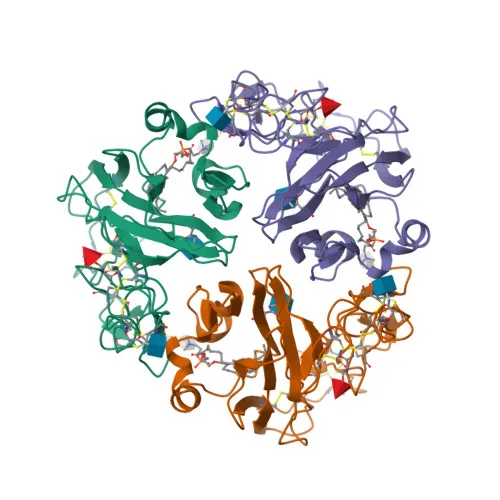
- WIF1 is classified as a developmental protein and a member of the Wnt signaling pathway, identified through proteomics and supported by a 3D structure, underscoring its biological relevance.
- Aberrant WIF1 expression, often due to promoter hypermethylation, is implicated in various cancers, making it a valuable target for cancer research and diagnostic assay development.
Experimental Guidance and Technical Tips
- The immunogen covers amino acids 29–379 (near full‑length human WIF1), so the antibody may preferentially recognize the native conformation over denatured epitopes; validate performance in your specific sample preparation conditions.
- For Western blot, a band around 42 kDa is expected; consider using appropriate reducing agents and heating protocols to account for disulfide‑bonded structures.
- In immunofluorescence (IF‑P), verify optimal fixation and permeabilization methods for secreted or extracellular matrix‑associated proteins, and include appropriate controls.
- For ELISA applications, the antibody can be explored as a capture or detection reagent in sandwich formats, but cross‑reactivity and matrix effects should be assessed with relevant recombinant proteins and biological samples.
- Cross‑reactivity with mouse is reported; confirm detection in mouse tissue or cell lysates, and be aware of potential species‑specific glycosylation or processing differences.
CamelBio: Your One‑Stop Sourcing Bridge
CamelBio supports diagnostic manufacturers and research laboratories by providing one‑stop access to high‑quality IVD raw materials, including this anti‑WIF1 monoclonal antibody for Wnt pathway‑related assay development. We offer validated antibody pairs, bulk ancillary reagents, and rare‑target sourcing capabilities to streamline your workflow from concept to clinic. Tell us your project needs, and our team will help bridge your supply requirements with reliable raw materials and application support.
REQUEST A QUOTE
Our professional team will reply to you within one business day. Please feel free to contact us!