Polyclonal Antibodies
Anti-Vitamin D Binding Protein Rabbit Polyclonal Antibody for WB, ELISA - P02774
Item Number : CM0028263
Price varies based on specs and customizations
- Application
- WB, ELISA
- Cross Reactivity
- Human, Mouse
- Protein Weight
- 53kDa

Shipping:
Contact us to get shipping details Enjoy On-time Dispatch Guarantee.
Why Choose Us
Easy ordering process, quality products, and dedicated support for your business success.
Core Product Specifications and Parameters
| Parameter | Value |
|---|---|
| Product Name | Vitamin D Binding protein Rabbit pAb |
| Remarks/Alias | DBP; VDB; GRD3; VDBG; VDBP; GcMAF; DBP/GC; Gc-MAF; DBP-maf; HEL-S-51; Vitamin D Binding protein |
| Species | Human |
| Gene ID (Human) | 2638 |
| Gene ID | 2638 |
| Immunogen | Recombinant fusion protein containing a sequence corresponding to amino acids 324-493 of human Vitamin D Binding protein (NP_001191236.1). |
| Source | Rabbit |
| Category | Polyclonal Antibodies |
| Application | WB, ELISA |
| Cross Reactivity | Human, Mouse |
| SWISS | P02774 |
| Protein Weight | 53kDa |
| Shipping | Ice bag |
Biological Background: Vitamin D-binding Protein Function and Localization
- Vitamin D-binding protein (DBP), also referred to as Gc-globulin or group-specific component (Gc), is a multifunctional plasma protein encoded by the GC gene, existing in several isoforms due to alternative splicing.
- DBP serves as the primary carrier of vitamin D and its metabolites, playing an essential role in their transport, storage, and bioavailability throughout the body.
- Upon tissue injury, DBP binds and clears extracellular G-actin released from damaged cells, preventing the formation of detrimental actin filaments and maintaining microvascular function.
- In the immune system, DBP enhances the chemotactic activity of complement-derived C5a for neutrophils, and can be post-translationally modified to Gc protein-derived macrophage activating factor (Gc-MAF), a potent macrophage activator.
- Predominantly synthesized in the liver and secreted into the bloodstream, DBP is detected in various physiological fluids including plasma, ascites, cerebrospinal fluid, and urine.
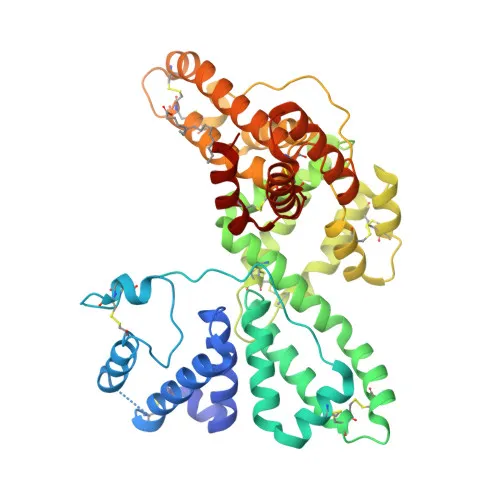
- The mature protein has a molecular weight of approximately 53 kDa (precursor ~52.9 kDa) and features multiple structural domains characteristic of the albumin gene family, along with glycosylation and disulfide bonds.
Experimental Guidance and Technical Tips
- This polyclonal antibody was raised against a recombinant fragment spanning amino acids 324-493 of human DBP; it may recognize epitopes within this C-terminal region.
- For Western blot (WB), consider using protein lysates from human liver tissue or plasma/serum samples as a positive control; the expected band is ~53 kDa. Cross-reactivity with mouse DBP allows parallel testing in murine models, but validation in the relevant species and tissue is advised.
- In ELISA applications, the antibody can be used as a capture or detection reagent; optimal working dilutions and pairing antibodies must be determined experimentally due to polyclonal batch variability.
- Due to its polyclonal nature, lot-specific validation for your specific assay conditions (e.g., sample matrix, detection method) is strongly recommended to ensure consistency.
CamelBio: Your One-Stop Sourcing Bridge
CamelBio specializes in providing diagnostic manufacturers and researchers with a comprehensive range of IVD raw materials, including validated antibody pairs, bulk reagents, and customized sourcing for specialized targets like vitamin D-binding protein. Our integrated supply chain and technical consultation support the development of immunoassays for vitamin D metabolism, immune function, and inflammatory diseases. Partner with CamelBio to streamline your raw-material procurement from early-stage research to regulatory submission.
Product Datasheet
Anti-Vitamin D Binding Protein Rabbit Polyclonal Antibody for WB, ELISA - P02774
REQUEST A QUOTE
Our professional team will reply to you within one business day. Please feel free to contact us!