Polyclonal Antibodies
Anti-βIII-Tubulin (TUBB3) Rabbit Polyclonal Antibody for WB and ELISA - Q13509
Item Number : CM0022127
Price varies based on specs and customizations
- Application
- WB, ELISA
- Cross Reactivity
- Human, Mouse, Rat
- Protein Weight
- 50kDa

Shipping:
Contact us to get shipping details Enjoy On-time Dispatch Guarantee.
Why Choose Us
Easy ordering process, quality products, and dedicated support for your business success.
Core Product Specifications and Parameters
| Parameter | Value |
|---|---|
| Product Name | βIII-Tubulin Rabbit pAb |
| Remarks/Alias | CDCBM; FEOM3; TUBB4; CDCBM1; CFEOM3; beta-4; CFEOM3A; βIII-Tubulin |
| Species | Human |
| GeneID (human) | 10381 |
| GeneID | 10381 |
| Immunogen | Recombinant Protein|Recombinant fusion protein containing a sequence corresponding to amino acids 40-260 of human βIII-Tubulin/β3-Tubulin (NP_006077.2). |
| Source | Rabbit |
| Category | Polyclonal Antibodies |
| Application | WB, ELISA |
| Cross Reactivity | Human, Mouse, Rat |
| SWISS | Q13509 |
| Protein Weight | 50kDa |
| Shipping | Ice bag |
Biological Background: βIII-Tubulin Function and Localization
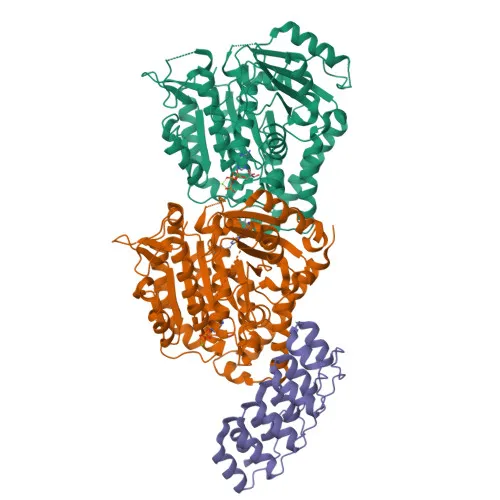
- TUBB3 encodes βIII-tubulin, a neuron-specific β-tubulin isotype that heterodimerizes with α-tubulin to form microtubules—dynamic polymers that rely on GTP binding and hydrolysis for growth and stability.
Related references: PMID:34996871, PMID:38305685, PMID:38609661 - βIII-tubulin is critical for proper axon guidance and maintenance during neuronal development; mutations in TUBB3 are linked to axon guidance disorders and ocular motility defects.
Related references: PMID:20074521 - Netrin-1 (NTN1) signaling via the UNC5C receptor triggers dissociation of UNC5C from polymerized βIII-tubulin, increasing microtubule dynamics and promoting axon repulsion.
Related references: PMID:28483977 - Subcellularly, βIII-tubulin localizes primarily to the cytoplasm and cytoskeleton, with enrichment in growth cones, lamellipodia, and filopodia of extending neurites.
- Expression is largely restricted to the central and peripheral nervous system; however, βIII-tubulin is markedly upregulated in most cancerous tissues, serving as a tumor marker.
- The protein undergoes alternative splicing and phosphorylation, and features several disease-associated variants linked to intellectual disability and other neurodevelopmental conditions.
Experimental Guidance and Technical Tips
- The immunogen (amino acids 40–260 of human βIII-tubulin) is a recombinant fusion protein; this region is unique to the βIII isotype, reducing cross-reactivity with other β-tubulin family members. However, validation in specific sample types is recommended.
- For Western blotting, expect a band at approximately 50 kDa. Pre‑adsorption and appropriate loading controls are advised to confirm specificity, especially in tissues with high tubulin expression.
- The antibody detects human, mouse, and rat βIII-tubulin, making it suitable for cross‑species studies. For ELISA, optimize coating and detection conditions for the best signal‑to‑noise ratio.
CamelBio: Your One-Stop Sourcing Bridge
CamelBio is a specialized IVD raw‑material partner, offering reliable sourcing of antibodies like this βIII‑tubulin polyclonal antibody for neuroscience and oncology research. Our portfolio includes validated antibody pairs, optimized monoclonal and polyclonal reagents, bulk ancillary supplies, and custom rare‑target development, helping diagnostic manufacturers and labs accelerate project timelines from concept to clinical application. Whether you need consistent lot‑to‑lot performance for neuronal biomarker assays or specialized reagents for microtubule studies, CamelBio provides seamless procurement and technical support.
REQUEST A QUOTE
Our professional team will reply to you within one business day. Please feel free to contact us!