Monoclonal Antibodies
Anti-βIII-Tubulin Monoclonal Antibody for IF, IHC, ELISA - Q13509
Item Number : CM0002273
Price varies based on specs and customizations
- Application
- IF-F, IF-P, IHC-P, ELISA
- Cross Reactivity
- Human, Mouse, Rat
- Protein Weight
- 50kDa

Shipping:
Contact us to get shipping details Enjoy On-time Dispatch Guarantee.
Why Choose Us
Easy ordering process, quality products, and dedicated support for your business success.
Core Product Specifications and Parameters
| Parameter | Value |
|---|---|
| Product Name | βIII-Tubulin Mouse mAb |
| Remarks/Alias | CDCBM; FEOM3; TUBB4; CDCBM1; CFEOM3; beta-4; CFEOM3A; [KD Validated] βIII-Tubulin |
| Species | Human |
| GeneID (Human) | 10381 |
| GeneID | 10381 |
| Immunogen | Recombinant protein: Recombinant fusion protein containing a sequence corresponding to amino acids 40-260 of human TUBB3 (Q13509). |
| Source | Mouse |
| Category | Monoclonal Antibodies |
| Application | IF-F, IF-P, IHC-P, ELISA |
| Cross Reactivity | Human, Mouse, Rat |
| SWISS | Q13509 |
| Protein Weight | 50kDa |
| Shipping | Ice bag |
Biological Background: βIII-Tubulin (TUBB3) Function and Localization
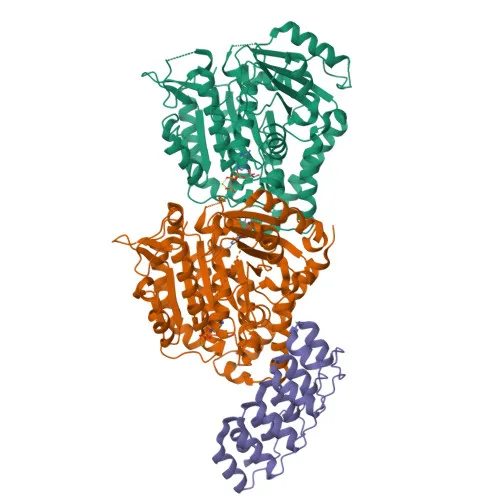
- βIII-Tubulin, encoded by the TUBB3 (TUBB4) gene, is a neuron-specific beta-tubulin isotype that forms heterodimers with alpha-tubulin to assemble microtubules, the major cytoskeletal filaments.
- Microtubules grow by the addition of GTP-tubulin dimers to the plus end, where a stabilizing GTP cap forms; below the cap, alpha-beta tubulin heterodimers are in GDP-bound state due to alpha-tubulin GTPase activity. Related references: PMID:34996871, PMID:38305685, PMID:38609661
- TUBB3 plays a critical role in axon guidance and maintenance; it is involved in dorsal root ganglion axon projection towards the spinal cord. Related references: PMID:20074521, PMID:28483977
- Binding of NTN1/Netrin-1 to its receptor UNC5C might cause dissociation of UNC5C from polymerized TUBB3, leading to increased microtubule dynamics and axon repulsion. Related references: PMID:28483977
- Subcellularly, TUBB3 localizes to the cytoplasm, cytoskeleton, and is enriched in cell projections such as growth cones, lamellipodia, and filopodia.
- Expression is primarily restricted to the central and peripheral nervous system; greatly increased expression is observed in most cancerous tissues.
- The protein features GTP-binding, magnesium binding, and undergoes phosphorylation; it is associated with disease variants linked to intellectual disability and other neurological disorders.
Experimental Guidance and Technical Tips
- The immunogen corresponds to amino acids 40-260 of human TUBB3 (Q13509), a region likely exposed and conserved enough to allow cross-reactivity with mouse and rat, as indicated.
- For immunofluorescence (IF-F, IF-P), consider optimizing fixation and permeabilization conditions, as microtubule antigens may require specific protocols; validate in neuronal cell lines or primary cultures.
- For immunohistochemistry (IHC-P), antigen retrieval may be necessary; test with positive control tissues such as brain or tumor sections.
- For ELISA, the recombinant immunogen can serve as a positive control; use appropriate blocking and detection steps.
CamelBio: Your One-Stop Sourcing Bridge
CamelBio is your one-stop IVD raw-material sourcing partner, offering validated antibody pairs, optimized monoclonal/polyclonal antibodies, bulk ancillary reagents, and rare target sourcing. This βIII-Tubulin antibody exemplifies our support for neuroscience and oncology research, bridging your assay development needs from concept to clinic with reliable, high-quality materials.
REQUEST A QUOTE
Our professional team will reply to you within one business day. Please feel free to contact us!