Polyclonal Antibodies
Anti-VHL Rabbit Polyclonal Antibody for WB, IHC-P, IF/ICC, ELISA - P40337
Item Number : CM0017122
Price varies based on specs and customizations
- Application
- WB, IHC-P, IF/ICC, ELISA
- Cross Reactivity
- Human, Mouse, Rat
- Protein Weight
- 24kDa

Shipping:
Contact us to get shipping details Enjoy On-time Dispatch Guarantee.
Why Choose Us
Easy ordering process, quality products, and dedicated support for your business success.
Core Product Specifications and Parameters
| Parameter | Value |
|---|---|
| Product Name | VHL Rabbit pAb |
| Remarks/Alias | RCA1; VHL1; pVHL; HRCA1; VHL |
| Species | Human |
| GeneID (Human) | 7428 |
| GeneID | 7428 |
| Immunogen | Synthetic peptide corresponding to a sequence within amino acids 87-186 of human VHL (NP_000542.1) |
| Source | Rabbit |
| Category | Polyclonal Antibodies |
| Application | WB, IHC-P, IF/ICC, ELISA |
| Cross Reactivity | Human, Mouse, Rat |
| SWISS | P40337 |
| Protein Weight | 24kDa |
| Shipping | Ice bag |
Biological Background: VHL Function and Localization
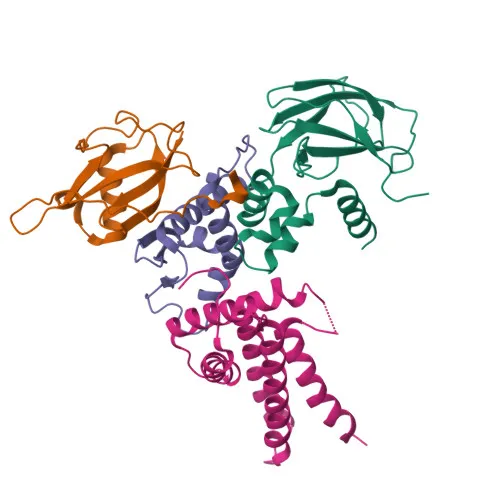
- The von Hippel-Lindau tumor suppressor protein (pVHL) is a component of the VHL E3 ubiquitin ligase complex, playing a central role in oxygen-dependent proteasomal degradation of target proteins. Related references: PMID:10944113 PMID:17981124
- Under normoxic conditions, pVHL specifically recruits hydroxylated hypoxia-inducible factor (HIF) subunits, marking them for ubiquitination and subsequent degradation, thereby regulating the cellular response to oxygen availability. Related references: PMID:10944113 PMID:17981124
- Beyond HIF regulation, pVHL ubiquitinates ADRB2 in an oxygen-responsive manner and acts as a negative regulator of mTORC1 by promoting ubiquitination and degradation of RPTOR. Related references: PMID:19584355 PMID:34290272
- pVHL also participates in transcriptional repression through interactions with HIF1A, HIF1AN, and histone deacetylases. Related references: PMID:10944113 PMID:17981124
- The protein localizes to multiple subcellular compartments including the cytoplasm, nucleus, cell membrane, and endoplasmic reticulum, consistent with its diverse functional roles.
- VHL is predominantly expressed in the adult and fetal brain and kidney, with important implications for disease pathology in these tissues.
- Multiple isoforms are generated through alternative initiation and splicing, and mutations in the VHL gene are associated with von Hippel-Lindau disease, congenital erythrocytosis, and various cancers.
Experimental Guidance and Technical Tips
- The immunogen peptide (amino acids 87–186) is conserved across human, mouse, and rat VHL, supporting the reported cross-reactivity. Confirm sequence alignment if using other species.
- For Western blot, a band around 24 kDa is expected; use lysates from human, mouse, or rat cell lines (e.g., HeLa, HEK293, or kidney tissue) as positive controls.
- Immunohistochemistry and immunofluorescence may require optimized antigen retrieval and antibody dilution; consider testing a dilution series in your specific sample system.
- This polyclonal antibody is suitable for ELISA applications; when developing sandwich assays, validate pairing with a compatible capture or detection antibody.
CamelBio: Your One-Stop Sourcing Bridge
CamelBio empowers diagnostic manufacturers, labs, and research institutes with streamlined access to premium IVD raw materials, including this anti-VHL antibody for tumor suppressor and hypoxia pathway research. Our portfolio encompasses validated antibody pairs, optimized monoclonal and polyclonal antibodies, and bulk ancillary reagents—all tailored to accelerate your assay development. Whether you need standard catalog antibodies or assistance sourcing rare targets, CamelBio is your reliable partner from concept to clinic.
Product Datasheet
Anti-VHL Rabbit Polyclonal Antibody for WB, IHC-P, IF/ICC, ELISA - P40337
REQUEST A QUOTE
Our professional team will reply to you within one business day. Please feel free to contact us!