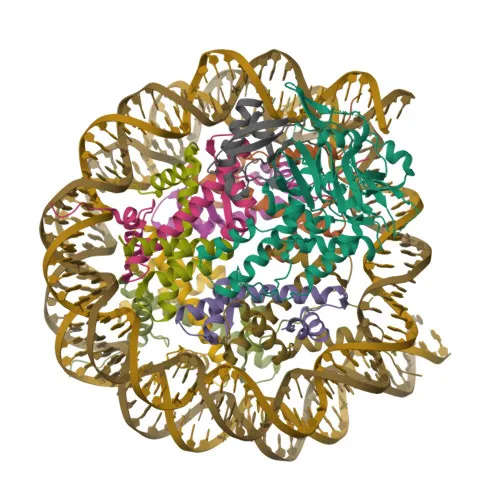
Polyclonal Antibodies
Anti-USP16 Rabbit Polyclonal Antibody for WB, ELISA - Q9Y5T5
Item Number : CM0029938
Price varies based on specs and customizations
- Application
- WB, ELISA
- Cross Reactivity
- Human, Mouse, Rat, Monkey
- Protein Weight
- 94kDa

Shipping:
Contact us to get shipping details Enjoy On-time Dispatch Guarantee.
Why Choose Us
Easy ordering process, quality products, and dedicated support for your business success.
Core Product Specifications and Parameters
| Parameter | Value |
|---|---|
| Product Name | USP16 Rabbit pAb |
| Remarks/Alias | UBPM; UBP-M; USP16 |
| Species | Human |
| GeneID (human) | 10600 |
| GeneID | 10600 |
| Immunogen | Recombinant fusion protein containing a sequence corresponding to amino acids 1-280 of human USP16 (NP_001001992.1). |
| Source | Rabbit |
| Category | Polyclonal Antibodies |
| Application | WB, ELISA |
| Cross Reactivity | Human, Mouse, Rat, Monkey |
| SWISS | Q9Y5T5 |
| Protein Weight | 94kDa |
| Shipping | Ice bag |
Biological Background: USP16 Function and Localization
- USP16 (Ubiquitin carboxyl-terminal hydrolase 16) is a deubiquitinating enzyme that specifically removes monoubiquitin from 'Lys-120' of histone H2A (H2AK119Ub), a key epigenetic mark for transcriptional repression. Related references: PMID:17914355
- This H2A deubiquitination is a prerequisite for phosphorylation of histone H3 at Ser-11 (H3S10ph) and is essential for proper chromosome segregation during mitosis. Related references: PMID:17914355
- In resting B- and T-lymphocytes, phosphorylation by AURKB enhances USP16 activity to sustain transcription; it also regulates Hox gene expression through histone H2A deubiquitination, preferring nucleosomal substrates without affecting histone H2B. Related references: PMID:17914355
- Beyond histones, USP16 deubiquitinates ribosomal protein RPS27A to facilitate 40S ribosomal subunit maturation. Related references: PMID:32129764
- USP16 also promotes stability of tektin proteins (TEKT1-5) by removing their ubiquitin modifications.
- The protein is localized in both the nucleus and cytoplasm, widely expressed in fetal and adult tissues, and contains a zinc-finger domain with potential phosphorylation sites.
Experimental Guidance and Technical Tips
- The polyclonal antibody was raised against a fragment encompassing amino acids 1-280 of human USP16, which may recognize epitopes in the N-terminal region; cross-reactivity with mouse, rat, and monkey suggests sequence conservation in this domain.
- For Western blot (WB), consider using a dilution range of 1:500–1:2000 and validate with appropriate positive and negative controls; the expected band is approximately 94 kDa, but post-translational modifications or isoforms could produce additional bands.
- In ELISA, this antibody can be used as a capture or detection reagent; optimization of coating concentrations and blocking conditions is recommended.
- The antibody's polyclonal nature means it may exhibit lot-to-lot variability; it is advisable to titrate each new lot and include a loading control when quantifying target expression.
- As USP16 functions in both nucleus and cytoplasm, appropriate subcellular fractionation may be required to confirm localization-specific expression in your sample system.
CamelBio: Your One-Stop Sourcing Bridge
CamelBio partners with diagnostic manufacturers, labs, and research institutes to provide one-stop access to IVD raw materials. This anti-USP16 polyclonal antibody supports studies in chromatin regulation and cell cycle control, and CamelBio can supply validated antibody pairs, optimized monoclonal/polyclonal antibodies, bulk ancillary reagents, and rare target raw-material sourcing to accelerate your assay development from concept to clinic.
REQUEST A QUOTE
Our professional team will reply to you within one business day. Please feel free to contact us!