Monoclonal Antibodies
Anti-USP14 Monoclonal Antibody for WB, IP, ELISA - P54578
Item Number : CM0003579
Price varies based on specs and customizations
- Application
- WB, IP, ELISA
- Cross Reactivity
- Human, Mouse, Rat
- Protein Weight
- 56kDa

Shipping:
Contact us to get shipping details Enjoy On-time Dispatch Guarantee.
Why Choose Us
Easy ordering process, quality products, and dedicated support for your business success.
Core Product Specifications and Parameters
| Parameter | Value |
|---|---|
| Product Name | USP14 Rabbit mAb |
| Remarks/Alias | TGT; Ubp6; USP14 |
| Species | Human |
| GeneID (Human) | 9097 |
| GeneID | 9097 |
| Immunogen | Recombinant fusion protein containing a sequence corresponding to amino acids 371-473 of human USP14 (P54578). |
| Source | Rabbit |
| Category | Monoclonal Antibodies |
| Application | WB, IP, ELISA |
| Cross Reactivity | Human, Mouse, Rat |
| SWISS | P54578 |
| Protein Weight | 56kDa |
| Shipping | Ice bag |
Biological Background: USP14 Function and Localization
- Also known as Deubiquitinating enzyme 14, Ubiquitin thioesterase 14, or Ubiquitin-specific-processing protease 14, USP14 is encoded by the USP14 gene (alternative name TGT).
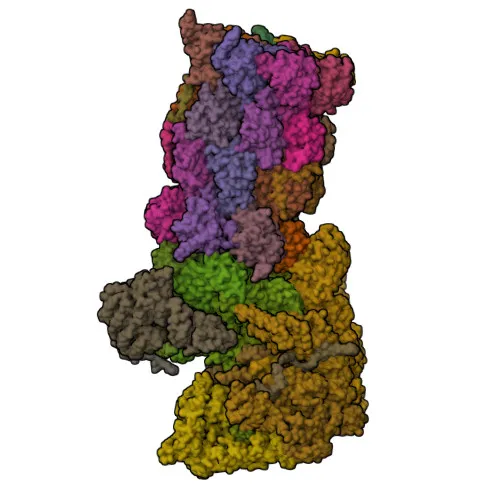
- It functions as a proteasome-associated deubiquitinase that releases ubiquitin from proteasome-targeted ubiquitinated proteins (PubMed:35145029) and ensures regeneration of ubiquitin at the proteasome (PubMed:18162577, PubMed:28396413).
Related references:
PMID:35145029 PMID:18162577 PMID:28396413 - USP14 is required for the degradation of the chemokine receptor CXCR4, a process critical for CXCL12-induced cell chemotaxis (PubMed:19106094).
Related references:
PMID:19106094 - Under non-stressed conditions, USP14 acts as a physiological inhibitor of endoplasmic reticulum-associated degradation (ERAD) by inhibiting the degradation of unfolded ER proteins via interaction with ERN1 (PubMed:19135427).
Related references:
PMID:19135427 - In the innate immune system, USP14 stabilizes the viral DNA sensor CGAS, thereby inhibiting its autophagic degradation and contributing to antiviral defense (PubMed:27666593).
Related references:
PMID:27666593 - It negatively regulates H3K9me2 and H3K9me3 epigenetic marks by inhibiting OPTN-mediated selective autophagic degradation of the demethylase KDM4D (PubMed:35145029).
Related references:
PMID:35145029 - USP14 is essential for synaptic development and function at neuromuscular junctions (NMJs) (By similarity).
- Subcellular localization includes the cytoplasm and cell membrane, consistent with its proteasome-associated and membrane-proximal signaling roles. Additionally, USP14 is subject to acetylation, phosphorylation, and alternative splicing, which may regulate its activity and interactions.
Experimental Guidance and Technical Tips
- The immunogen corresponds to amino acids 371-473 of human USP14, covering a C-terminal region. When using this monoclonal antibody, confirm that the epitope is preserved under your experimental conditions (e.g., denaturing vs. native).
- For western blotting (WB), USP14 has a predicted molecular weight of 56 kDa. Due to potential post-translational modifications (e.g., phosphorylation, acetylation), you may observe a slightly shifted band; validate using appropriate controls.
- In immunoprecipitation (IP), pre-clearing and optimization of antibody concentration are recommended to reduce non-specific binding, especially given the monoclonal nature of the antibody.
- The antibody shows cross-reactivity with mouse and rat USP14, making it suitable for studies in rodent models. However, always verify performance in your specific tissue or cell line.
- For ELISA applications, consider direct vs. sandwich setup and titrate the antibody to determine the optimal working concentration.
CamelBio: Your One-Stop Sourcing Bridge
CamelBio provides diagnostic manufacturers, laboratories, and research institutes with a comprehensive range of IVD raw materials and technical support, streamlining development from concept to clinical application. For researchers studying proteasome biology, ubiquitin pathways, or innate immunity, CamelBio offers validated antibody pairs, optimized monoclonal/polyclonal antibodies, bulk ancillary reagents, and specialized sourcing for rare targets like USP14. Partner with us to accelerate your assay development with reliable, high-quality raw materials.
REQUEST A QUOTE
Our professional team will reply to you within one business day. Please feel free to contact us!