Polyclonal Antibodies
Anti-UQCRB Rabbit Polyclonal Antibody for WB, ELISA - P14927
Item Number : CM0017640
Price varies based on specs and customizations
- Application
- WB, ELISA
- Cross Reactivity
- Human, Mouse, Rat
- Protein Weight
- 14kDa

Shipping:
Contact us to get shipping details Enjoy On-time Dispatch Guarantee.
Why Choose Us
Easy ordering process, quality products, and dedicated support for your business success.
Core Product Specifications and Parameters
| Parameter | Value |
|---|---|
| Product Name | UQCRB Rabbit pAb |
| Remarks/Alias | QPC; QCR7; QP-C; UQBC; UQBP; UQPC; UQCR6; MC3DN3; UQCRB |
| Species | Human |
| GeneID (Human) | 7381 |
| GeneID | 7381 |
| Immunogen | Recombinant fusion protein containing a sequence corresponding to amino acids 1-111 of human UQCRB (NP_006285.1) |
| Source | Rabbit |
| Category | Polyclonal Antibodies |
| Application | WB, ELISA |
| Cross Reactivity | Human, Mouse, Rat |
| SWISS | P14927 |
| Protein Weight | 14kDa |
| Shipping | Ice bag |
Biological Background: UQCRB Function and Localization
- UQCRB encodes the cytochrome b-c1 complex subunit 7, also known as complex III subunit 7, QP-C, or ubiquinol-cytochrome c reductase complex 14 kDa protein.
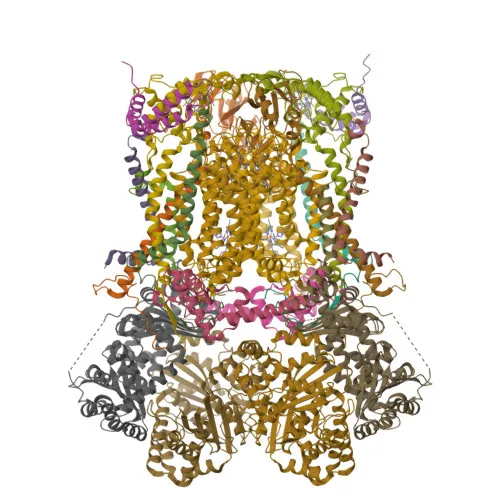
- It is a core component of the mitochondrial respiratory chain complex III (ubiquinol-cytochrome c oxidoreductase), which catalyzes electron transfer from ubiquinol to cytochrome c and contributes to proton translocation across the inner mitochondrial membrane.
- The Q cycle mechanism consumes two protons from the matrix and releases four protons into the intermembrane space per two electrons transferred, establishing the proton gradient for ATP synthesis.
- This protein localizes to the mitochondrial inner membrane as part of a multisubunit transmembrane complex.
- Post-translational modifications include acetylation, and alternative splicing generates multiple isoforms.
- Dysfunction in UQCRB is associated with primary mitochondrial disease and respiratory chain disorders.
- The protein has a molecular weight of approximately 13.5 kDa (UniProt) but migrates at around 14 kDa on SDS-PAGE.
Experimental Guidance and Technical Tips
- For Western blotting, expect a band around 14 kDa. Use appropriate positive controls such as mitochondrial fractions or UQCRB-overexpressing cell lysates.
- For ELISA, validate with recombinant antigen or cell lysates and optimize coating and detection conditions.
- Since the antibody cross-reacts with human, mouse, and rat, it can be used across these species; nevertheless, confirm specificity and adjust conditions as needed.
- Using reducing conditions for SDS-PAGE is recommended, as UQCRB may be involved in disulfide bond formation.
- The immunogen covers the full-length human UQCRB (amino acids 1-111); thus, the antibody may recognize multiple isoforms or cleavage products. Confirm specificity with knockout or siRNA knockdown controls where available.
CamelBio: Your One-Stop Sourcing Bridge
CamelBio provides diagnostic manufacturers and researchers with a streamlined source for high-quality UQCRB antibodies and reagents, supporting mitochondrial disease and respiratory chain studies. Our comprehensive portfolio includes validated antibody pairs, bulk recombinant proteins, and ancillary reagents to accelerate IVD development. Leverage CamelBio's expertise to secure reliable raw materials, technical consulting, and custom sourcing solutions for your clinical assay needs.
REQUEST A QUOTE
Our professional team will reply to you within one business day. Please feel free to contact us!