Polyclonal Antibodies
Anti-ULK1/ULK2 Polyclonal Antibody for WB, ELISA - O75385 / Q8IYT8
Item Number : CM0024642
Price varies based on specs and customizations
- Application
- WB, ELISA
- Cross Reactivity
- Human

Shipping:
Contact us to get shipping details Enjoy On-time Dispatch Guarantee.
Why Choose Us
Easy ordering process, quality products, and dedicated support for your business success.
Core Product Specifications and Parameters
| Parameter | Value |
|---|---|
| Product Name | ULK1/ULK2 Rabbit pAb |
| Species | Human |
| GeneID (Human) | 8408/9706 |
| Immunogen | Recombinant fusion protein containing a sequence corresponding to amino acids 1-283 of human ULK1/ULK2 (NP_003556.1) |
| Source | Rabbit |
| Category | Polyclonal Antibodies |
| Application | WB, ELISA |
| Cross Reactivity | Human |
| SWISS | O75385/Q8IYT8 |
| Shipping | Ice bag |
Biological Background: ULK1 Function and Localization
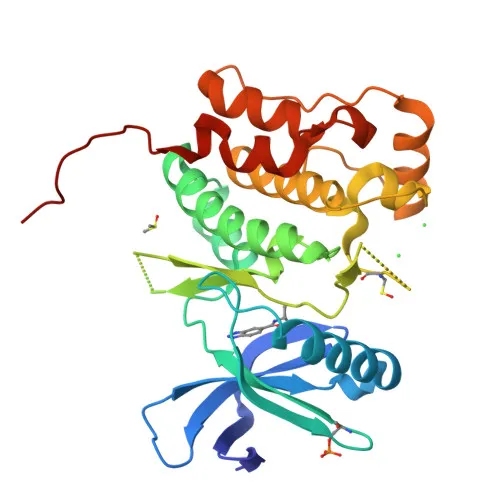
- ULK1 is a serine/threonine kinase essential for autophagy initiation, acting upstream of the PI3K complex to regulate autophagophore formation in response to nutrient deprivation. Related references: PMID:18936157, PMID:21460634, PMID:21795849
- It participates in feedback loops with mTORC1 and AMPK, both regulating and being regulated by these energy-sensing pathways to fine-tune autophagy. Related references: PMID:21795849, PMID:21460634
- ULK1 phosphorylates multiple downstream targets, including AMBRA1, ATG4B, FLCN, SESN2, and SQSTM1, to coordinate autophagosome nucleation, elongation, and cargo recognition. Related references: PMID:20921139, PMID:28821708, PMID:25126726, PMID:25040165, PMID:37306101
- Beyond autophagy, ULK1 plays a role in early neuronal differentiation and is required for granule cell axon formation. Related references: PMID:11146101
- ULK1 is located primarily in the cytoplasm and cytosol, and it translocates to preautophagosomal structures upon autophagy induction.
- It is ubiquitously expressed in adult tissues, with detectable levels in skeletal muscle, heart, pancreas, brain, placenta, liver, kidney, and lung.
- The antibody targets a conserved N-terminal region (aa 1–283) and recognizes both ULK1 and its homolog ULK2 (Q8IYT8), enabling comprehensive detection of ULK family kinases.
Experimental Guidance and Technical Tips
- The immunogen includes the N-terminal kinase domain (aa 1–283), which is critical for catalytic activity. This design may allow detection of both total and phosphorylated ULK1/ULK2, but phosphorylation-state specificity should be validated experimentally.
- For Western blot, consider using whole-cell lysates from human cell lines under autophagy-stimulating conditions (e.g., amino acid starvation or rapamycin treatment) to observe changes in protein expression or mobility shift.
- ELISA protocols may require optimization of coating antigen concentration, blocking buffers, and antibody dilution to achieve optimal signal-to-noise ratios.
- Because cross-reactivity is reported only for human, validate the antibody in the appropriate sample matrix if using human-derived samples in your assay system.
CamelBio: Your One-Stop Sourcing Bridge
CamelBio provides diagnostic manufacturers, labs, and research institutes with one-stop access to IVD raw materials, technical services, and consulting—covering every stage from concept to clinic. This antibody against ULK1/ULK2 supports autophagy-focused assay development in oncology, neurodegeneration, and metabolic disease research. CamelBio can supply validated antibody pairs, optimized monoclonal/polyclonal antibodies, bulk ancillary reagents, and rare target raw-material sourcing to accelerate your IVD pipeline.
REQUEST A QUOTE
Our professional team will reply to you within one business day. Please feel free to contact us!