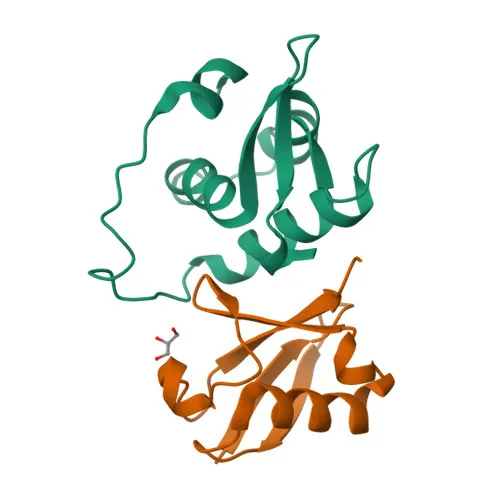
Monoclonal Antibodies
Anti-Ubiquitin Rabbit Monoclonal Antibody for WB, IHC-P, ELISA - P0CG47
Item Number : CM0002531
Price varies based on specs and customizations
- Application
- WB, IHC-P, ELISA
- Cross Reactivity
- Human, Mouse, Rat, Other (Wide Range Predicted)
- Protein Weight
- 26kDa

Shipping:
Contact us to get shipping details Enjoy On-time Dispatch Guarantee.
Why Choose Us
Easy ordering process, quality products, and dedicated support for your business success.
Core Product Specifications and Parameters
| Parameter | Value |
|---|---|
| Product Name | Ubiquitin Rabbit mAb |
| Remarks/Alias | HEL-S-50; Ubiquitin |
| Species | Human |
| Gene ID (Human) | 7314 |
| Gene ID | 7314 |
| Immunogen | Recombinant fusion protein containing a sequence corresponding to amino acids 1-228 of human Ubiquitin (AAH46123.1) |
| Source | Rabbit |
| Category | Monoclonal Antibodies |
| Application | WB, IHC-P, ELISA |
| Cross Reactivity | Human, Mouse, Rat, Other (Wide Range Predicted) |
| SWISS | P0CG47 |
| Protein Weight | 26kDa |
| Shipping | Ice bag |
Biological Background: Polyubiquitin-B Function and Localization
- Polyubiquitin-B, encoded by the UBB gene, is a ubiquitin precursor that yields multiple ubiquitin units upon processing.
- Ubiquitin exists either covalently attached to target proteins (monoubiquitin or polyubiquitin chains) or free (unanchored); polyubiquitin chains are linked via different Lys residues (e.g., Lys-6, Lys-11, Lys-29, Lys-33, Lys-48, Lys-63) or via the initiator Met, each with distinct cellular functions.
- Lys-48-linked polyubiquitin chains target proteins for proteasomal degradation, while Lys-63-linked chains mediate non-degradative signaling such as endocytosis, DNA-damage response, and NF-kappa-B activation.
- Other linkage types include: Lys-6 (DNA repair), Lys-11 (ERAD and cell-cycle regulation), Lys-29 (proteotoxic stress response and cell cycle), Lys-33 (kinase modification), and linear chains (cell signaling).
- Unanchored free polyubiquitin also functions in protein kinase activation and signaling pathways.
- Ubiquitin is predominantly localized in the cytoplasm and nucleus, and is also found on the mitochondrial outer membrane.
- Post-translational modifications of ubiquitin include phosphorylation and ADP-ribosylation.
Experimental Guidance and Technical Tips
- This antibody was generated using a recombinant fusion protein covering full-length human ubiquitin (aa 1-228), which includes all key residues for recognition of both monomeric and polyubiquitin forms.
- For Western blot (WB), the predicted molecular weight is 26 kDa; however, due to ubiquitin conjugation to various targets, a range of bands at higher molecular weights may be observed, reflecting polyubiquitinated proteins.
- When performing immunohistochemistry (IHC-P), consider using a standard antigen retrieval method and validate staining specificity with appropriate positive and negative control tissues.
- The antibody’s reactivity with a wide range of species (predicted) suggests conserved epitopes; verify cross-reactivity in the specific experimental system if using species other than human, mouse, or rat.
- For ELISA applications, the recombinant immunogen can serve as a positive control to establish assay sensitivity and specificity.
CamelBio: Your One-Stop Sourcing Bridge
CamelBio provides diagnostic manufacturers, research laboratories, and IVD developers with one-stop access to high-quality raw materials, including validated monoclonal and polyclonal antibodies, antigen proteins, and ancillary reagents. For ubiquitin-proteasome pathway research, CamelBio offers this anti-ubiquitin rabbit mAb alongside comprehensive sourcing support for rare targets, bulk custom orders, and technical consulting—streamlining your transition from concept to clinic.
Product Datasheet
Anti-Ubiquitin Rabbit Monoclonal Antibody for WB, IHC-P, ELISA - P0CG47
REQUEST A QUOTE
Our professional team will reply to you within one business day. Please feel free to contact us!