Monoclonal Antibodies
Anti-UAP1 Rabbit Monoclonal Antibody for WB, IF/ICC, ELISA - Q16222
Item Number : CM0010899
Price varies based on specs and customizations
- Application
- WB, IF/ICC, ELISA
- Cross Reactivity
- Human, Mouse, Rat
- Protein Weight
- 59kDa

Shipping:
Contact us to get shipping details Enjoy On-time Dispatch Guarantee.
Why Choose Us
Easy ordering process, quality products, and dedicated support for your business success.
Core Product Specifications and Parameters
| Parameter | Value |
|---|---|
| Product Name | UAP1 Rabbit mAb |
| Remarks/Alias | AGX; AGX1; AGX2; SPAG2; UAP1 |
| Species | Human |
| GeneID (Human) | 6675 |
| GeneID | 6675 |
| Immunogen | Synthetic Peptide | A synthetic peptide corresponding to a sequence within amino acids 400-500 of human UAP1 (Q16222). |
| Source | Rabbit |
| Category | Monoclonal Antibodies |
| Application | WB, IF/ICC, ELISA |
| Cross Reactivity | Human, Mouse, Rat |
| SWISS | Q16222 |
| Protein Weight | 59kDa |
| Shipping | Ice bag |
Biological Background: UAP1 Function and Localization
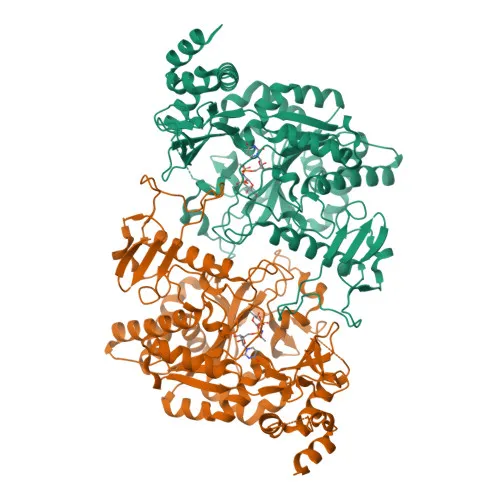
- UDP-N-acetylhexosamine pyrophosphorylase (UAP1), also known as AGX, catalyzes the terminal step in UDP-GlcNAc biosynthesis by converting UTP and GlcNAc-1-P to UDP-GlcNAc, a key sugar nucleotide for glycosylation. It also synthesizes UDP-GalNAc from GalNAc-1-P. Related references: PMID:9603950, PMID:9765219
- UAP1 acts as a regulator of innate immunity by mediating the pyrophosphorylation of IRF3 at Ser-386 following TBK1 phosphorylation, thereby promoting IRF3 dimerization and activation of type I interferon responses. Related references: PMID:36603579
- Two major isoforms exist through alternative splicing: AGX1, which prefers galactosamine 1-phosphate, and AGX2, which is more active toward glucosamine 1-phosphate.
- The protein localizes to the cytoplasm, specifically the cytosol, consistent with its metabolic and signaling roles.
- Widely expressed across tissues, with lower levels in placenta, muscle, and liver. Isoform expression is tissue-specific: AGX1 predominates in testis, while AGX2 is more abundant in somatic tissues.
- Post-translational modifications and additional functions are reflected in keywords including "alternative splicing", "transferase", and "innate immunity".
Experimental Guidance and Technical Tips
- The immunogen is a synthetic peptide corresponding to amino acids 400-500 of human UAP1 (Q16222). This design may provide high specificity and work well for denaturing methods like Western blot and ELISA.
- For Western blot, the predicted molecular weight is 59 kDa; consider using appropriate controls to confirm band identity.
- In immunofluorescence/ICC, the cytoplasmic localization of UAP1 may require optimization of fixation and permeabilization conditions to achieve clear staining.
- Due to cross-reactivity with mouse and rat, this antibody may be suitable for studies in rodent models, but validation in the relevant sample system is recommended.
- ELISA protocols may be designed using the antibody as a capture or detection reagent, but optimal dilutions should be determined empirically.
CamelBio: Your One-Stop Sourcing Bridge
CamelBio provides diagnostic manufacturers, laboratories, and research institutes with one-stop access to IVD raw materials, from concept to clinical application. This anti-UAP1 rabbit monoclonal antibody is part of our expanding portfolio for metabolism, glycosylation, and innate immunity research. We offer validated antibody pairs, optimized monoclonal and polyclonal antibodies, bulk ancillary reagents, and customized rare-target sourcing to accelerate your assay development and kit manufacturing needs.
REQUEST A QUOTE
Our professional team will reply to you within one business day. Please feel free to contact us!