Monoclonal Antibodies
Anti-Tyrosine Hydroxylase Monoclonal Antibody for WB, IF, IHC-P, and ELISA - P07101
Item Number : CM0005365
Price varies based on specs and customizations
- Application
- WB, IF/ICC, IF-F, IF-P, IHC-P, ELISA
- Cross Reactivity
- Human, Mouse, Rat
- Protein Weight
- 45-59 kDa

Shipping:
Contact us to get shipping details Enjoy On-time Dispatch Guarantee.
Why Choose Us
Easy ordering process, quality products, and dedicated support for your business success.
Core Product Specifications and Parameters
| Parameter | Value |
|---|---|
| Product Name | Tyrosine Hydroxylase Mouse mAb |
| Remarks/Alias | TYH; DYT14; DYT5b |
| Species | Human |
| GeneID | 7054 |
| Immunogen | A synthesized peptide derived from human Tyrosine Hydroxylase |
| Source | Mouse |
| Category | Monoclonal Antibodies |
| Application | WB, IF/ICC, IF-F, IF-P, IHC-P, ELISA |
| Cross Reactivity | Human, Mouse, Rat |
| SWISS | P07101 |
| Protein Weight | 45-59 kDa |
| Shipping | Ice bag |
Biological Background: Tyrosine Hydroxylase (TH) Function and Localization
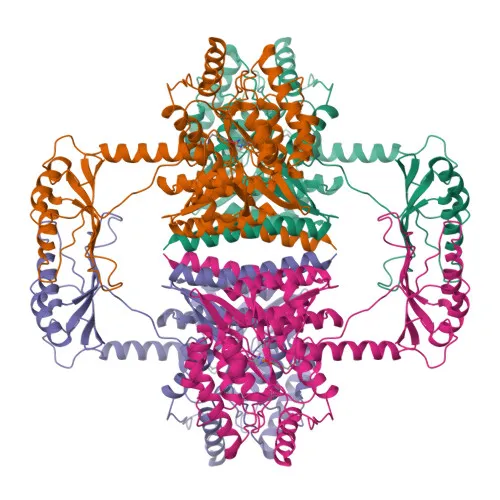
- Tyrosine hydroxylase (TH) is a monooxygenase that catalyzes the conversion of L-tyrosine to L-dihydroxyphenylalanine (L-Dopa), the rate-limiting step in catecholamine biosynthesis (dopamine, noradrenaline, adrenaline), utilizing tetrahydrobiopterin and molecular oxygen as cofactors. Related references: PMID:15287903, PMID:1680128, PMID:17391063, PMID:24753243, PMID:34922205, PMID:8528210
- TH belongs to the aromatic amino acid hydroxylase family and requires iron as a metal cofactor for enzymatic activity.
- Alternative splicing of the TH gene produces multiple isoforms; some of these lack catalytic activity.
- TH is predominantly expressed in the brain and adrenal glands, consistent with its role in neurotransmitter production.
- Subcellularly, TH localizes to the cytoplasm, perinuclear region, nucleus, axon, and synaptic vesicles.
- Key post-translational modifications, especially phosphorylation, regulate TH activity and stability.
- Mutations in TH are associated with neurological disorders, including DYT5b dystonia and Parkinson's disease.
- TH can also hydroxylate phenylalanine and tryptophan with lower specificity.
Experimental Guidance and Technical Tips
- For Western blotting, expect a band between 45-59 kDa; validate detection in your sample system and consider the potential presence of isoforms.
- In immunofluorescence applications, optimize fixation and permeabilization, and confirm staining in TH-positive tissues (e.g., brain, adrenal gland sections).
- The peptide immunogen suggests high epitope specificity; however, confirm cross-reactivity in your species of interest as the antibody is reported to react with human, mouse, and rat.
- For ELISA, pair with an appropriate capture/detection antibody and validate using recombinant TH or tissue lysates.
CamelBio: Your One-Stop Sourcing Bridge
CamelBio streamlines IVD raw material procurement by offering validated monoclonal antibodies like this anti-Tyrosine Hydroxylase antibody, ideal for neuroscience and catecholamine biosynthesis research. Beyond single reagents, we supply optimized antibody pairs, bulk ancillary materials, and rare-target sourcing to accelerate your diagnostic development from concept to clinic.
Product Datasheet
Anti-Tyrosine Hydroxylase Monoclonal Antibody for WB, IF, IHC-P, and ELISA - P07101
REQUEST A QUOTE
Our professional team will reply to you within one business day. Please feel free to contact us!