Polyclonal Antibodies
Anti-Twist Rabbit Polyclonal Antibody for WB, IHC-P, ELISA - Q15672
Item Number : CM0023779
Price varies based on specs and customizations
- Application
- WB, IHC-P, ELISA
- Cross Reactivity
- Human, Mouse, Rat
- Protein Weight
- 21kDa

Shipping:
Contact us to get shipping details Enjoy On-time Dispatch Guarantee.
Why Choose Us
Easy ordering process, quality products, and dedicated support for your business success.
Core Product Specifications and Parameters
| Parameter | Value |
|---|---|
| Product Name | Twist Rabbit pAb |
| Remarks/Alias | CRS; CSO; SCS; ACS3; CRS1; BPES2; BPES3; SWCOS; TWIST; bHLHa38; Twist |
| Species | Human |
| Gene ID (Human) | 7291 |
| Gene ID | 7291 |
| Immunogen | Synthetic peptide corresponding to a sequence within amino acids 51-150 of human Twist (NP_000465.1) |
| Source | Rabbit |
| Category | Polyclonal Antibodies |
| Application | WB, IHC-P, ELISA |
| Cross Reactivity | Human, Mouse, Rat |
| SWISS | Q15672 |
| Protein Weight | 21kDa |
| Shipping | Ice bag |
Biological Background: Twist-related Protein 1 Function and Localization
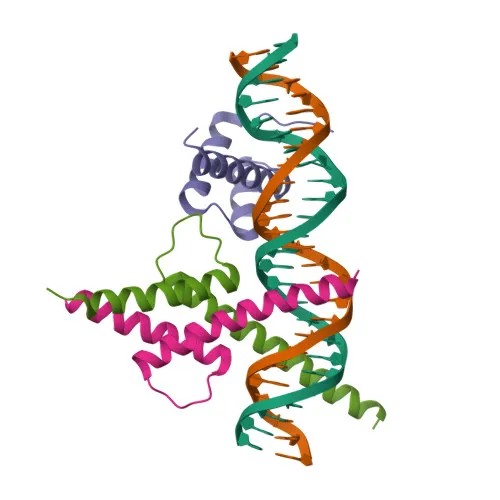
- TWIST1 encodes Twist-related protein 1 (also known as class A basic helix-loop-helix protein 38, bHLHa38, H-twist), a member of the basic helix-loop-helix (bHLH) family of transcription factors.
- Acts as a transcriptional regulator that inhibits myogenesis by sequestering E proteins, inhibiting trans-activation by MEF2, and physically interacting with MYOD1 to inhibit its DNA-binding.
- Represses expression of pro-inflammatory cytokines such as TNFA and IL1B, and regulates cranial suture patterning and fusion.
- Functions as both a transcriptional activator and repressor depending on dimer composition: homodimers induce FGFR2 and POSTN, while heterodimers with E proteins repress FGFR2 and POSTN and induce THBS1; heterodimerization is required for osteoblast differentiation.
- Represses the circadian transcriptional activator NPAS2-BMAL1 heterodimer (By similarity).
- Localizes to the nucleus.
- Expressed in a subset of mesodermal cells during development.
- Associated with craniosynostosis and other developmental disorders; classified under keywords: developmental protein, differentiation, disease variant, myogenesis, transcription regulation.
Experimental Guidance and Technical Tips
- The immunogen is a synthetic peptide mapping to amino acids 51–150 of human Twist; this region is conserved across human, mouse, and rat, supporting predicted cross-reactivity in these species.
- For Western blotting, a band at approximately 21 kDa is expected. Optimize lysis conditions and consider using whole cell lysates from myogenic or craniofacial cell lines.
- For immunohistochemistry (IHC-P), antigen retrieval and antibody titration are recommended. Validate on formalin-fixed, paraffin-embedded tissue sections from developmental or bone-related samples.
- As a polyclonal antibody, performance may vary between lots. It is advisable to perform lot-specific validation in the intended application.
CamelBio: Your One-Stop Sourcing Bridge
CamelBio offers a comprehensive portfolio of IVD raw materials, including this anti-Twist polyclonal antibody for research in transcriptional regulation and developmental disorders. We support diagnostic manufacturers with reliable antibody sourcing, validated reagents, and tailored procurement services to accelerate assay development. Contact us to explore how we can supply the right raw materials for your next project.
REQUEST A QUOTE
Our professional team will reply to you within one business day. Please feel free to contact us!