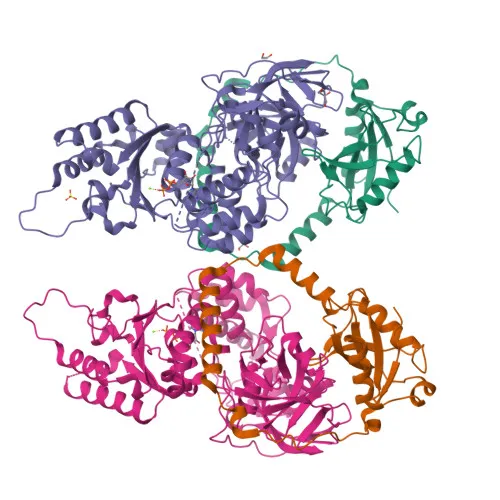
Monoclonal Antibodies
Anti-TUG/ASPSCR1 Rabbit Monoclonal Antibody for WB and ELISA - Q9BZE9
Item Number : CM0003903
Price varies based on specs and customizations
- Application
- WB, ELISA
- Cross Reactivity
- Human, Mouse
- Protein Weight
- 60kDa

Shipping:
Contact us to get shipping details Enjoy On-time Dispatch Guarantee.
Why Choose Us
Easy ordering process, quality products, and dedicated support for your business success.
Core Product Specifications and Parameters
| Parameter | Value |
|---|---|
| Product Name | TUG/ASPSCR1 Rabbit mAb |
| Remarks/Alias | TUG; ASPL; ASPS; RCC17; UBXD9; UBXN9; ASPCR1; TUG/ASPSCR1 |
| Species | Human |
| Gene ID (Human) | 79058 |
| Gene ID | 79058 |
| Immunogen | A synthetic peptide corresponding to a sequence within amino acids 200-300 of human TUG/ASPSCR1 (Q9BZE9). |
| Source | Rabbit |
| Category | Monoclonal Antibodies |
| Application | WB, ELISA |
| Cross Reactivity | Human, Mouse |
| SWISS | Q9BZE9 |
| Protein Weight | 60kDa |
| Shipping | Ice bag |
Biological Background: TUG/ASPSCR1 Function and Localization
- TUG/ASPSCR1 (Tether containing UBX domain for GLUT4) is a tethering protein that sequesters GLUT4 vesicles in the cytoplasm under basal conditions, thereby modulating insulin-stimulated glucose uptake.
- It is also known as alveolar soft part sarcoma chromosomal region candidate gene 1 protein (ASPSCR1), renal papillary cell carcinoma protein 17 (RCC17), and UBX domain-containing protein 9 (UBXD9/UBXN9).
- In addition to GLUT4 regulation, TUG/ASPSCR1 enhances the methylation of valosin-containing protein (VCP) catalyzed by VCPKMT.
- The protein localizes to the endomembrane system, specifically the endoplasmic reticulum-Golgi intermediate compartment (ERGIC) membrane, and is also detected in the cytoplasm and nucleus.
- TUG/ASPSCR1 is ubiquitously expressed, with highest levels in testis, heart, skeletal muscle, and pancreas.
- Post-translational modifications include acetylation and phosphorylation, although specific sites remain to be characterized.
- Chromosomal rearrangements involving the ASPSCR1 gene, such as the ASPSCR1-TFE3 fusion, are associated with alveolar soft part sarcoma and other malignancies, classifying it as a proto-oncogene.
Experimental Guidance and Technical Tips
- The immunogen (amino acids 200-300) targets a conserved central region of human TUG/ASPSCR1; cross-reactivity with mouse is reported, and other species may be predicted based on sequence alignment.
- For Western Blot, consider using lysates from cell lines or tissues with known GLUT4 trafficking activity (e.g., muscle, fat) and validate with positive controls where possible.
- In ELISA, indirect or sandwich formats may be optimized by titrating the antibody and using recombinant or native antigen; inclusion of a negative control (immunogen peptide block) can confirm specificity.
- Since TUG/ASPSCR1 is a cytoplasmic and membrane-associated protein, gentle lysis buffers are recommended to preserve epitope integrity.
CamelBio: Your One-Stop Sourcing Bridge
CamelBio specializes in providing diagnostic manufacturers, research laboratories, and institutes with high-quality IVD raw materials, including validated monoclonal antibodies like this anti-TUG/ASPSCR1 clone for glucose metabolism and cancer biomarker studies. We offer a full range of support, from antibody pairs and bulk ancillary reagents to custom sourcing of rare-target antibodies, helping you streamline assay development from concept to clinical application. Partner with CamelBio to leverage our comprehensive supply chain and technical expertise for your next diagnostic project.
Product Datasheet
Anti-TUG/ASPSCR1 Rabbit Monoclonal Antibody for WB and ELISA - Q9BZE9
REQUEST A QUOTE
Our professional team will reply to you within one business day. Please feel free to contact us!