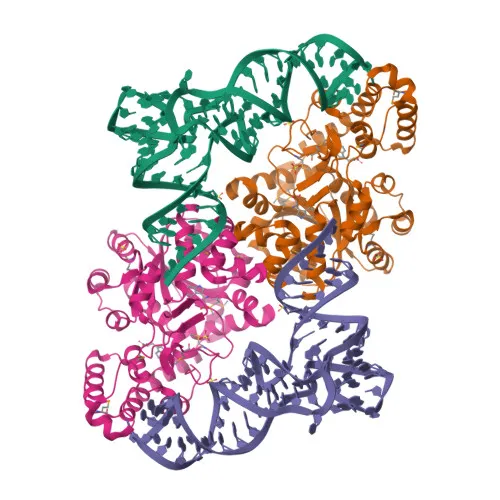
Monoclonal Antibodies
Anti-Tryptophanyl-tRNA synthetase 1 Rabbit Monoclonal Antibody for WB, IHC-P, ELISA - P23381
Item Number : CM0007232
Price varies based on specs and customizations
- Application
- WB, IHC-P, ELISA
- Cross Reactivity
- Human
- Protein Weight
- 53kDa

Shipping:
Contact us to get shipping details Enjoy On-time Dispatch Guarantee.
Why Choose Us
Easy ordering process, quality products, and dedicated support for your business success.
Core Product Specifications and Parameters
| Parameter | Value |
|---|---|
| Product Name | Tryptophanyl-tRNA synthetase 1 Rabbit mAb |
| Remarks/Alias | HMN9; WARS; IFI53; IFP53; GAMMA-2; Tryptophanyl-tRNA synthetase 1 |
| Species | Human |
| GeneID (Human) | 7453 |
| GeneID | 7453 |
| Immunogen | A synthetic peptide corresponding to a sequence within amino acids 372-471 of human Tryptophanyl-tRNA synthetase 1 (P23381) |
| Source | Rabbit |
| Category | Monoclonal Antibodies |
| Application | WB, IHC-P, ELISA |
| Cross Reactivity | Human |
| SWISS | P23381 |
| Protein Weight | 53kDa |
| Shipping | Ice bag |
Biological Background: Tryptophanyl-tRNA synthetase 1 Function and Localization
- Tryptophanyl-tRNA synthetase 1 (WARS1), also known as interferon-induced protein 53 (IFP53) or hWRS, is encoded by the WARS1 gene. Alternative splicing generates multiple isoforms with distinct functional properties.
- The full-length enzyme catalyzes tryptophan activation by ATP to form Trp-AMP and its subsequent transfer to tRNA(Trp), a critical step in cytoplasmic protein biosynthesis.
- Shorter isoforms, such as IFP53, lack aminoacylation activity but exert angiostatic effects by inhibiting fluid shear stress-activated responses in endothelial cells. They regulate ERK, Akt, and eNOS pathways linked to angiogenesis and cytoskeletal reorganization. Related references: PMID:11773625, PMID:11773626, PMID:14630953
- The protein is primarily localized in the cytoplasm and is subject to phosphorylation, which may modulate its activity.
- Interferon gamma induces WARS1 expression, linking it to immune responses and cellular stress pathways.
- Disease-associated keywords include intellectual disability, neurodegeneration, and neuropathy, highlighting potential clinical relevance.
Experimental Guidance and Technical Tips
- For Western blotting, a band near 53 kDa is expected; optimize blocking and antibody dilution using relevant cell or tissue lysates.
- In immunohistochemistry (paraffin-embedded sections), antigen retrieval may be required; validate with appropriate positive and negative controls.
- ELISA applications can leverage the peptide immunogen (aa 372–471) as a capture or detection reagent; cross-reactivity with other family members should be assessed.
- The immunogen’s C-terminal position may allow recognition of both full-length and truncated isoforms; confirm isoform specificity in your experimental system.
CamelBio: Your One-Stop Sourcing Bridge
CamelBio provides a comprehensive portfolio of IVD raw materials, including validated antibody pairs and bulk ancillary reagents, to support diagnostics and life science research. For Tryptophanyl-tRNA synthetase 1, a key enzyme in protein synthesis and angiogenesis, we offer optimized rabbit monoclonal antibodies to accelerate your assay development. Our end-to-end sourcing services cover every stage from concept to clinic, ensuring reliable access to rare and established targets.
Product Datasheet
Anti-Tryptophanyl-tRNA synthetase 1 Rabbit Monoclonal Antibody for WB, IHC-P, ELISA - P23381
REQUEST A QUOTE
Our professional team will reply to you within one business day. Please feel free to contact us!