Polyclonal Antibodies
Anti-TRPV1 Polyclonal Antibody for WB, IF/ICC, ELISA - Q8NER1
Item Number : CM0029966
Price varies based on specs and customizations
- Application
- WB, IF/ICC, ELISA
- Cross Reactivity
- Human, Mouse, Rat
- Protein Weight
- 95kDa

Shipping:
Contact us to get shipping details Enjoy On-time Dispatch Guarantee.
Why Choose Us
Easy ordering process, quality products, and dedicated support for your business success.
Core Product Specifications and Parameters
| Parameter | Value |
|---|---|
| Product Name | TRPV1 Rabbit pAb |
| Remarks/Alias | VR1; TRPV1 |
| Species | Human |
| GeneID | 7442 (Human) |
| Immunogen | Synthetic peptide corresponding to a sequence within amino acids 725-839 of human TRPV1 (NP_061197.4) |
| Source | Rabbit |
| Category | Polyclonal Antibodies |
| Application | WB, IF/ICC, ELISA |
| Cross Reactivity | Human, Mouse, Rat |
| SWISS | Q8NER1 |
| Protein Weight | 95kDa |
| Shipping | Ice bag |
Biological Background: TRPV1 Function and Localization
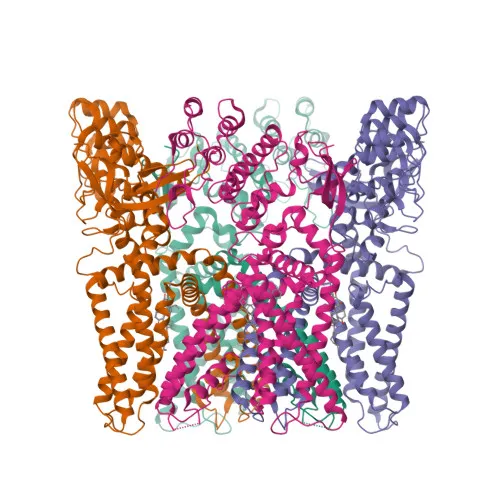
- TRPV1 (Transient receptor potential cation channel subfamily V member 1), also known as capsaicin receptor or VR1, is a non-selective calcium-permeant cation channel belonging to the TRPV family.
- Functions as a molecular sensor for noxious chemical and thermal stimuli, including activation by capsaicin, temperatures above 42°C, and low pH (PubMed:11050376; PubMed:11243859; PubMed:11226139; PubMed:37117175). Related references: PMID:11050376, PMID:11243859, PMID:11226139, PMID:37117175
- Mediates inflammatory pain and hyperalgesia; sensitized via phosphatidylinositol signaling involving PKC isoforms.
- Acts as an ionotropic endocannabinoid receptor, triggering endocannabinoid-mediated long-term depression (TRPV1-LTD) in the hippocampus and nucleus accumbens.
- Localizes to the postsynaptic cell membrane, dendritic spine membrane, and cell membrane, consistent with its role in synaptic modulation.
- Widely expressed at low levels, with elevated expression in dorsal root ganglia; also found in skin sensory nerve fibers, keratinocytes, mast cells, and sweat glands.
- Undergoes post-translational modifications including phosphorylation and glycosylation; contains ANK repeats, an ATP-binding site, and a calmodulin-binding domain.
Experimental Guidance and Technical Tips
- The immunogen corresponds to the C-terminal cytoplasmic domain (aa 725–839); for IF/ICC, permeabilization is likely required to allow antibody access.
- For Western blot, a band around 95 kDa is expected; however, post-translational modifications may cause slight shifts. Validate in a relevant sample (e.g., dorsal root ganglia lysate) to confirm specificity.
- This polyclonal antibody cross-reacts with mouse and rat TRPV1, making it suitable for rodent models of pain and nociception.
- For ELISA, use the immunizing peptide as a positive control to verify antibody reactivity.
CamelBio: Your One-Stop Sourcing Bridge
CamelBio streamlines your diagnostic development with a comprehensive portfolio of IVD raw materials, including validated antibody pairs, optimized monoclonal/polyclonal antibodies, and bulk ancillary reagents. For TRPV1-related research in pain and neurology, we offer reliable sourcing solutions to accelerate your project from concept to clinic.
REQUEST A QUOTE
Our professional team will reply to you within one business day. Please feel free to contact us!