Polyclonal Antibodies
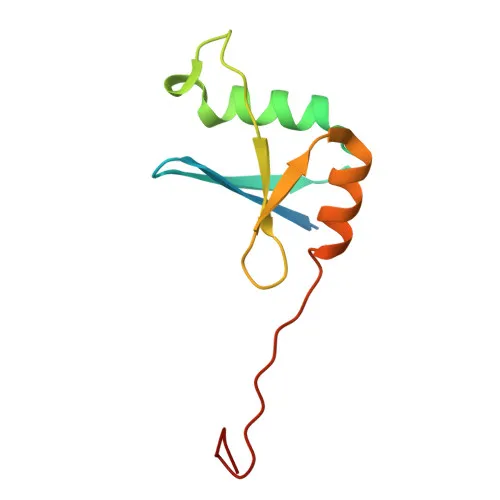
Anti-TRK Fused Gene (TFG) Rabbit Polyclonal Antibody for WB, ELISA - Q92734
Item Number : CM0031070
Price varies based on specs and customizations
- Application
- WB, ELISA
- Cross Reactivity
- Human, Mouse
- Protein Weight
- 43kDa

Shipping:
Contact us to get shipping details Enjoy On-time Dispatch Guarantee.
Why Choose Us
Easy ordering process, quality products, and dedicated support for your business success.
Core Product Specifications and Parameters
| Parameter | Value |
|---|---|
| Product Name | TRK fused gene (TFG) Rabbit pAb |
| Remarks/Alias | TF6; HMSNP; SPG57; TRKT3; TRK fused gene (TFG) |
| Species | Human |
| Gene ID | 10342 |
| Immunogen | Recombinant fusion protein containing a sequence corresponding to amino acids 1-240 of human TRK fused gene (TFG) (NP_006061.2) |
| Source | Rabbit |
| Category | Polyclonal Antibodies |
| Application | WB, ELISA |
| Cross Reactivity | Human, Mouse |
| SWISS | Q92734 |
| Protein Weight | 43kDa |
| Shipping | Ice bag |
Biological Background: TFG Function and Localization
- Protein TFG is a ubiquitously expressed protein localized to the endoplasmic reticulum (ER), where it plays a critical role in ER dynamics and microtubule association (PubMed:23479643, PubMed:27813252). Related references: PMID:23479643 PMID:27813252
- TFG is essential for secretory cargo trafficking from the ER to the Golgi apparatus, ensuring proper protein transport (PubMed:21478858). Related references: PMID:21478858
- The protein is subject to post-translational modifications including acetylation, methylation, and phosphorylation, which may regulate its function and interactions.
- Mutations in TFG are linked to hereditary spastic paraplegia (SPG57), a neurodegenerative disorder, highlighting its critical role in neuronal health.
- As a proto-oncogene, TFG undergoes chromosomal rearrangements that produce oncogenic fusion proteins (e.g., TRK-T3), implicated in certain cancers.
- TFG is predicted to contain coiled-coil domains, which likely mediate protein-protein interactions essential for its cellular functions.
Experimental Guidance and Technical Tips
- The immunogen encompasses the N-terminal region (amino acids 1–240) of TFG, and the antibody may recognize full-length TFG as well as relevant isoforms in Western blotting; a band around 43 kDa is expected.
- For WB analysis, consider using human or mouse cell lysates known to express TFG, and optimize antibody dilution empirically; suitable loading controls should be included.
- In ELISA, this polyclonal antibody can be utilized for direct or indirect detection; validate performance with recombinant TFG protein or biological samples under your specific assay conditions.
- Cross-reactivity with mouse TFG enables its use in murine model studies, but independent validation is recommended for each application.
CamelBio: Your One-Stop Sourcing Bridge
CamelBio offers comprehensive one-stop access to IVD raw materials, technical services, and consulting—from concept to clinic. This anti-TFG polyclonal antibody is part of our portfolio for endoplasmic reticulum and protein trafficking research. We supply validated antibody pairs, optimized mono- and polyclonal antibodies, bulk ancillary reagents, and can assist in sourcing rare-target raw materials to support your diagnostic or research needs.
Product Datasheet
Anti-TRK Fused Gene (TFG) Rabbit Polyclonal Antibody for WB, ELISA - Q92734
REQUEST A QUOTE
Our professional team will reply to you within one business day. Please feel free to contact us!