Polyclonal Antibodies
Anti-TRIM32 Rabbit Polyclonal Antibody for WB, ELISA - Q13049
Item Number : CM0026044
Price varies based on specs and customizations
- Application
- WB, ELISA
- Cross Reactivity
- Human, Mouse, Rat
- Protein Weight
- 72kDa

Shipping:
Contact us to get shipping details Enjoy On-time Dispatch Guarantee.
Why Choose Us
Easy ordering process, quality products, and dedicated support for your business success.
Core Product Specifications and Parameters
| Parameter | Specification |
|---|---|
| Product Name | TRIM32 Rabbit pAb |
| Remarks/Alias | HT2A; BBS11; TATIP; LGMD2H; LGMDR8; TRIM32 |
| Species | Human |
| Gene ID (Human) | 22954 |
| Gene ID | 22954 |
| Immunogen | Recombinant protein: Recombinant fusion protein containing a sequence corresponding to amino acids 1-280 of human TRIM32 (NP_036342.2). |
| Source | Rabbit |
| Category | Polyclonal Antibodies |
| Application | WB, ELISA |
| Cross Reactivity | Human, Mouse, Rat |
| SWISS | Q13049 |
| Protein Weight | 72kDa |
| Shipping | Ice bag |
Biological Background: TRIM32 Function and Localization
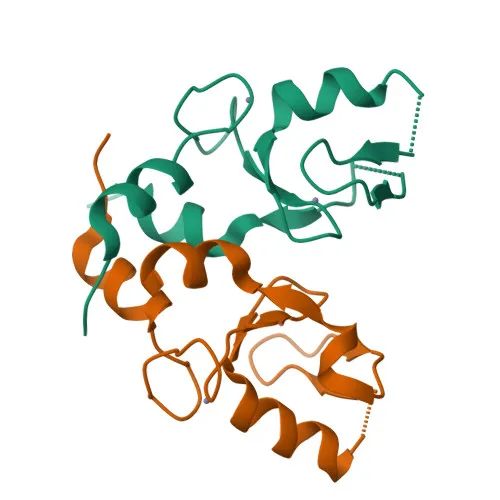
- TRIM32 (Tripartite motif-containing protein 32) is a 72 kDa E3 ubiquitin-protein ligase encoded by the TRIM32 gene, also known as HT2A, BBS11, TATIP, LGMD2H, and LGMDR8. It belongs to the TRIM family characterized by a RING finger, B-box, and coiled-coil domains.
- As an E3 ubiquitin ligase, TRIM32 mediates both 'Lys-48'- and 'Lys-63'-linked polyubiquitination of diverse substrates. For instance, it promotes 'Lys-63'-linked ubiquitination of STING1, facilitating STING1-TBK1 interaction and downstream IFN-β induction. Related references: PMID:22745133
- TRIM32 positively regulates autophagy through multiple mechanisms: it forms unanchored 'Lys-63'-linked polyubiquitin chains that activate ULK1 in complex with AMBRA1, and under metabolic stress, CHK2-phosphorylated TRIM32 ubiquitinates ATG7 at 'Lys-45' to initiate autophagy. Related references: PMID:31123703, PMID:37943659
- In innate immunity, TRIM32 exhibits both positive and negative regulatory functions. It triggers the autophagic degradation of TICAM1 (TRIF) to dampen TLR3/4-mediated inflammatory responses, while in bacterial infection, it promotes autophagy-mediated clearance of Mycobacterium tuberculosis in macrophages. Related references: PMID:28898289, PMID:37543647
- TRIM32 localizes to the cytoplasm, mitochondria, and endoplasmic reticulum, and is expressed in spleen, thymus, prostate, testis, ovary, intestine, colon, and skeletal muscle, consistent with its roles in immune and muscle function.
- Mutations in TRIM32 are associated with human diseases including Bardet-Biedl syndrome (BBS11), limb-girdle muscular dystrophy type 2H (LGMD2H/LGMDR8), and intellectual disability, highlighting its importance in development and tissue homeostasis.
- The protein is subject to post-translational modifications such as acetylation and phosphorylation; CHK2-mediated phosphorylation at serine residues under metabolic stress is critical for its autophagy function. Related references: PMID:37943659
- TRIM32 was originally identified as a Tat-interacting protein and may mediate the biological activity of HIV-1 Tat in vivo, also interacting with HIV-2 and EIAV Tat proteins. Related references: PMID:7778269
Experimental Guidance and Technical Tips
- The immunogen corresponds to the N-terminal 1-280 amino acids of human TRIM32, which encompasses the RING and B-box domains. This region is relatively conserved; therefore, the antibody is expected to cross-react with mouse and rat TRIM32 as indicated. For Western blotting, a major band near 72 kDa is anticipated in lysates from human, mouse, or rat tissues such as skeletal muscle, brain, or spleen. Consider using appropriate positive and negative controls to validate specificity.
- For ELISA applications, the polyclonal nature of this antibody may provide enhanced sensitivity for capture or detection. However, we recommend optimizing coating and detection conditions in your specific assay format, and validating performance with recombinant protein or known positive samples.
- Given TRIM32's involvement in autophagy and immune signaling, treatment of cells with specific stimuli (e.g., metabolic stress, viral infection) may alter expression levels or post-translational modifications, which could affect detection. Consider these variables when designing experiments.
CamelBio: Your One-Stop Sourcing Bridge
CamelBio is your one-stop partner for IVD raw-material sourcing, supporting diagnostic manufacturers, research labs, and clinical developers from concept to clinic. We offer a comprehensive portfolio that includes validated antibody pairs, optimized monoclonal and polyclonal antibodies, bulk ancillary reagents, and customized searches for rare targets. For TRIM32-related projects—spanning immunology, neuroscience, muscular dystrophy, and rare disease diagnostics—our supply chain and technical consulting ensure you have the right materials at every stage.
REQUEST A QUOTE
Our professional team will reply to you within one business day. Please feel free to contact us!