Polyclonal Antibodies
Anti-TRAP1 Rabbit Polyclonal Antibody for WB, IHC-P, IF/ICC - Q12931
Item Number : CM0029452
Price varies based on specs and customizations
- Application
- WB, IHC-P, IF/ICC, ELISA
- Cross Reactivity
- Human, Mouse, Rat
- Protein Weight
- 80kDa

Shipping:
Contact us to get shipping details Enjoy On-time Dispatch Guarantee.
Why Choose Us
Easy ordering process, quality products, and dedicated support for your business success.
Core Product Specifications and Parameters
| Parameter | Value |
|---|---|
| Product Name | TRAP1 Rabbit pAb |
| Remarks/Alias | HSP75; HSP 75; HSP90L; TRAP-1; TRAP1 |
| Species | Human |
| Gene ID (Human) | 10131 |
| Gene ID | 10131 |
| Immunogen | Recombinant protein|Recombinant fusion protein containing a sequence corresponding to amino acids 445-704 of human TRAP1 (NP_057376.2). |
| Source | Rabbit |
| Category | Polyclonal Antibodies |
| Application | WB, IHC-P, IF/ICC, ELISA |
| Cross Reactivity | Human, Mouse, Rat |
| SWISS | Q12931 |
| Protein Weight | 80kDa |
| Shipping | Ice bag |
Biological Background: TRAP1 Function and Localization
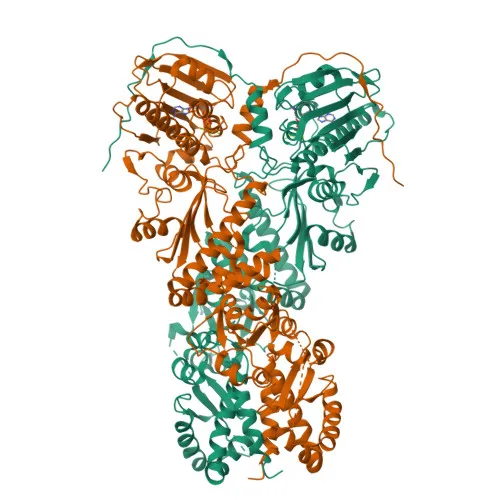
- TRAP1, also known as Heat shock protein 75 kDa, mitochondrial (HSP75), HSPC5, and TNFR-associated protein 1, is a member of the HSP90 family of molecular chaperones.
- It possesses ATPase activity and functions as a chaperone involved in maintaining mitochondrial integrity and polarization, acting downstream of PINK1 and mitochondrial complex I.
- TRAP1 acts as a negative regulator of mitochondrial respiration, modulating the balance between oxidative phosphorylation and aerobic glycolysis, likely through modulation of mitochondrial SRC and inhibition of SDHA.
- The protein is localized primarily to the mitochondrion, with sub-mitochondrial distribution in the inner membrane and matrix.
- TRAP1 is broadly expressed in tissues such as skeletal muscle, liver, heart, brain, kidney, pancreas, lung, placenta, and bladder; its expression is reduced in bladder and renal cell carcinomas but elevated in other tumor types.
- Key post-translational modifications include phosphorylation and acetylation, and the protein undergoes alternative splicing; it is synthesized with a transit peptide for mitochondrial import.
Experimental Guidance and Technical Tips
- The immunogen corresponds to amino acids 445–704 of human TRAP1 (C-terminal region), which may contribute to specific recognition. For Western blotting, an expected band around 80 kDa should be observed; minor additional bands might appear due to post-translational modifications or isoforms.
- For IHC-P and IF/ICC, appropriate antigen retrieval and fixation methods should be optimized for the tissue or cell type. The antibody’s cross-reactivity with mouse and rat suggests utility across common model organisms, but validation in the specific experimental context is recommended.
- When setting up ELISA, consider the polyclonal nature—possible lot-to-lot variation may require titration and careful interpretation.
CamelBio: Your One-Stop Sourcing Bridge
CamelBio is a dedicated B2B partner providing diagnostic manufacturers, laboratories, and research institutions with a comprehensive range of IVD raw materials. This anti-TRAP1 antibody exemplifies our commitment to supplying quality polyclonal antibodies for mitochondrial biology and oncology research. Beyond individual reagents, we offer bulk ancillary reagents, validated antibody pairs, and customized monoclonal/polyclonal antibody sourcing to streamline your diagnostic development pipeline from concept to clinic.
REQUEST A QUOTE
Our professional team will reply to you within one business day. Please feel free to contact us!