Monoclonal Antibodies
Anti-TRAP1 Rabbit Monoclonal Antibody for WB and ELISA - Q12931
Item Number : CM0011147
Price varies based on specs and customizations
- Application
- WB, ELISA
- Cross Reactivity
- Human, Mouse
- Protein Weight
- 80kDa

Shipping:
Contact us to get shipping details Enjoy On-time Dispatch Guarantee.
Why Choose Us
Easy ordering process, quality products, and dedicated support for your business success.
Core Product Specifications and Parameters
| Parameter | Value |
|---|---|
| Product Name | TRAP1 Rabbit mAb |
| Remarks/Alias | HSP75, HSP 75, HSP90L, TRAP-1, TRAP1 |
| Species | Human |
| GeneID | 10131 |
| Immunogen | Recombinant fusion protein containing a sequence corresponding to amino acids 1-100 of human TRAP1 (Q12931) |
| Source | Rabbit |
| Category | Monoclonal Antibodies |
| Application | WB, ELISA |
| Cross Reactivity | Human, Mouse |
| SWISS | Q12931 |
| Protein Weight | 80kDa |
| Shipping | Ice bag |
Biological Background: TRAP1 Function and Localization
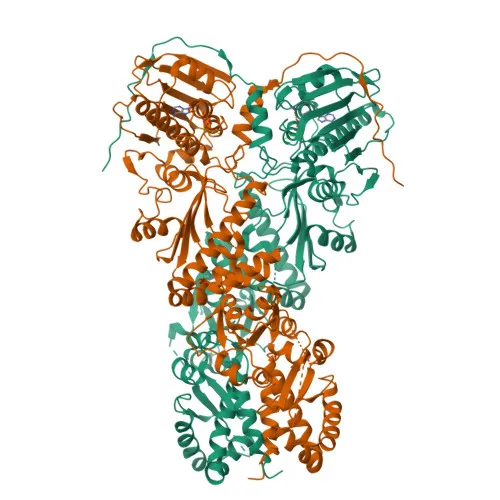
- TRAP1 (TNF receptor-associated protein 1), also known as HSP75 or HSPC5, is a mitochondrial member of the heat shock protein 90 family functioning as an ATP-dependent molecular chaperone.
- It localizes to the mitochondrial inner membrane and matrix, where it helps maintain mitochondrial function and polarization, acting downstream of PINK1 and mitochondrial complex I.
- TRAP1 is a negative regulator of mitochondrial respiration, capable of modulating the balance between oxidative phosphorylation and aerobic glycolysis, likely through modulation of mitochondrial SRC and inhibition of SDHA.
- Expression is detected in various tissues including skeletal muscle, liver, heart, brain, kidney, pancreas, lung, placenta, and bladder; notably, expression is reduced in bladder cancer and renal cell carcinoma while increased in other tumors.
- The protein is subject to acetylation and phosphorylation, and contains an ATP-binding domain essential for its chaperone activity.
Experimental Guidance and Technical Tips
- The immunogen corresponds to the N-terminal region (amino acids 1–100), which may help detect both full-length and potential truncated isoforms.
- For Western blot, consider using mitochondrial-enriched lysates to enhance signal; the predicted molecular weight is ~80 kDa, but migration may vary due to post-translational modifications.
- In ELISA, validate the antibody with recombinant TRAP1 or cell lysates; cross-reactivity with mouse TRAP1 allows for cross-species studies.
- Since TRAP1 is involved in mitochondrial function, consider using appropriate controls (e.g., siTRAP1) to confirm specificity.
- Always optimize antibody concentration for your specific application.
CamelBio: Your One-Stop Sourcing Bridge
CamelBio connects diagnostic manufacturers and research institutes with premium IVD raw materials, including validated monoclonal antibodies like this anti-TRAP1 clone for mitochondrial and oncology research. Beyond single antibodies, we offer matched antibody pairs, bulk reagents, and customized sourcing for rare targets, accelerating your assay development from concept to clinic.
REQUEST A QUOTE
Our professional team will reply to you within one business day. Please feel free to contact us!