Polyclonal Antibodies
Anti-Transferrin Polyclonal Antibody for WB, IF, ELISA - P02787
Item Number : CM0014425
Price varies based on specs and customizations
- Application
- WB, IF/ICC, IF-P, ELISA
- Cross Reactivity
- Human, Mouse, Rat
- Protein Weight
- 77kDa

Shipping:
Contact us to get shipping details Enjoy On-time Dispatch Guarantee.
Why Choose Us
Easy ordering process, quality products, and dedicated support for your business success.
Core Product Specifications and Parameters
| Parameter | Value |
|---|---|
| Product Name | Transferrin Rabbit pAb |
| Remarks/Alias | TFQTL1; PRO1557; PRO2086; HEL-S-71p; Transferrin |
| Species | Human |
| Gene ID (Human) | 7018 |
| Gene ID | 7018 |
| Immunogen | Recombinant fusion protein containing a sequence corresponding to amino acids 355-698 of human Transferrin (NP_001054.2). |
| Source | Rabbit |
| Category | Polyclonal Antibodies |
| Application | WB, IF/ICC, IF-P, ELISA |
| Cross Reactivity | Human, Mouse, Rat |
| SWISS | P02787 |
| Protein Weight | 77kDa |
| Shipping | Ice bag |
Biological Background: Transferrin Function and Localization
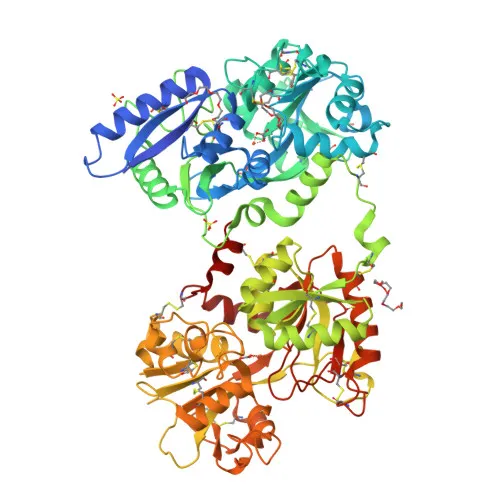
- Transferrin, also known as Serotransferrin, Beta-1 metal-binding globulin, or Siderophilin, is a 77 kDa glycoprotein encoded by the TF gene in humans.
- It serves as the primary iron transport protein, capable of binding two Fe³⁺ ions in association with an anion, typically bicarbonate, facilitating iron delivery from absorption and heme degradation sites to storage and utilization sites.
- Serum transferrin may also stimulate cell proliferation.
- During microbial infections, transferrin acts as an iron source for pathogens such as Neisseria species and Trypanosoma brucei, which capture the protein via specific receptors to extract iron.
- Transferrin is secreted and predominantly expressed by the liver, circulating in plasma.
- Post-translational modifications include glycosylation, phosphorylation, methylation, and disulfide bond formation, which are critical for its structure and function.
Experimental Guidance and Technical Tips
- The immunogen corresponds to a large C-terminal region (amino acids 355-698), so this polyclonal antibody may recognize multiple epitopes, providing robust detection across applications.
- For Western blot, the predicted molecular weight is 77 kDa; however, due to glycosylation, the observed band may migrate higher (e.g., 80–90 kDa). Validate in the relevant sample system.
- Consider using liver-derived cell lines (e.g., HepG2) or liver tissue sections as positive controls for immunofluorescence applications.
- Antibody specificity can be confirmed by blocking with the recombinant immunogen or using transferrin-depleted samples.
CamelBio: Your One-Stop Sourcing Bridge
CamelBio is a dedicated one-stop sourcing partner for IVD raw materials, supporting diagnostic manufacturers and research laboratories from concept to clinic. For transferrin-related studies, we can supply validated antibody pairs, optimized polyclonal and monoclonal antibodies, bulk ancillary reagents, and assist in sourcing rare-target raw materials to accelerate your assay development.
REQUEST A QUOTE
Our professional team will reply to you within one business day. Please feel free to contact us!