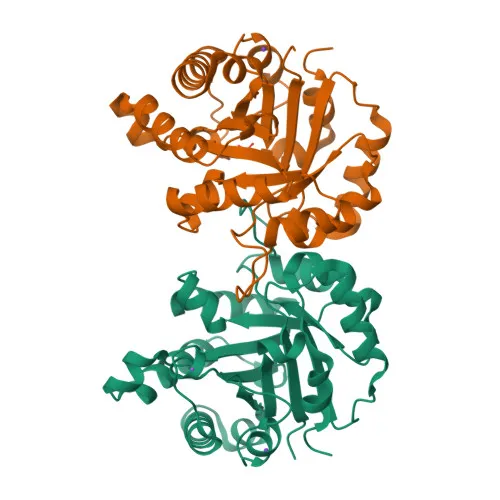
Polyclonal Antibodies
Anti-TPI1 Polyclonal Antibody for WB, IF-P, ELISA - P60174
Item Number : CM0024609
Price varies based on specs and customizations
- Application
- WB, IF-P, ELISA
- Cross Reactivity
- Human, Mouse, Rat
- Protein Weight
- 27kDa

Shipping:
Contact us to get shipping details Enjoy On-time Dispatch Guarantee.
Why Choose Us
Easy ordering process, quality products, and dedicated support for your business success.
Core Product Specifications and Parameters
| Parameter | Value |
|---|---|
| Product Name | TPI1 Rabbit pAb |
| Remarks/Alias | TIM; TPI; TPID; HEL-S-49; TPI1 |
| Species | Human |
| GeneID (Human) | 7167 |
| GeneID | 7167 |
| Immunogen | Recombinant fusion protein containing a sequence corresponding to amino acids 1-249 of human TPI1 (NP_000356.1) |
| Source | Rabbit |
| Category | Polyclonal Antibodies |
| Application | WB, IF-P, ELISA |
| Cross Reactivity | Human, Mouse, Rat |
| SWISS | P60174 |
| Protein Weight | 27kDa |
| Shipping | Ice bag |
Biological Background: TPI1 Function and Localization
- Triosephosphate isomerase (TPI1) is an extremely efficient metabolic enzyme that catalyzes the reversible isomerization of dihydroxyacetone phosphate (DHAP) and D-glyceraldehyde-3-phosphate (G3P), a critical step in glycolysis and gluconeogenesis.
- TPI1 also generates methylglyoxal, a reactive cytotoxic side-product that can modify proteins, DNA, and lipids.
- The enzyme is primarily localized in the cytoplasm.
- TPI1 undergoes multiple post-translational modifications, including acetylation, phosphorylation, nitration, methylation, and ubiquitination, which may regulate its activity and stability.
- Mutations in the TPI1 gene are associated with hereditary hemolytic anemia, underscoring its importance in red blood cell metabolism.
- Alternative splicing and alternative promoter usage produce different isoforms of TPI1, though the functional significance of these variants is still under investigation.
- The protein has a molecular weight of approximately 27 kDa and is highly conserved across species.
Experimental Guidance and Technical Tips
- For Western blotting, consider using a 10–12% SDS-PAGE gel to resolve the ~27 kDa target band effectively. Validate antibody specificity by including positive and negative cell lysates or recombinant protein controls.
- In immunofluorescence (IF-P), optimize fixation and permeabilization conditions, as TPI1 is a cytoplasmic protein; methanol fixation may improve detection.
- For ELISA, ensure the coating antigen matches the immunogen region (amino acids 1-249). Titrate the antibody to determine the optimal working dilution for your assay format.
- Cross-reactivity with mouse and rat has been reported; verify performance in your specific model system, as reactivity can vary between applications.
CamelBio: Your One-Stop Sourcing Bridge
CamelBio provides diagnostic manufacturers, laboratories, and research institutes with streamlined access to high-quality IVD raw materials, technical services, and consulting—from concept to clinic. This antibody supports research into glycolytic metabolism, enzymopathies, and biomarker development. Our supply capabilities include validated antibody pairs, optimized polyclonal and monoclonal antibodies, bulk ancillary reagents, and customized sourcing for rare or specialized targets to accelerate your assay development workflow.
REQUEST A QUOTE
Our professional team will reply to you within one business day. Please feel free to contact us!